
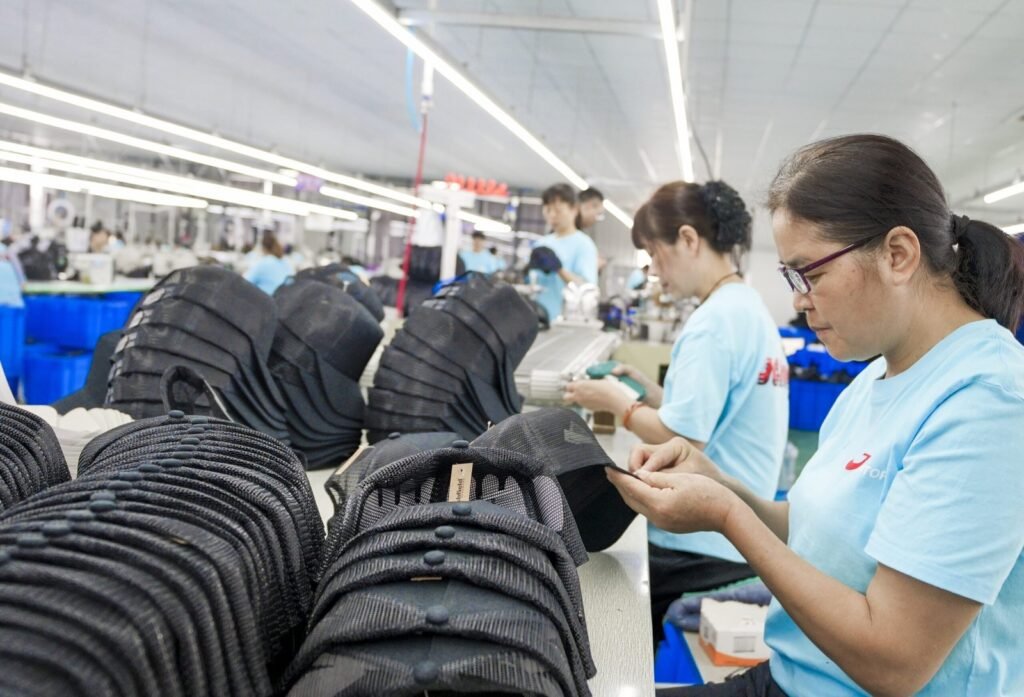
For a startup brand, the safest way to develop custom hats is to reduce the number of decisions that can fail at the same time. Start with one clearly defined five-panel or six-panel Performance Cap, freeze the fabric and fit in a written specification, approve a physical sample against measurable checkpoints, and use the same approved reference for bulk inspection and reorders. This approach protects cash, keeps the first collection focused, and gives a factory enough information to make the product consistently.
Low-risk rule for a first custom hat order: launch one core cap platform, one primary use case, one controlled logo method, and a documented approval sample. A practical first run can start at JoinTop’s 100-piece MOQ, but the order should not be released until the crown shape, visor, sweatband, closure, fabric behavior, logo placement, packaging, and defect definitions are written down.
The guide below is written for startup founders, private-label teams, importers, and buyers who need a commercially credible cap without paying for unnecessary development. The examples focus on a normal five-panel or six-panel Performance Cap because it can serve running, golf, outdoor, and everyday active programs while still leaving room for a distinctive brand identity. For a broader technical overview, see JoinTop’s custom Performance Hats guide.
1. Define the first sellable hat before asking for a quote
A vague request such as “a premium lightweight cap” creates an expensive guessing game. A factory may quote a price, but the quote will not tell you whether the crown is too shallow, the visor is too soft, or the sweatband will feel damp after an hour of wear. Write a one-page product brief before comparing suppliers. It should state the wearer, use case, cap structure, target retail position, quantity, decoration, color range, and shipping market.
Choose the cap platform around the use case
| Decision | Five-panel Performance Cap | Six-panel Performance Cap | Startup implication |
|---|---|---|---|
| Front construction | Broad, clean front panel with fewer center seams | Traditional center seam and two front panels | Five-panel gives a strong front canvas for a simple wordmark; six-panel can feel more familiar to baseball-cap buyers. |
| Fit direction | Often reads more technical or contemporary | Easy to tune toward classic, golf, or outdoor profiles | Pick the silhouette your target customer already understands instead of adding a second platform too early. |
| Ventilation | Perforation can be concentrated on side or rear panels | Perforation can follow multiple panel seams and zones | Ask for a ventilation map. Hole size, spacing, and placement must suit the fabric and the intended look. |
| Branding | Front embroidery, patch, or transfer can read clearly | Front, side, or rear decoration can support a more traditional system | Keep the first logo system repeatable across colors and future reorders. |
Do not treat five-panel and six-panel as interchangeable blanks. Their seam positions change the usable logo area, crown tension, and how a curved visor sits on the head. Ask the supplier to show the technical drawing or a measured sample from the chosen platform. If a design file shows a logo crossing a seam, move it before sampling or accept that the artwork may need to be reduced.
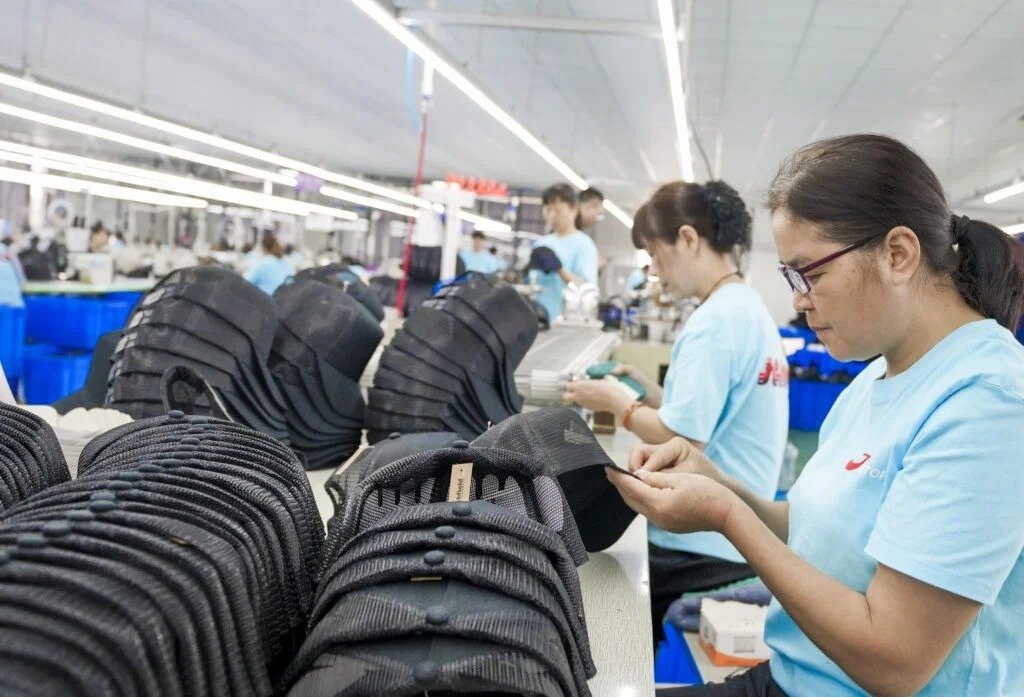
Freeze the customer problem, not a list of fashionable features
Write the job the cap must perform: keep a runner comfortable during a warm training session, stay stable during a golf swing, or provide a light everyday layer for an outdoor label. Then rank the requirements. For example, a running cap may put low weight, sweat management, ventilation, and a secure closure ahead of a structured front. A golf cap may prioritize a stable visor, clean front presentation, and a sweatband that does not collapse. This ranking helps the factory resolve trade-offs instead of treating every request as equally important.
2. Build a performance specification that can be checked
“Moisture-wicking,” “quick-dry,” “breathable,” and “sun protective” are product claims, not automatic properties of a fiber name. Polyester and nylon can both be used in performance headwear, but the finished result also depends on knit or woven construction, weight, finish, lining, sweatband, perforation, and how the panels are assembled. A startup should request a fabric swatch and a finished cap sample, then record what was actually approved.
| Specification area | Write in the brief | Evidence to approve | Risk if left vague |
|---|---|---|---|
| Shell fabric | Fiber, construction, hand feel, color reference, and whether stretch is required | Swatch under normal light plus the sewn sample | Two colors or two reorders may use different-looking fabric while carrying the same name. |
| Ventilation | Panel location, perforation pattern, visual scale, and whether a lining is needed | Close-up photographs and an on-head check | Oversized or uneven holes can change the appearance and weaken a panel. |
| Sweatband | Width, softness, color, seam position, and contact with the forehead | Wear test after movement, not only a flat inspection | A good shell can still feel cheap if the band rolls, scratches, or stays wet. |
| Performance claim | The claim language your brand can support and the test or supplier evidence required | Documented test result or an agreed internal check | Marketing may promise a result that the actual cap was never evaluated for. |
| Visor and closure | Visor curve, stiffness, length, closure type, and adjustment range | Front, side, and rear photographs plus fit on more than one wearer | The cap may look correct on a table but sit poorly on different head shapes. |
When a brand wants a water-resistant or UV-related claim, define the claim precisely and confirm the evidence before printing packaging. Do not turn a fabric description into a certification promise. If no formal test is planned, use careful product language and keep the technical record honest. The polyester versus nylon material guide can help your team compare fabric decisions without treating a fiber name as a performance guarantee.
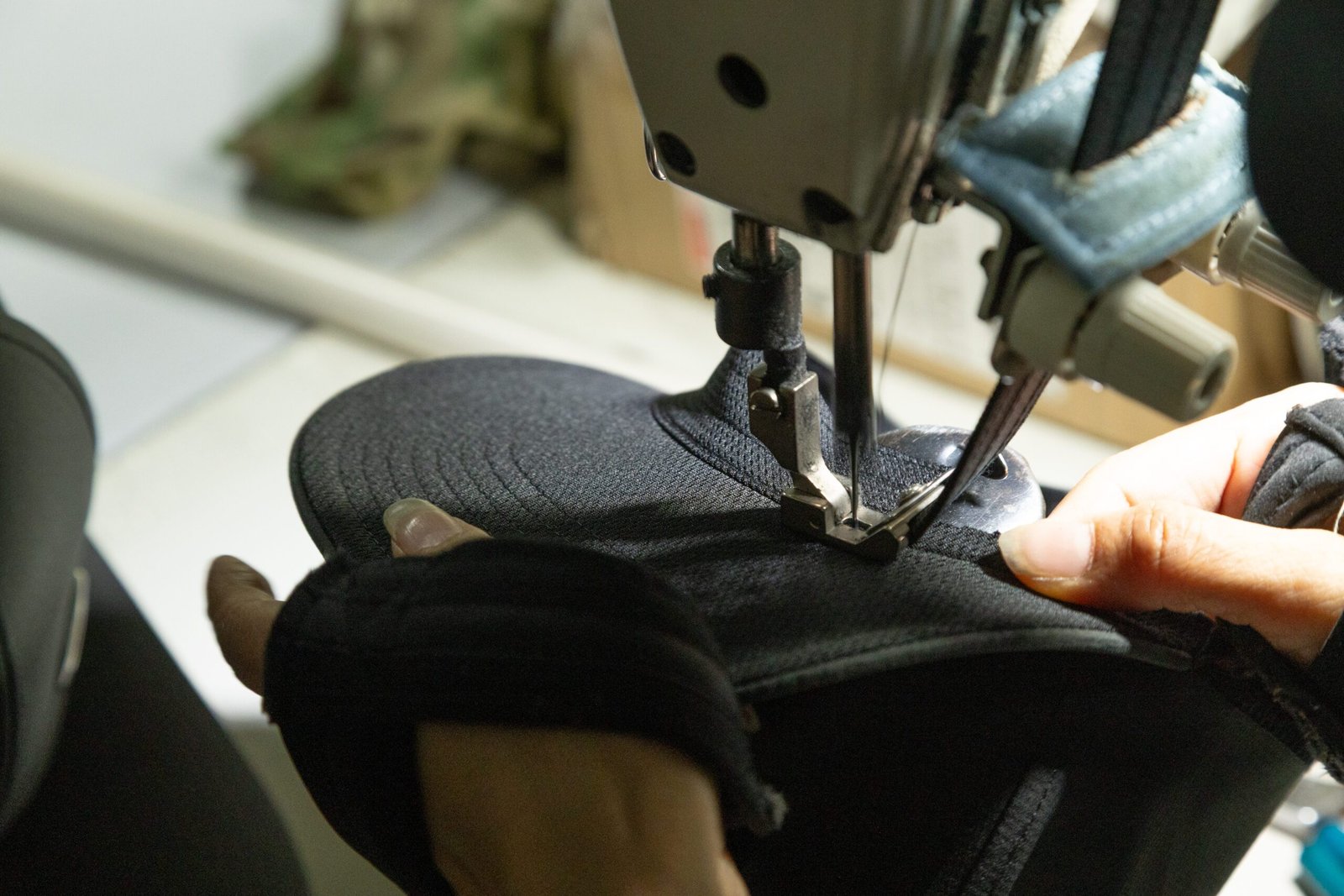
3. Control the logo system so the first order stays flexible
Branding is often where a startup spends too much too soon. The right decoration depends on the logo’s line width, size, color count, location, fabric surface, and intended price point. Ask for a sew-out or physical decoration sample rather than approving only a digital mock-up. A screen cannot show how dense embroidery pulls a lightweight panel or how a patch edge behaves after wear.
| Logo method | Best starting use | Approval check | Common startup mistake |
|---|---|---|---|
| Flat embroidery | Simple wordmarks and compact symbols on a stable front panel | Check stitch density, edge clarity, puckering, and thread color in daylight | Using tiny lettering that closes up when stitched. |
| 3D puff embroidery | Short, bold marks where height is part of the identity | Check corners, small counters, crown curvature, and compression under handling | Applying it to fine detail that cannot hold cleanly at production scale. |
| Woven or TPU patch | Illustrated marks, labels, and designs that need a defined edge | Check border alignment, attachment, surface feel, and wash or rub resistance appropriate to the product | Choosing a patch larger than the usable panel or ignoring added weight. |
For the first run, use one primary logo placement and one repeatable secondary mark. A side mark or rear hit can be added only when it has a clear merchandising purpose. Keep the approved artwork, thread or trim references, placement measurements, and decoration sample together in the product file. That record is more valuable than a verbal instruction when a second colorway or reorder is placed.
4. Use staged sample approval instead of one expensive leap
A low-risk development process has gates. Each gate answers a different question, so do not ask a factory to solve fit, fabric, decoration, and packaging in one undocumented round.
- Brief gate: confirm the target wearer, five-panel or six-panel platform, size range, fabric direction, logo files, quantity, and delivery market.
- Construction gate: review the technical drawing, panel shape, visor curve, closure, sweatband, ventilation map, and any seam or reinforcement detail.
- Physical sample gate: measure the crown, visor, opening, and logo placement. Photograph front, side, rear, underside, and interior views.
- Wear gate: have more than one person test the fit during the intended activity. Record pressure points, movement, sweatband feel, visibility, and adjustment range.
- Pre-production gate: approve the final material, color, decoration, labels, packaging, and any changes made after wear testing. Mark this sample as the bulk reference.
Use version numbers on every comment: “Sample 02, five-panel, navy, 3D logo, 2026-10-30.” A note such as “make it deeper” is hard to audit. “Increase center-front crown depth by 4 mm and keep the rear opening unchanged” gives the factory a controllable instruction. If a change affects the visor, logo area, or sweatband, request a new physical confirmation instead of assuming the adjustment is isolated. Treat the calendar as a sequence of approval gates, as explained in JoinTop’s custom hat production timeline.
5. Keep quantity and color decisions tied to cash exposure
MOQ is only one part of the first-order risk. A startup can meet a 100-piece minimum and still overbuy if it splits the order across too many colors, logos, and closures. Start with the smallest assortment that proves the product. One core color plus one controlled accent is easier to inspect, photograph, merchandise, and reorder than six colors with thin quantities in each.
Before confirming the order, build a simple allocation sheet with four rows: color, size or adjustment option, quantity, and intended sales channel. Add the packaging unit, carton requirement, shipping term, and destination. Request the supplier’s written quote against that exact allocation. If the quote changes after a logo, fabric, or packaging revision, record the reason and approve the new version. This prevents a low headline price from hiding a later surcharge.
6. Turn the approved sample into a bulk QC checklist
Bulk inspection should compare production to the approved sample, not to a vague idea of “good quality.” Agree on the inspection timing, sampling method, acceptable defect definitions, and who can release the goods. A buyer may use an AQL plan or an internal sampling plan, but the numerical level must be selected for the product and risk. The important point is that the rule is written before shipment. For a fuller defect and inspection framework, use the custom hat quality control guide alongside your own product-specific checklist.

- Structure: compare crown height, panel alignment, seam tension, visor curve, closure attachment, and symmetry with the approved reference.
- Material: check color, surface, hand feel, perforation consistency, stains, snags, and any unwanted shade change between lots.
- Logo: verify artwork, position, scale, thread or patch color, edge quality, and attachment. Separate critical logo errors from minor cosmetic variation.
- Fit: measure a defined sample from each color or production lot. Confirm the opening, adjustment range, and sweatband construction.
- Finishing: inspect loose threads, skipped stitches, puckering, glue marks, bent visors, label placement, and cleanliness.
- Packing: count units, confirm size or color marks, protect visors from crushing, and compare carton labels with the packing list.
Take date-stamped photos of the reference sample and the inspection sample. If a defect is found, record the quantity affected, location, severity, and required action. Do not rely on a single “looks fine” message when the brand’s first shipment will establish customer reviews and reorder confidence.
7. Compare suppliers by evidence, not by the lowest quote
| What to compare | Evidence a reliable supplier can provide | Warning sign |
|---|---|---|
| Development control | A clear brief, versioned sample comments, and a named approval point | The supplier quotes from a screenshot without confirming construction details. |
| Performance materials | Swatches, finished samples, and a careful explanation of what is tested | Unqualified claims about quick-dry, UPF, waterproofing, or certification. |
| Logo execution | Physical sew-outs, patch samples, or close-up production references | A digital mock-up is treated as final approval. |
| Bulk quality | Inspection criteria, defect photos, sampling method, and packing records | “We check everything” with no written acceptance standard. |
| Reorder continuity | Saved fabric, color, artwork, measurement, and packaging records | The second order starts from memory or a new blank sample. |
JoinTop can review a startup’s brief around Performance Cap construction, fabric direction, logo method, sample checkpoints, MOQ, and bulk inspection. Send the intended use, quantity, logo artwork, preferred five-panel or six-panel structure, target market, and any claim that must be supported through the JoinTop contact form. The more specific the starting brief, the faster a supplier can identify a workable product and the fewer changes are pushed into the expensive late stages.
8. A practical first-order release checklist
- One primary use case and a named target wearer are documented.
- Five-panel or six-panel structure, measurements, visor, closure, and sweatband are approved.
- Fabric swatch and finished cap sample are matched to the written specification.
- Logo artwork, method, placement, size, and physical decoration sample are approved.
- Performance or protection claims have evidence or carefully limited wording.
- Quantity, color allocation, MOQ, packaging, shipping term, and destination are written in the quote.
- Bulk inspection rules and defect definitions are agreed before production.
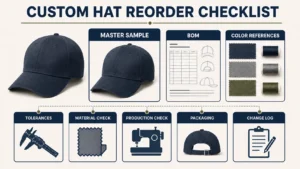
- The approved sample, photos, measurements, and artwork are stored as the reorder reference.
If one of these items is still unknown, pause that decision before releasing bulk production. A short delay to clarify a crown measurement or logo method is usually cheaper than explaining an avoidable mismatch to customers after launch. For a startup brand, a focused first Performance Cap that arrives consistent, photographs well, and can be reordered from the same record is a stronger foundation than a large collection built on untested assumptions.



 English
 German
 Spanish
 French
 Amharic
 Portuguese
 Italian
 Swedish
 Turkish
 Belarusian
 Danish