Custom baseball hats are widely used by fashion brands, sports teams, outdoor companies, corporate merchandise programs, retailers, and promotional product buyers. They are practical, easy to wear, and highly visible, which makes them a strong product choice for both brand building and commercial sales.
However, making a high-quality custom baseball hat is not just about placing a logo on the front panel. The final result depends on the hat structure, fabric, color matching, decoration method, MOQ, sampling process, production timeline, and quality control.
This guide explains the key decisions you should understand before starting a custom baseball hat order.
1. Start with the Right Hat Structure
The first decision is whether your hat should be structured or unstructured. This choice affects the crown shape, logo application, fit, and production difficulty.
| Structure Type | Description | Best For | Production Notes |
|---|---|---|---|
| Structured hat | Has stiff backing inside the front crown panels | Snapbacks, fitted caps, performance caps, retail caps | Better for 3D embroidery, bold logos, and strong front shape |
| Unstructured hat | Soft crown without stiff backing | Dad hats, washed caps, casual caps, lifestyle merchandise | More relaxed and comfortable, but embroidery needs careful control |
Structured hats keep their shape when they are not being worn. They are often used for sportswear, streetwear, retail collections, and promotional caps that need a stronger front profile.
Unstructured hats have a softer and more casual look. They are popular for lifestyle brands, low-profile caps, washed cotton hats, and simple embroidered designs.
2. Common Custom Baseball Hat Styles
Different hat styles serve different markets. Choosing the right style helps define your product positioning, target price, and production requirements.
Snapback Hats
Snapback hats usually have a structured crown, flat or slightly curved brim, and adjustable plastic snap closure. They are popular for streetwear, sports merchandise, fashion brands, and promotional products.
Snapbacks are a good choice when you want strong logo visibility and a more structured retail look. They work well with flat embroidery, 3D puff embroidery, woven patches, PVC patches, and leather patches.
Dad Hats
Dad hats usually feature an unstructured crown, curved brim, and adjustable back closure. They are soft, comfortable, and suitable for everyday casual wear.
This style is a strong option for lifestyle brands, minimalist logos, corporate gifts, and relaxed merchandise programs. Flat embroidery is one of the most common decoration methods for dad hats.
Fitted Caps
Fitted caps have no adjustable closure and are produced in specific sizes. They usually have a structured crown and a professional sportswear appearance.
Because fitted caps require multiple sizes, the MOQ and inventory planning are usually more complex than adjustable hats. They are best suited for premium retail, team merchandise, and sports-style collections.
Trucker Hats
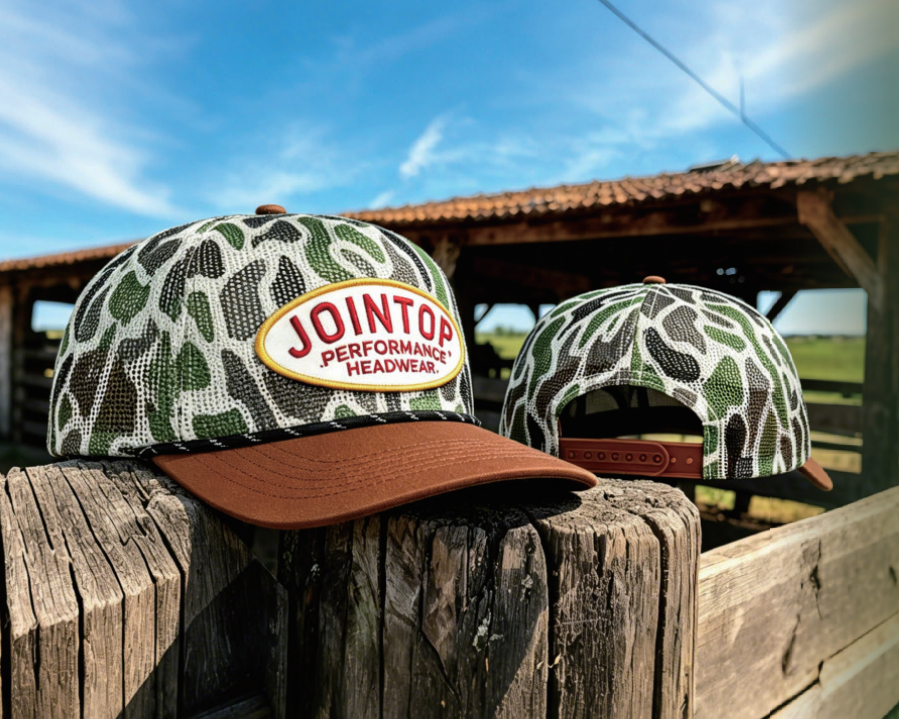
Trucker hats usually combine a foam or fabric front with mesh back panels. They are lightweight, breathable, and cost-effective for bulk orders.
They are commonly used for outdoor brands, workwear, promotional events, farm and trucker-style merchandise, and casual retail collections.
5-Panel Hats
5-panel hats have a distinctive panel construction and are often used for camp caps, outdoor caps, and streetwear designs.
This style works well with woven labels, small embroidery, patches, and minimalist logo applications. It is a good option for brands that want a more unique shape than a standard 6-panel cap.
Tappi per le prestazioni
Performance caps are designed for sports, golf, running, fitness, and outdoor use. They often use polyester, nylon, recycled polyester, or other technical fabrics.
These hats may include moisture-wicking fabric, lightweight construction, breathable panels, quick-dry features, or stretch-fit closures.
3. Hat Style Comparison
| Hat Style | Crown Type | Brim Type | Chiusura | Best Use | MOQ Level |
|---|---|---|---|---|---|
| Snapback hat | Structured | Flat or curved | Plastic snap | Streetwear, sports, brand merchandise | Medium |
| Dad hat | Unstructured | Curved | Buckle, fabric strap, or Velcro | Casual wear, lifestyle brands | Low to medium |
| Fitted cap | Structured | Flat or curved | No closure | Sportswear, premium retail | High |
| Trucker hat | Structured or foam front | Flat or curved | Snapback | Outdoor, workwear, promotions | Low to medium |
| 5-panel hat | Soft or semi-structured | Flat or curved | Adjustable | Streetwear, outdoor, camp caps | Medium |
| Performance cap | Structured or lightweight | Curved | Adjustable or stretch fit | Golf, running, fitness, outdoor | Medium to high |
4. How to Choose the Right Hat Style
If you are launching a casual lifestyle product, a dad hat is usually a safe and flexible choice. It is comfortable, easy to wear, and suitable for simple logo embroidery.
If you want a stronger streetwear look, a snapback or 5-panel hat may be more suitable. These styles offer better visual impact and can support bolder logo decoration.
For sports-style or premium retail products, fitted caps can create a more professional appearance. However, they require careful size planning because each size needs its own quantity allocation.
For outdoor, workwear, or promotional programs, trucker hats are often practical and cost-effective. Mesh back panels improve breathability, while the front panel provides enough space for logos or patches.
For golf, running, or fitness products, performance caps are usually the best choice. They provide better comfort during activity and can support moisture-wicking or quick-dry functions.
5. Select the Right Fabric
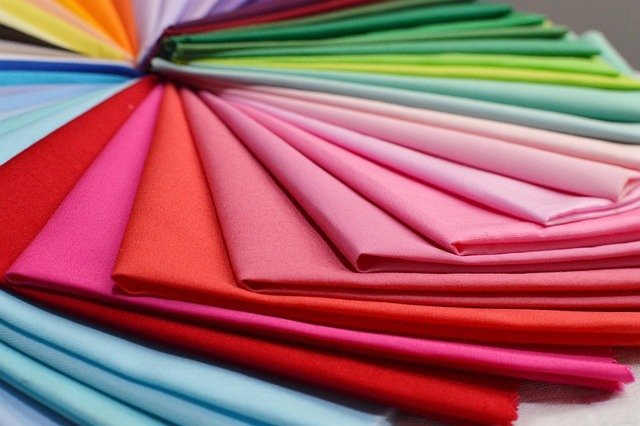
Fabric determines how the hat feels, performs, and holds its shape. It also affects decoration quality, color consistency, durability, and final price.
| Fabric | Main Features | Best For | Production Notes |
|---|---|---|---|
| Cotton twill | Soft, breathable, classic | Dad hats, casual caps, promotional caps | Easy to embroider and suitable for washed effects |
| Poliestere | Lightweight, durable, colorfast | Golf hats, running caps, performance caps | Good for moisture-wicking and technical designs |
| Nylon ripstop | Lightweight, strong, packable | Outdoor caps, travel caps, technical caps | Requires experienced sewing control |
| Corduroy | Textured, vintage, premium | Fashion caps, lifestyle collections | Embroidery should be tested before bulk production |
| Recycled polyester | Sustainable and performance-oriented | Eco collections, corporate merchandise | Certification may be required for sustainability claims |
Cotton Twill
Cotton twill is one of the most common fabrics for custom baseball hats. It is comfortable, breathable, and easy to embroider.
It is suitable for dad hats, casual caps, promotional caps, washed caps, and everyday brand merchandise. Common fabric weight ranges from 6 oz to 8 oz. Lighter cotton twill feels softer, while heavier cotton twill gives the hat more structure.
Poliestere
Polyester is often used for performance hats and sports caps. It is lightweight, durable, colorfast, and resistant to shrinking.
This fabric is suitable for golf hats, running caps, outdoor caps, and moisture-wicking headwear. If the color needs to be custom dyed, lab dip approval is recommended before bulk production.
Nylon Ripstop
Nylon ripstop is commonly used for outdoor and technical caps. It is lightweight, strong, and packable.
This fabric is a good option for travel caps, hiking caps, outdoor merchandise, and functional headwear. Since nylon can be slippery during sewing, the factory should have experience handling this type of material.
Corduroy
Corduroy gives hats a textured, vintage, and premium look. It is often used for fashion caps, lifestyle collections, and seasonal products.
When using embroidery on corduroy, a physical test is important. The fabric texture can affect stitch clarity, especially for detailed logos or 3D puff embroidery.
Recycled Polyester
Recycled polyester, also called rPET, is made from recycled plastic materials. It is often used by brands that want to highlight sustainability.
It can be used for eco-focused collections, corporate merchandise, performance caps, and outdoor products. If sustainability claims are used on hang tags or product pages, proper certification should be confirmed.
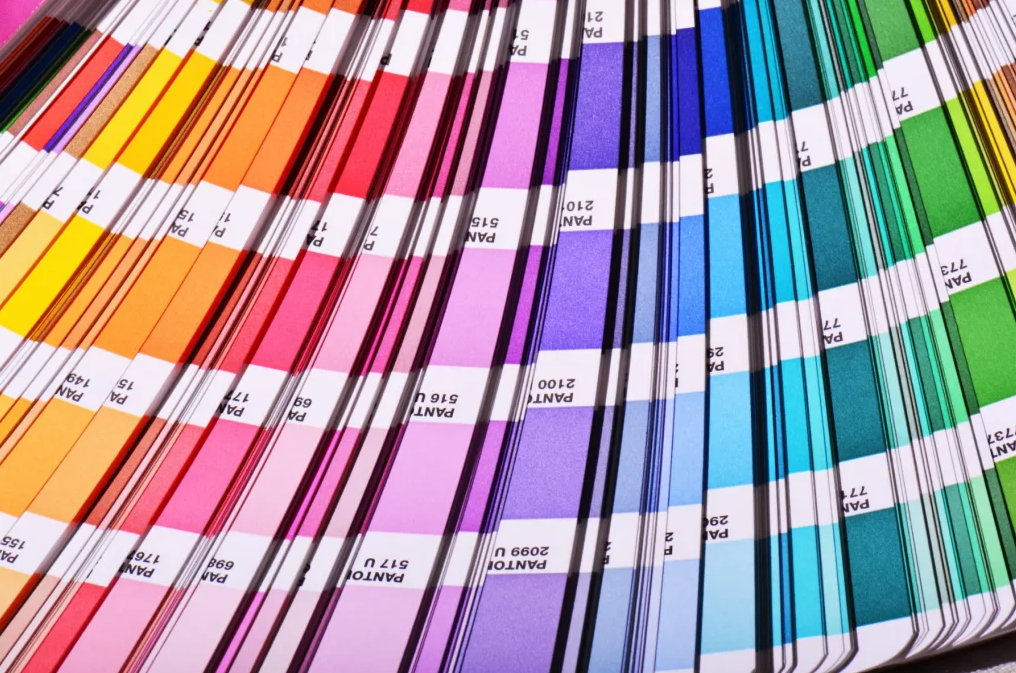
6. Confirm Colors with Pantone Codes
Color accuracy is important for brand consistency. Avoid using general color descriptions such as “navy,” “dark green,” “beige,” or “red,” because these terms can be interpreted differently by different suppliers.
For better color control, provide Pantone TCX codes whenever possible.
A lab dip is recommended for custom-dyed fabric. A lab dip is a small fabric sample dyed to match the requested Pantone color. You should approve the lab dip before bulk fabric production begins.
Color Approval Process
Color Approval Process
| Action | Purpose |
|---|---|
| Provide Pantone TCX color codes | Defines the target color clearly |
| Request lab dips if custom dyeing is required | Confirms color before bulk fabric production |
| Review samples under different lighting | Checks how the color appears in real conditions |
| Approve one final color sample | Gives the factory a clear production standard |
| Keep the approved sample for comparison | Helps inspect bulk production accurately |
A small color approval step can prevent major production problems. Once bulk fabric is dyed, correcting color mistakes becomes expensive and time-consuming.
7. Choose the Right Logo Decoration Method
The logo is one of the most visible parts of a custom baseball hat. The right decoration method depends on the logo design, fabric, hat structure, target price, and brand positioning.
Flat Embroidery
Flat embroidery is the most widely used decoration method for custom hats. The thread is stitched directly onto the fabric.
It is suitable for text logos, small icons, simple graphics, corporate merchandise, and classic baseball caps. It works on most hat styles and provides a clean, durable result.
However, very dense embroidery can make the front panel stiff or cause distortion. For detailed designs, a stitch test is recommended.
3D Puff Embroidery
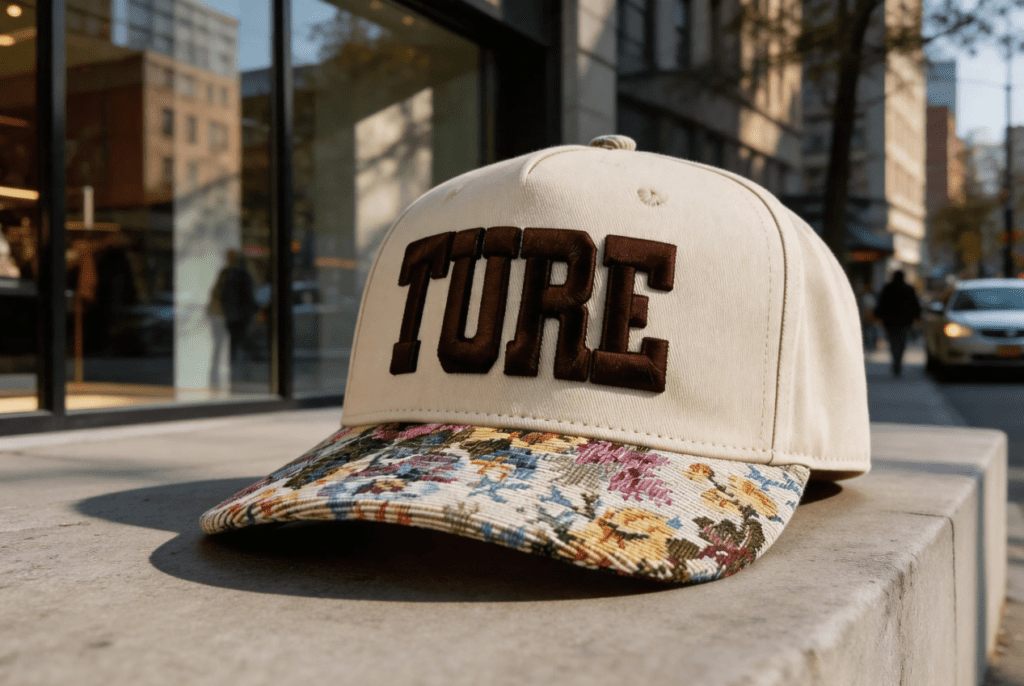
3D puff embroidery uses foam under the stitches to create a raised effect. It is popular for bold front logos, streetwear caps, sports caps, and premium retail hats.
This method works best for simple letters, bold shapes, and large front-panel designs. It is not suitable for thin lines, very small text, or highly detailed artwork.
For best results, 3D puff embroidery should be used on structured front panels.
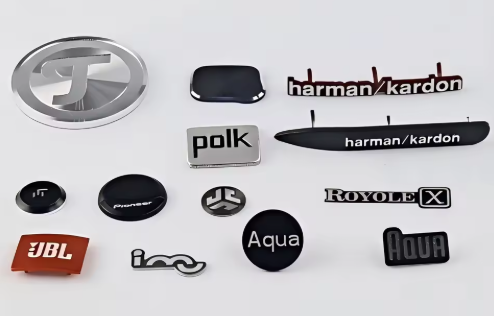
Woven Patches
Woven patches are suitable for logos with fine details, small text, or complex artwork. They offer clean lines and consistent results.
They are commonly used for outdoor caps, lifestyle hats, retail collections, and badge-style designs.
Embroidered Patches
Embroidered patches create a classic, textured, and durable look. They are suitable for heritage-style caps, outdoor brands, workwear caps, and bold logo designs.
They may not be the best choice for very small details, but they work well for designs that need a more traditional or premium appearance.
PVC or Rubber Patches
PVC and rubber patches create a modern, dimensional, and waterproof effect. They are often used for outdoor, tactical, sports, and performance hats.
They usually cost more than basic embroidery but can create a strong visual difference.
Leather or Suede Patches
Leather and suede patches create a premium and natural look. They are commonly used for lifestyle caps, outdoor brands, vintage-style hats, and high-perceived-value merchandise.
These patches can be debossed, embossed, laser-burned, or printed, depending on the material and design.
8. Logo Decoration Comparison
| Decoration Method | Best For | Visual Effect | Main Advantage | Limitation |
|---|---|---|---|---|
| Flat embroidery | Text logos, icons, classic caps | Clean and traditional | Durable and widely used | Dense designs may distort fabric |
| 3D puff embroidery | Bold letters, simple shapes | Raised and premium | Strong visual impact | Not suitable for fine lines or small text |
| Woven patch | Detailed logos, small text | Clean and precise | Good detail retention | Patch edge and placement must be controlled |
| Embroidered patch | Heritage and outdoor styles | Textured and classic | Durable and premium-looking | Less suitable for very small details |
| PVC or rubber patch | Outdoor, tactical, sports caps | Modern and dimensional | Waterproof and durable | Usually higher cost |
| Leather or suede patch | Premium lifestyle caps | Natural and upscale | High perceived value | Attachment durability should be tested |
9. Understand MOQ for Custom Baseball Hats
MOQ means minimum order quantity. It is the smallest quantity a factory can efficiently produce for a custom order.
MOQ is not only based on the hat itself. It is affected by material sourcing, production setup, color requirements, decoration method, packaging, and size breakdown.
Basic hats using stock materials usually have lower MOQs. Fully custom hats with custom fabric, special colors, multiple logo positions, custom trims, or retail packaging usually require higher MOQs.
Typical MOQ Reference
| Hat Type | Typical MOQ |
|---|---|
| Basic unstructured dad hat with stock fabric | 100–200 pcs |
| Structured snapback with stock fabric | 200–300 pcs |
| Fitted cap with multiple sizes | 300–500 pcs |
| Technical or performance hat | 300–500 pcs |
| Fully custom hat with custom fabric and trims | 500–1000 pcs |
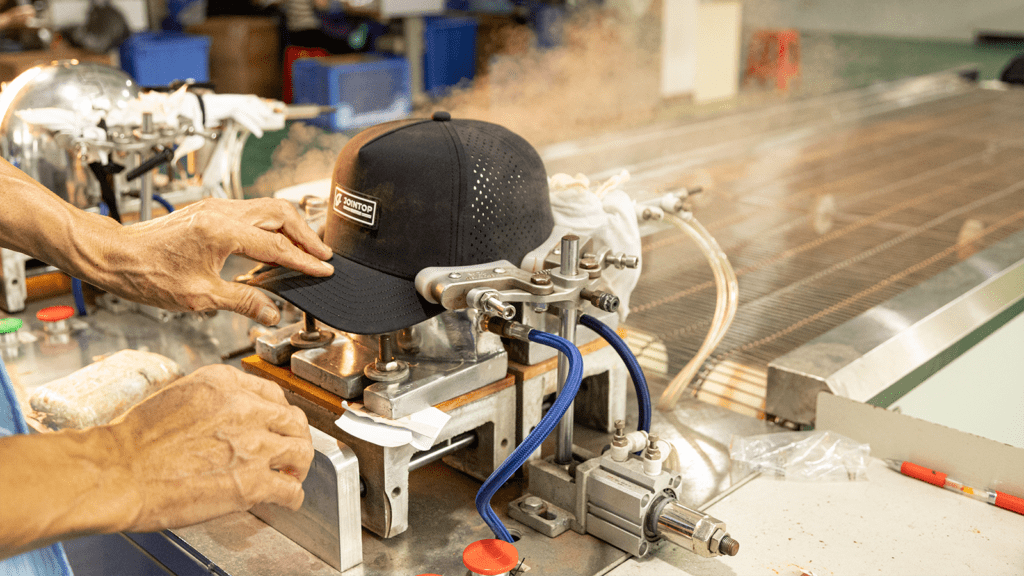
10. What Affects MOQ
Several factors can increase or reduce the MOQ of a custom hat order.
Stock fabric usually supports lower MOQ because the material is already available. Custom-dyed fabric often requires a higher MOQ because fabric mills have their own dyeing minimums.
A simple front embroidery usually has a lower setup requirement. Multiple logo positions, 3D puff embroidery, PVC patches, or custom trims can increase production complexity.
Fitted caps also require more planning because each size needs its own quantity. For example, a 300-piece fitted cap order may need to be divided across several sizes, which reduces the quantity per size.
Packaging can also affect MOQ. Bulk packing is easier, while custom boxes, barcode labels, hang tags, and FBA-ready packaging may involve additional supplier minimums.
11. Understand Custom Hat Pricing
Custom baseball hat pricing usually includes material cost, labor cost, decoration cost, packaging cost, quality control cost, and logistics cost.
The final unit price depends on the design complexity, fabric choice, logo method, order quantity, production country, and packaging requirement.
Main Pricing Components
| Cost Component | What It Includes | Cost Impact |
|---|---|---|
| Fabric | Main fabric, mesh, sweatband, lining | Higher for premium, recycled, or technical fabrics |
| Labor | Cutting, sewing, shaping, finishing | Depends on design complexity and production location |
| Decoration | Embroidery, patches, labels, logo setup | Increases with more positions and complex artwork |
| Trims | Buckle, snapback, eyelets, taping, labels | Custom trims increase unit cost |
| Imballaggio | Polybag, hang tag, barcode, carton, retail box | Retail packaging increases cost |
| QC and logistics | Inspection, inland transport, export handling | Depends on order size and shipping method |
In general, the unit price goes down when the order quantity increases, stock fabric is used, the logo is simple, and packaging is basic.
The unit price goes up when the quantity is small, the fabric is custom dyed, the hat structure is complex, there are multiple logo positions, or retail packaging is required.
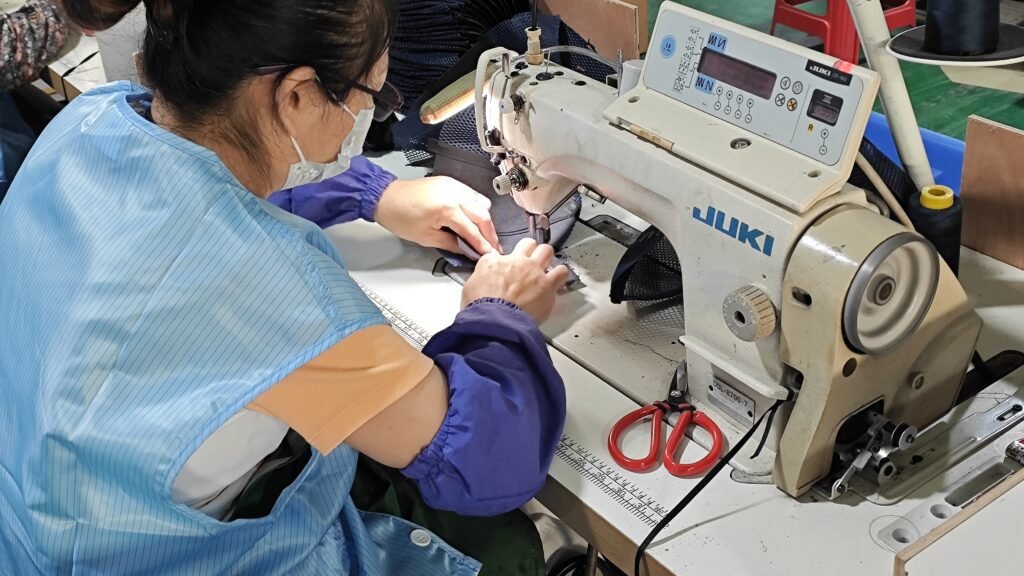
12. Plan the Production Timeline
A realistic production timeline helps avoid delays, rushed approvals, and quality problems.
| Stage | Typical Time | Main Work |
|---|---|---|
| Tech pack review | 1–3 days | Confirm style, fabric, artwork, color, and quantity |
| Logo setup | 2–5 days | Prepare embroidery file, patch artwork, or mold |
| Sampling | 7–14 days | Make and ship the sample for approval |
| Sample revision | 5–10 days | Adjust shape, color, logo, or workmanship if needed |
| Bulk production | 20–35 days | Cut, decorate, sew, inspect, and pack |
| Final inspection | 1–3 days | Check bulk goods against the approved sample |
| Export preparation | 2–5 days | Prepare cartons, documents, and shipment |
| Total estimated timeline | 45–60 days | From order confirmation to port delivery |
For urgent projects, stock fabrics, standard trims, and simple decoration methods can help reduce lead time. Custom fabric, complex embroidery, multiple sample rounds, and retail packaging can extend the timeline.
13. Sampling Before Bulk Production
Sampling is one of the most important steps in custom hat production. A physical sample helps confirm the real fabric, color, crown shape, brim curve, logo size, logo position, and overall workmanship.
Before approving bulk production, check the following:
- Crown height and shape
- Panel construction
- Brim curve and firmness
- Fabric hand feel
- Fabric color
- Logo size and placement
- Embroidery or patch quality
- Thread color
- Closure type and function
- Label position
- Overall fit
- Packaging details
A digital mockup is useful for visual reference, but it cannot replace a physical sample. For embroidery, a real sew-out sample is strongly recommended before mass production.

14. Compare Production Locations
Different production locations have different strengths. The best option depends on product complexity, target price, production volume, timeline, and compliance requirements.
| Production Location | Main Advantages | Best For |
|---|---|---|
| China | Strong supply chain, fast sampling, wide material options, advanced decoration | Complex custom caps, premium hats, fast development |
| Vietnam | Stable manufacturing, good compliance, balanced cost and quality | Mid-to-large orders, retail programs, corporate merchandise |
| Bangladesh | Competitive labor cost, strong textile production base | Basic cotton caps, volume programs, cost-sensitive orders |
China is often suitable for complex, high-spec, or fast-turnaround custom hat projects. It has strong material sourcing, advanced decoration options, and fast sample development.
Vietnam is a good option for mid-to-large production runs, especially when compliance documentation and stable manufacturing are important.
Bangladesh is suitable for cost-sensitive and cotton-heavy programs, especially when the design is straightforward and the order quantity is large.
15. Prepare a Complete Tech Pack
A complete tech pack helps the factory understand your requirements clearly. It also reduces sampling mistakes, quotation errors, and production delays.
Your custom baseball hat tech pack should include:
- Hat style
- Structured or unstructured crown
- Crown height
- Panel construction
- Brim type
- Fabric type
- Fabric weight
- Pantone TCX color codes
- Logo artwork files
- Logo size
- Logo placement
- Decoration method
- Closure type
- Label requirements
- Trim details
- Quantity breakdown
- Size breakdown for fitted caps
- Packaging requirements
- Quality standard
- Target delivery date
- Shipping address and incoterm
Recommended artwork formats include AI, EPS, PDF, and SVG. JPG or PNG files can be used as visual references, but they are usually not ideal for production artwork unless converted properly.
16. Quality Control Checklist
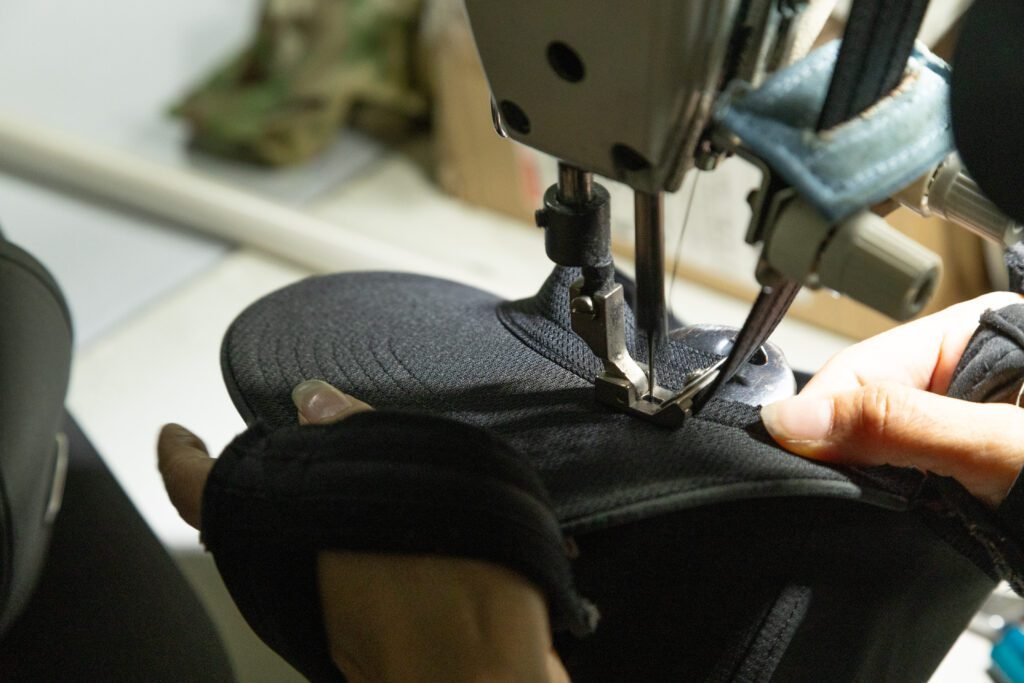
Quality control should compare bulk production against the approved sample. The approved sample should be treated as the production standard.
Check these points before shipment:
- Correct fabric and color
- Consistent crown shape
- Clean panel sewing
- No loose threads
- No stains or fabric damage
- Correct brim shape
- Correct logo size
- Correct logo position
- Clean embroidery or patch application
- Correct closure type
- Correct labels and trims
- Correct packaging
- Accurate quantity and size breakdown
- Correct carton marks and shipping information
For larger orders, an AQL inspection standard can be used. A common inspection level is AQL 2.5, but the final standard should match your product requirements and order size.
17. Common Production Mistakes to Avoid
| Mistake | Possible Result | How to Avoid It |
|---|---|---|
| Using vague color names | Final color does not match expectations | Use Pantone TCX codes and lab dips |
| Sending low-resolution artwork | Logo looks unclear or distorted | Provide vector artwork files |
| Skipping physical samples | Bulk production may not match expectations | Approve a real sample first |
| Using complex embroidery on soft fabric | Wrinkles or uneven stitching | Test embroidery before production |
| Ignoring fitted size breakdown | Inventory imbalance | Plan size quantities carefully |
| Adding too many logo positions | Higher cost and longer lead time | Prioritize the most important branding areas |
| Confirming production too late | Missed launch date | Plan a realistic 45–60 day timeline |
| Skipping packaging confirmation | Retail or barcode issues | Approve packaging details before bulk packing |
18. Pre-Order Checklist
Before placing a custom baseball hat order, confirm all key details:
- Hat style is selected
- Crown structure is confirmed
- Crown height and panel construction are specified
- Fabric type and fabric weight are confirmed
- Pantone TCX color codes are provided
- Lab dip is requested if custom dyeing is needed
- Logo artwork is provided in vector format
- Logo size and placement are confirmed
- Decoration method is confirmed
- Closure type is confirmed
- Quantity breakdown is confirmed
- Size breakdown is confirmed for fitted caps
- Label and trim requirements are confirmed
- Packaging requirements are confirmed
- Sample process is agreed
- Quality standard is defined
- Shipping term and delivery address are confirmed
- Target delivery date is confirmed
Custom baseball hats may look simple, but every production decision affects cost, timeline, and quality. Hat style, fabric, color, logo method, MOQ, packaging, sampling, and quality control should all be confirmed before bulk production starts.
For a smoother custom hat project, prepare your logo, target quantity, preferred style, Pantone colors, packaging requirements, and delivery timeline in advance. A clear tech pack and approved physical sample can greatly reduce production risk and help ensure the finished hats match your expectations.


 English
  German
  Spanish
  French
  Amharic
  Portuguese
  Italian
  Swedish
  Turkish
  Belarusian
  Danish