Here is a stat that should make any headwear brand stop and think: the global performance apparel market crossed $200 billion in 2025, and headwear is one of the fastest-growing segments within it. Not because people suddenly decided hats need to do more, but because brands like Melin figured out something obvious in hindsight — if someone is going to wear your logo on their head for six hours in the sun, that hat better do something useful.
The problem is, most brands walking into custom performance hats for the first time get the same conversation from manufacturers: “Yeah we can do moisture-wicking.” Then the sample arrives and it is a regular polyester cap with a sweatband that somebody called “performance” because that word sells.
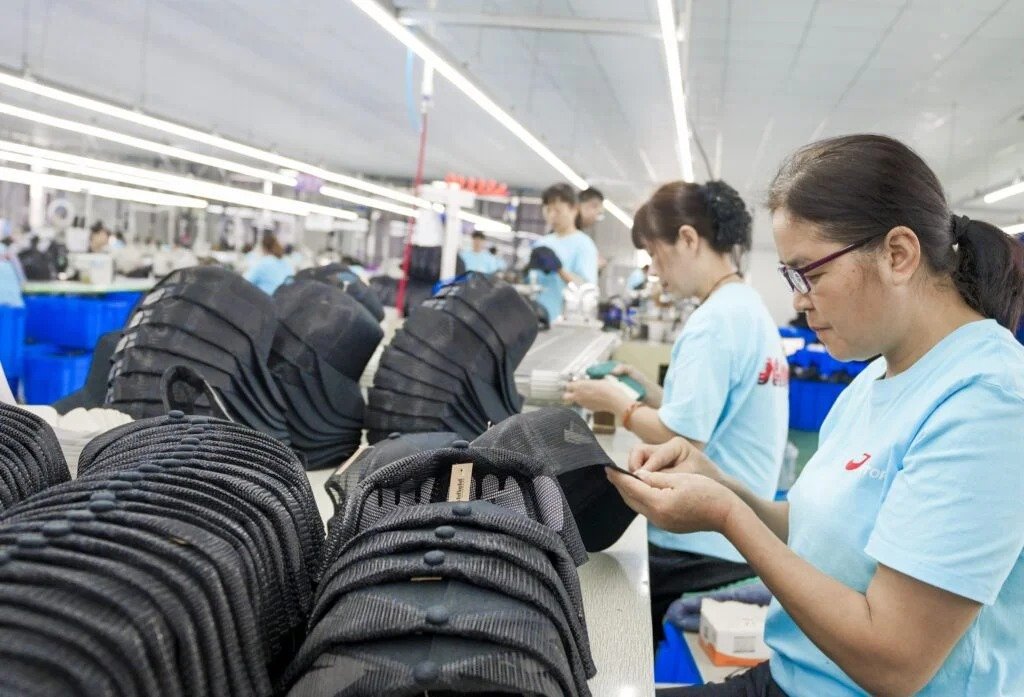
This guide is built from the manufacturer side. We have been making custom headwear for brands — from startups to established names — for over two decades across factories in China, Vietnam, and Bangladesh. Here is what actually matters when you spec out a performance hat, what shortcuts to watch for, and how to make sure what lands on your customer’s head is what you actually ordered.
What Actually Makes a Hat “Performance”
The term “performance” gets thrown around the industry like free samples at a trade show. But technically, a performance hat needs at least two of these four things:
- Moisture management — fabric that moves sweat away from skin and dries fast. Not just “breathable.” Actively wicking.
- Temperature regulation — laser perforations, mesh panels, or fabric construction that lets heat escape.
- UV protection — UPF-rated fabric that blocks ultraviolet radiation. Standard cotton gives you about UPF 5. Performance fabrics hit UPF 50+.
- Element resistance — water repellency (DWR coating), quick-dry capability, or full waterproof construction.
If a hat has none of these and just says “performance” on the tag, somebody in marketing is working harder than the fabric is.
Most brands that come to us for custom performance headwear are actually building on what their target customer already uses. A golf brand wants UPF and sweat-wicking. A fishing brand needs water repellency and neck coverage. A gym brand just needs a hat that does not turn into a wet towel after one workout.
Moisture-Wicking: The Non-Negotiable Feature
If your performance hat does only one thing well, this is the one.
Here is the reality: a regular cotton cap absorbs about 27 times its weight in water (sweat) before it even starts to feel uncomfortable. Polyester absorbs roughly 0.4% of its weight. That gap is why cotton hats look like you dunked them in a pool after a hot round of golf, and polyester performance hats look almost dry.
But not all polyester is created equal. The fabric treatment matters.
| Wicking Technology | How It Works | Best Use |
|---|---|---|
| Standard polyester knit | Capillary action between fibers | Everyday active wear |
| Coolmax or equivalent | Cross-section fiber design increases surface area | Running, high-output sports |
| Hydrophilic finish treatment | Chemical treatment alters surface tension | Budget-friendly performance option |
| Dual-layer construction | Inner poly wicks to outer cotton or poly layer | Lifestyle + performance crossover |
We see most brands go with a polyester-spandex blend for the front panels and a mesh back. The spandex gives the stretch that makes fitted and flexfit performance hats actually stay on your head — another thing cheap manufacturers skip by using 100% poly with no give.
For a deeper breakdown of fabric construction, our custom baseball hats guide covers material specs across different cap styles.
UPF Ratings and Why They Matter for Outdoor Performance
This is the feature most brands overlook because it is invisible. You cannot feel UPF 50. You only notice when you do not have it and your customer writes a one-star review about a sunburned scalp.
Standard cotton fabric has a UPF of about 5. That means it blocks roughly 20% of UV radiation. A UPF 50 fabric blocks 98%.
Here is the thing: the UPF rating does not come from a magic spray. It comes from fabric density, fiber type, and sometimes a UV-inhibiting additive during the dyeing process. Polyester and nylon naturally block more UV than cotton. Darker colors block more than light colors. Tighter weaves block more than loose ones.
If you are marketing to golfers, fishermen, hikers, or anyone who spends more than 30 minutes outside, UPF should be a spec in your tech pack, not an afterthought. The Melin golf hat guide we published breaks down how premium brands incorporate this into their product messaging and why it converts.
For external reference, the Skin Cancer Foundation maintains UPF standards and testing guidelines that are worth understanding before you put “UPF 50+” on your hang tag.
DWR, Hydrophobic Coatings, and the Water Conversation
DWR stands for Durable Water Repellent. It is not waterproofing. This distinction trips up a surprising number of brands.
A DWR-treated performance hat will make water bead up and roll off when you splash it or walk through light rain. If you submerge it in a bucket, water is still getting through. A truly waterproof hat uses a membrane (like Gore-Tex or a PU laminate) and taped seams, which is a different category and a higher price point entirely.
For most performance brands, DWR is the sweet spot. It handles sweat, rain, splashes, and the occasional spilled drink. It also keeps the hat lighter because the fabric is not absorbing and holding moisture.
The DWR conversation gets complicated in 2026 because the industry is shifting away from C8 fluorocarbon-based treatments (the old standard) to C0 and C6 alternatives that are more environmentally responsible. C0 DWR works, but it does not last quite as long and costs a bit more per yard. You need to decide which battle your brand wants to fight: durability versus sustainability positioning.
Our custom Melin hats production guide goes into how the hydrophobic performance layer is applied during manufacturing and what quality standards to look for.
Antimicrobial Liners: The Feature Nobody Talks About Until It Smells
Every performance hat brand eventually gets the same email: “I love the hat but after three months of wearing it to the gym it smells like a locker room. How do I clean it?”
An antimicrobial liner does not make a hat self-cleaning. But it significantly slows down the bacteria growth that causes odor. Most antimicrobial treatments for headwear use either silver-ion technology or a zinc-based compound embedded into the sweatband fabric.
This is one of those features that adds maybe $0.15 to $0.30 per unit at the factory level and gives your brand a bullet point that actually matters to a repeat buyer. If your customer is wearing your hat for workouts, outdoor activities, or all-day events, an untreated sweatband becomes a liability fast.
Outdoor Research is one brand that handles this well — their performance hats include antimicrobial liners as standard on their active models, and they reference it in product copy without over-promising.
The Melin Playbook: How the Market Leader Built a Category
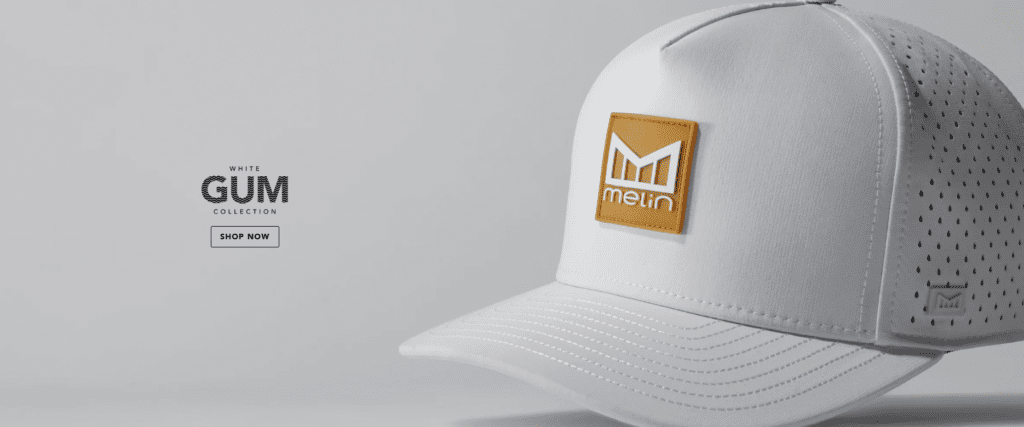
You cannot talk about custom performance hats without understanding what Melin did to the market. They did not invent the performance hat. They just created the premium tier that every other brand now wants a piece of.
The formula, from a manufacturing perspective, is straightforward:
- Start with recognizable silhouettes (dad hat, snapback, runner) so the shape feels familiar
- Upgrade every material component — hydrophobic outer shell, antimicrobial liner, floating brim, custom hardware
- Build scarcity and community around colorway drops
- Price at $59-$79 so it signals premium but does not feel ridiculous
From a production standpoint, a Melin-level hat costs roughly 3x what a standard custom cap costs to manufacture. But the difference is not just materials — it is quality control tolerance. A DWR treatment that beads at 95% effectiveness versus 99% is the difference between a $20 hat and a $60 hat, and you cannot see that difference in a photo.
We covered the product-level breakdown in our custom performance hats product lessons post, including what to specify in your factory brief to hit that premium tier.
Working With a Custom Performance Hat Manufacturer
Here is where things get practical. You have the feature list. Now you need a factory that can execute it without the sample round turning into a six-month disaster.
What to Look For
A factory that says they do performance hats should be able to answer these four questions without hesitation:
- What DWR chemistry are you using, and what is the spray rating after 10 wash cycles?
- Can you show me UPF test reports for the fabric you are proposing — not the fabric mill’s generic spec, but your actual lot testing?
- What is your seam sealing process if we spec a waterproof model?
- Who supplies your antimicrobial liner treatment, and what is the active ingredient?
If they cannot answer these, they are a general cap factory taking performance orders because the margin is higher. That does not mean they cannot make a decent hat. It means you are rolling the dice on whether the performance features actually perform.
The Sampling Timeline Nobody Tells You
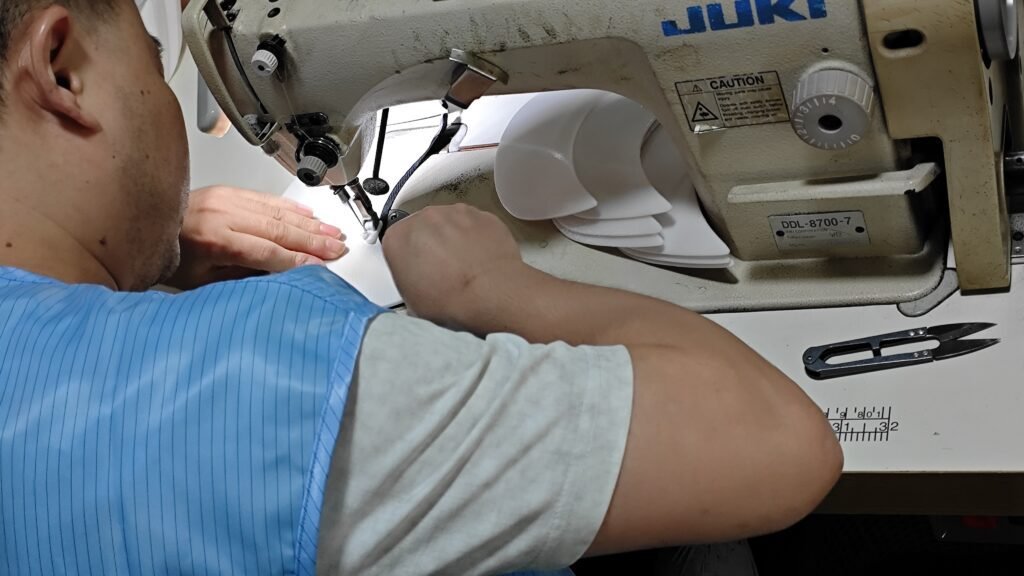
Performance hat sampling is slower than standard cap sampling, period. A standard embroidered cap sample takes 10-14 days. A performance hat with custom fabric, DWR treatment, and specialty trims takes 21-30 days minimum. Sometimes longer if the fabric mill is backed up.
Plan for three rounds:
- Round 1: silhouette, fit, and base construction. Do not even worry about performance features yet.
- Round 2: performance fabric with treatments. This is where most revisions happen.
- Round 3: final pre-production sample with all trims and labels.
For more on the full product development cycle, our custom hat development process guide maps out each phase from sketch to shipping.
MOQ and Pricing: The Numbers That Actually Matter
Performance hats carry higher MOQs than standard caps. The reason is fabric — performance fabrics are often custom-dyed and treated, and mills have minimum order quantities that factories pass along to you.
| Item | Standard Custom Cap | Performance Custom Cap |
|---|---|---|
| Typical MOQ per style | 100-200 pcs | 300-500 pcs |
| Per-color minimum | Included in MOQ | 100 pcs per colorway |
| Unit cost (basic) | $2.50-$4.50 FOB | $4.00-$7.50 FOB |
| Unit cost (premium/Melin-tier) | N/A | $8.00-$14.00 FOB |
| Sample cost | $50-$100 | $100-$200 per round |
| Lead time | 20-30 days | 30-45 days |
These are ranges, not quotes. Lead times vary by factory, season, and complexity. But this table gives you a realistic starting point for budgeting.
If these MOQs are higher than what you are ready for, read our custom hats complete design and MOQ guide for strategies on starting smaller and scaling up.
Fabric Options Your Factory Should Offer
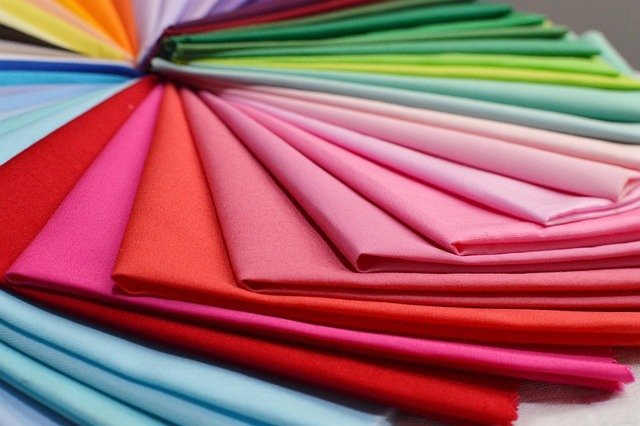
Not every performance fabric is right for every hat style. Here is the cheat sheet:
| Fabric | Performance Features | Best Hat Styles | Watch Out For |
|---|---|---|---|
| Polyester pongee | Lightweight, wind-resistant, takes DWR well | Runners, bucket hats | Can feel too thin if not lined |
| Poly-spandex blend (85/15 or 90/10) | Stretch, recovery, wicking | Fitted, flexfit, dad hats | Over-stretch if spandex ratio too high |
| Nylon taslan | Durable, dries fast, abrades well | Outdoor, fishing hats | Slightly rougher hand feel |
| Recycled polyester | Same as poly, sustainability story | All styles | Verify certification claims |
| Cotton-poly blend (40/60) | Comfort + basic wicking | Lifestyle crossover | Does not hit true performance specs |
| Coolmesh / hex-mesh | Maximum ventilation, zero moisture retention | Truckers, runners | Limited branding surface area |
The poly-spandex blend is the workhorse of the category. About 70% of performance hat orders we process use some variation of it. Combined with a mesh back or laser-perforated side panels, it covers the moisture, stretch, and breathability requirements in one build.
Questions Every Brand Should Ask Before Ordering
Before you send that first PO, here are the six questions that separate brands that get a good product from brands that get a surprise:
- What is the wash durability of the DWR treatment? Ask for test data, not a verbal assurance. A rating of 80/100 after 10 washes is good. Below 70 means the DWR is going to disappear fast.
- Is the UPF rating from the fabric itself or from an additive? Fabric-density UPF is permanent. Additive-based UPF can degrade over washes.
- What is your colorfastness rating on the performance fabric? Performance fabrics that wick moisture sometimes bleed dye more easily. A rating of 4 or higher (on a 5-point scale) for wet crocking is what you want.
- Can the sweatband be replaced with an antimicrobial option, and what is the upcharge? This should be a line item on the quote, not a “we’ll check with the factory” answer.
- What is the brim construction? A floating brim with memory is standard on premium performance hats. A cardboard or standard plastic brim says this is a budget build regardless of what fabric is on top.
- Do you have in-house testing or third-party lab reports for the performance claims? In-house testing is convenient. Third-party testing is credible. For your first order, you want the credible option.
The Bottom Line
Custom performance hats are not just regular hats with a marketing upgrade. They require different materials, longer sampling timelines, higher MOQs, and a manufacturer who actually understands what “performance” means at the production level.
The brands that win in this space are the ones that treat product development like an investment, not a transaction. They spec their fabrics carefully, they budget for multiple sample rounds, and they build relationships with factories that can deliver consistent quality across reorders.
If you are ready to start building your performance hat line, we work with brands at every stage — from first-time founders to established labels scaling into new categories. Our factories in China, Vietnam, and Bangladesh have produced performance headwear for some of the most demanding brands in the market, and we are happy to walk you through what is possible for your specific product vision.
Reach out to our team for a no-obligation consultation on materials, pricing, and timelines. We have been doing this for twenty years. You will get straight answers, not a sales pitch.



 English
  German
  Spanish
  French
  Amharic
  Portuguese
  Italian
  Swedish
  Turkish
  Belarusian
  Danish