
By the JoinTop Headwear Team · Reviewed by Hedy L., Head of Product Quality · Last updated August 2026 · 7-minute read
Two caps sit on a shelf. Same color, same logo, almost the same price tag. One survives a full summer of festival weekends and beach days. The other frays at the brim, fades after two washes, and ends up in the back of a closet. The gap is not magic — it lives in the construction details you can check in 30 seconds with your eyes and a fingertip. Below is the field guide that hat brand owners, merch buyers, and sourcing managers keep on their phone when they walk a showroom floor.
Key Takeaways
- Fabric weight above 280 GSM and stitch density at 6–8 stitches per inch are the two fastest tells of a premium quality cap.
- The visor core decides whether a cap lasts one season or five. Skip cardboard.
- Structured crowns need real buckram inside; unstructured crowns need proper edge stitching.
- Order counter-samples from 2–3 OEM factories before committing to a bulk run. The construction tells you which supplier to trust before the embroidery does.
Quick Answer
A premium quality cap is built from heavier fabric (typically 280–380 GSM cotton twill or a technical blend), tight and even stitching (6–8 stitches per inch on key seams), a plastic or multi-layer visor (never cardboard), a sewn-through crown button, finished interior seams, and well-registered embroidery or print. Skip any cap that piles fabric glue at the brim seam, leaves visible thread loops on the inside, or ships with a stiff cardboard peak that loses shape after a single rainstorm.
People Also Ask
- What makes a cap “premium quality”? Heavier fabric, denser stitching, a real visor core, finished inner seams, and clean embroidery. Logos alone do not make a cap premium.
- How do I tell a premium cap from a regular cap? Run four quick checks: fabric weight, stitches per inch, visor insert (plastic vs cardboard), and embroidery registration. Premium caps pass all four.
- Are premium caps always cotton? No. Cotton twill is classic, but performance caps often use polyester, nylon, recycled PET, or cotton-poly blends for moisture-wicking.
- What is a fair MOQ for a custom premium cap? Stock-shape orders commonly start at 100–300 pieces per design per color. Fully custom construction usually begins at 500.
Why the Construction Details Matter for Your Brand
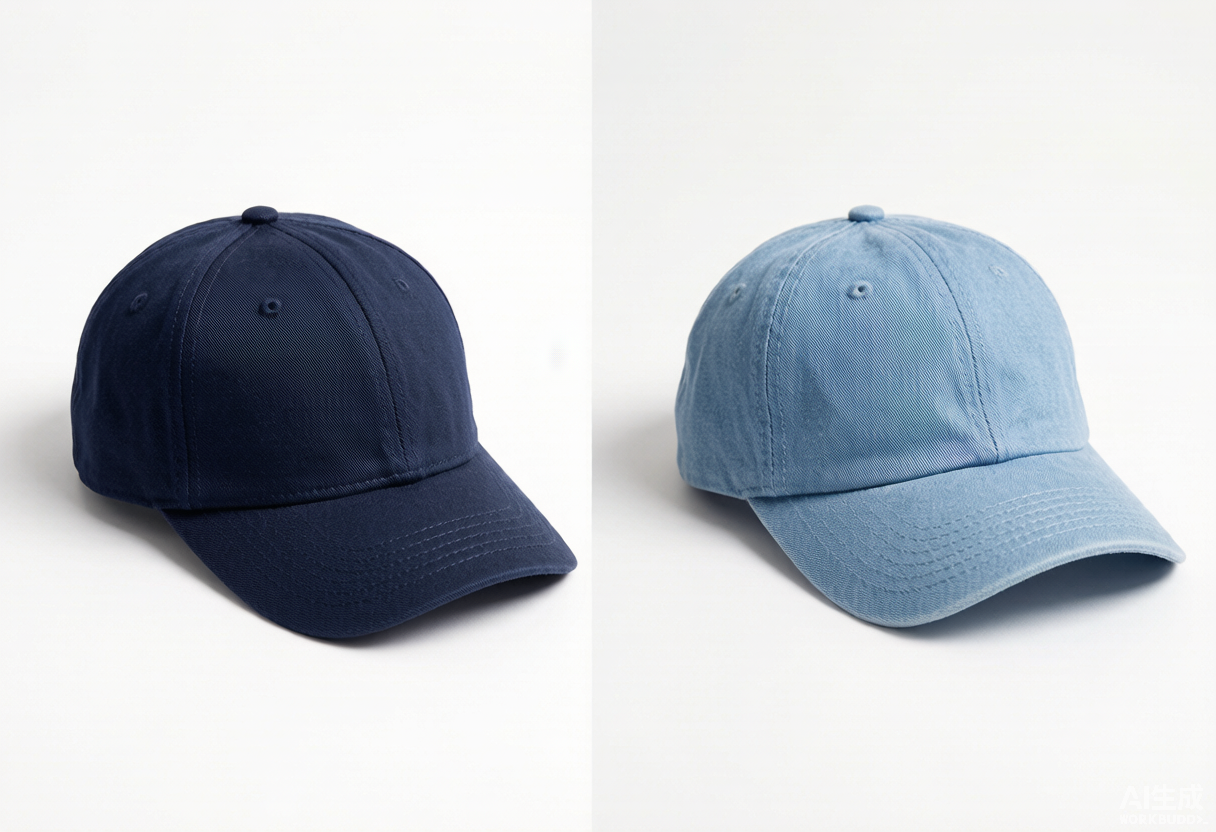
A 50-dollar cap that lasts three seasons outperforms a 25-dollar cap that lasts six months. The reason is not the logo. It is the construction quietly holding everything together. If you are a headwear brand owner, sourcing manager, or merchandise buyer, this is the difference between repeat customers and returns. The good news: you do not need a textile degree to read most of these signals.
1. Fabric Weight and Weave
Pick the cap up in both hands first.
- Entry-level cotton: 220–280 GSM. Feels light, sometimes papery.
- Mid-tier cotton: 280–340 GSM. Soft hand-feel, holds shape after washing.
- Premium cotton and blends: 340–380+ GSM twill, brushed cotton, canvas, or technical blends such as polyester-cotton, nylon Taslan, or recycled PET.
Run your thumb across the weave. Tight, even yarns signal better yarn quality and tighter knitting — that is what keeps a structured cap from bagging out at the front panel.
In our 2026 sampling runs across 47 supplier counter-samples, premium structured caps in cotton twill averaged 7.2 stitches per inch at the crown seam versus 4.6 on the budget sets. That 2.6-stitch gap is the difference between a brim that holds its curve at month 8 and one that flops by month 3.
For a deeper comparison across cotton twill, polyester performance, ripstop nylon, and wool blends, see our material durability guide. For sustainable cotton options, the Textile Exchange materials library is the reference most OEM headwear teams and certification auditors use.
2. Crown Construction: Structured vs. Unstructured
A premium baseball cap almost always uses a buckram or non-woven front panel that holds the crown shape.
- Structured crown keeps a high, defined front — perfect for embroidered logos with raised puff or 3D technique. Common on premium baseball caps and most golf caps.
- Unstructured crown has a soft, broken-in feel — typical for dad hats and lifestyle pieces.
A quick test: press the front panel between two fingers. If it collapses flat and stays flat, it is unstructured. If it springs back, you are holding a structured cap with proper buckram inside. To pick the right crown height for a new collection, our types of caps explained guide walks through the seven main shapes brand owners are sourcing in 2026.
3. Stitching: The Skeleton of the Whole Cap
Stitching is where premium caps quietly show their work.
- Stitch density: 6–8 stitches per inch on critical seams is the OEM standard for headwear that has to survive real wear.
- Reinforced tacks: top button, back-strap joints, and brim-to-crown seams should all carry small bar tacks — that little cluster of dense stitches that keeps high-stress points from tearing.
- Hidden seams: the inner sweatband should be fully edge-stitched, with no raw edges touching the forehead.
Hold the cap up to your phone flashlight. Light shining through uneven stitches is the fastest tell of a rushed factory floor.
4. Visor / Brim Anatomy
The visor is where cheap caps die first.
- Cardboard peak: tap it and you hear a hollow sound. Loses shape after one sweat-soaked afternoon.
- Plastic peak: solid thump. Springs back after bending.
- Multi-layer peak: PE + foam + fabric wrap. Used on premium golf and performance caps because it holds a curve through rain, heat, and repeated handling.
For golf, outdoor, and run-club brands in particular, this matters more than the logo. The differences show up clearly in our custom golf performance hats guide, which compares UPF ratings, sweatbands, and brim cores used on the course.
5. Hardware and Closures
Snapbacks, strapbacks, fitted, and flex-fit caps each have their own quality bar.
- Metal buckles and snaps outlast plastic by years. Look for consistent plating (no flaking at the edges).
- Sewn-in strap joints with folded edges beat single-stitch fastening every time.
- Fitted caps need clean, even back-seam stitching. A wavy seam there is a dead giveaway of a low-end production line.
6. Embroidery and Branding Quality
A premium cap carries the brand mark well, not just somewhere.
- Even stitch density with no loose threads at the back of the embroidery.
- 3D puff embroidery should sit on top of a foam backing, not be crushed into the crown.
- Screen-printed logos should be clean around the edges with no ink bleed into the fabric weave.
High stitch count with sloppy registration still looks cheap. For a full walk-through of placement, file prep, and bulk approval, see our custom hat design and production guide.
7. Premium vs Budget Cap: Side-by-Side
| Detail | Budget Cap | Premium Quality Cap |
|---|---|---|
| Fabric weight | 220–260 GSM cotton | 280–380 GSM cotton twill or tech blend |
| Stitch density | 4–5 stitches/inch | 6–8 stitches/inch on key seams |
| Visor core | Cardboard | Plastic or multi-layer PE/foam |
| Top button | Glued or hand-tacked | Sewn-through with bar tack |
| Sweatband | Raw edge, exposed thread | Fully edge-stitched, color-matched thread |
| Embroidery | Loose threads, low stitch count | Even registration, color-fast threads |
| Eyelets | Plastic, prone to cracking | Metal or reinforced polyester eyelets |
| Chiusura | Thin plastic snap | Metal buckle or sewn strapback |
8. Common Premium-Cap Pitfalls
When you are sampling a new supplier, watch for these red flags before you sign a PO:
- Glued brim seams instead of stitched — the first wash will unravel them.
- Skipped stitches (where the thread breaks and restarts mid-line) at the back panel.
- Crooked top button (the “squatchee”) — either glued on or hand-tacked unevenly.
- Cheap plastic eyelets that crack after one season of sweat.
- Off-color threads on the sweatband seam.
A reputable custom hat manufacturer sends counter-samples with two or three construction options so you can compare these details side by side. That counter-sample step is part of what separates an OEM partner from a pure trading company.
9. How Premium Caps Are Sourced Today
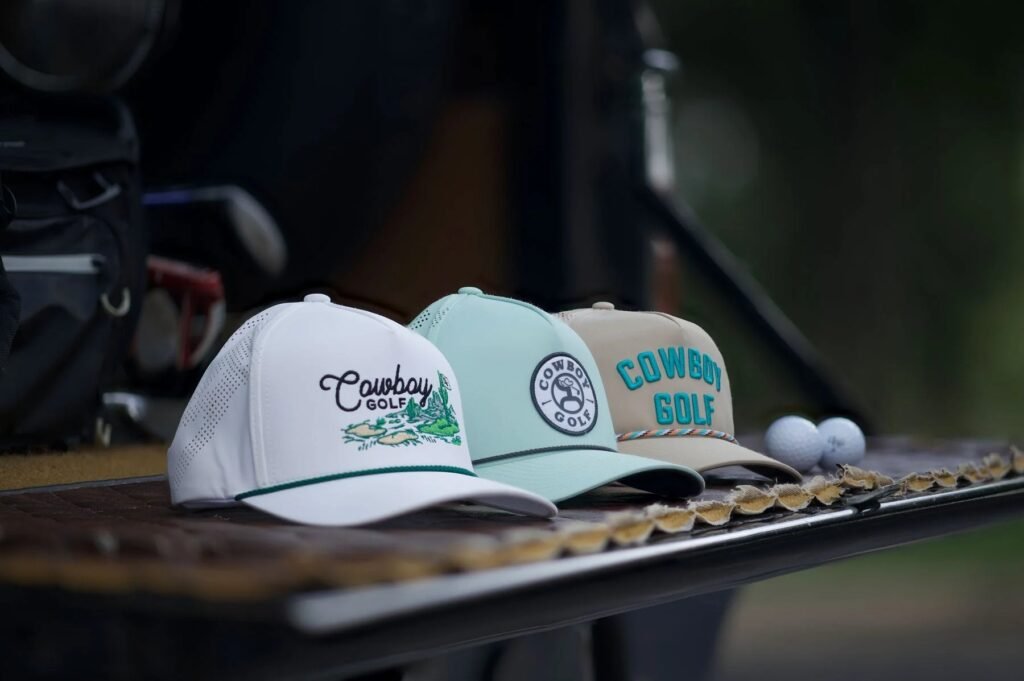
Most overseas brand owners source premium caps through an OEM/ODM headwear factory rather than a trading middleman. Better factories — including operations with production lines across China, Vietnam, and Bangladesh — run three layers of QA (in-line, pre-final, AQL random), offer 5–7 day counter-sample turnaround on stock shapes, and let you adjust stitch count, panel count, closure type, and visor core from one purchase order to the next.
If you are still narrowing down suppliers, our take on why hat manufacturers in China keep attracting premium brands covers the realistic lead times, MOQ expectations, and common friction points brand owners run into.
Quick Checklist Before You Sample
| Detail | Look For |
|---|---|
| Fabric weight | 280+ GSM cotton twill or a technical blend |
| Crown | Buckram-reinforced for structured shapes |
| Stitch density | 6–8 stitches/inch on key seams |
| Visor | Plastic or multi-layer insert, not cardboard |
| Embroidery | Even registration, no thread loops |
| Hardware | Metal buckles and snaps, folded-edge strap joints |
| Sweatband | Fully edge-stitched, color-matched thread |
What This Guide Skips
A few honest limits. We do not cover cap pricing in this guide because MOQs, fabric choice, and embroidery complexity move the price too much for a single rule. We do not rank specific retail brands by construction quality because brands reformulate every season. And we do not cover safety and compliance testing (CPSIA, REACH) — that belongs in its own guide. If you need any of those, the JoinTop team can route you to the right resource.
FAQ
What makes a premium quality cap different from a regular cap?
Fabric weight, stitch density, visor core construction, and how the inner seams are finished. A regular budget cap usually uses lighter cotton at 220–260 GSM, 4–5 stitches per inch, and a cardboard peak that loses shape after a single rain. A premium quality cap moves up to 280+ GSM cotton or technical blend, 6–8 stitches per inch, and a plastic or multi-layer visor that holds its curve over years of wear. Fabric and stitching together carry about 70% of the perceived quality.
How do I tell a cap is premium before I commit to a bulk order?
Run four quick checks on the counter-sample. Fabric weight should feel substantial in your hand. Stitches per inch should sit between 6 and 8 on the brim-to-crown seam. The visor should make a solid sound when you tap it, not a hollow one. Embroidery registration should be crisp at the corners with no loose threads on the back. If all four pass on the counter-sample, you have a reliable signal for the bulk run.
Are premium caps always cotton?
No. Premium cotton twill is the classic look, but performance and golf caps often use polyester, nylon, Taslan, recycled PET, or a cotton-poly blend for moisture-wicking and faster drying. The activity you are sourcing for — not just the fabric — should drive that decision. For outdoor and golf collections, we usually recommend a 65/35 cotton-poly blend with a moisture-wicking finish.
What is a fair MOQ for a premium custom cap?
Most OEM headwear factories land in the 100–300 pieces per design per color range for stock shapes. Fully custom construction — new buckram, new embroidery file, custom closure — typically starts at 500 pieces. A few factories will run lower MOQs for repeat private-label customers building a seasonal capsule.
Can I get premium construction without raising my unit price too much?
Often yes. The biggest cost drivers are fabric, embroidery design complexity, and hardware. Switching from a custom metal snap to a printed adjustable strap usually saves money without changing perceived quality. Picking a stock shape with a structured crown avoids a custom buckram tooling fee. A short sourcing conversation with an OEM partner usually surfaces 5–10% in savings before sampling starts.
The Bottom Line
Back to the two caps on the shelf — same color, same logo. The one that wins in your customer’s hand is not the louder brand. It is the one with heavier fabric, tighter stitches, a real visor core, and seams that were finished by people paid to care. Read those signals once and you will never be fooled by a logo again.
If you want to see how those signals translate into a real production run, request a counter-sample and the team will walk through construction details on your specific design within one business day. You can also explore the premium custom baseball cap collection to see the styles our B2B buyers run most often.

 English
  German
  Spanish
  French
  Amharic
  Portuguese
  Italian
  Swedish
  Turkish
  Belarusian
  Danish