Hats don’t have SPF — they have UPF. SPF measures sunscreen; UPF measures how much UV radiation a fabric blocks. A hat with UPF 50+ blocks 98% of UVA and UVB rays. For real sun protection, look for UPF 50+ fabric, a minimum 3-inch brim, and third-party lab test results from AATCC 183 or AS/NZS 4399 standards.
If you sell hats, your customers probably ask the same question: “Does this hat have SPF?” The short answer is no — hats don’t have SPF. They have UPF. And that distinction matters more than you think, especially when a brand buyer is comparing your sun protection hats against a competitor who slapped “SPF 50” on their label (which is, technically, wrong).
Here’s the deal: SPF (Sun Protection Factor) measures how long sunscreen delays sunburn on skin. UPF (Ultraviolet Protection Factor) measures how much UV radiation a fabric blocks. A hat with UPF 50+ blocks 98% of UVA and UVB rays. A hat labeled “SPF 50” is either confused or cutting corners. Either way, it’s not a good look.
For brands sourcing hats with SPF protection — or more accurately, hats with UPF protection — understanding this distinction is step one. Step two is knowing which fabrics, brim widths, and certifications actually deliver. This guide breaks it down so you can source with confidence and sell without hedging.
SPF vs UPF: The 30-Second Explanation
| Rating | Measures | Used For | What It Tells You |
|---|---|---|---|
| SPF | UVB only | Sunscreen, lotions | How long you can stay in sun before burning |
| UPF | UVA + UVB | Fabrics, clothing, hats | How much UV radiation the fabric blocks |
A UPF 50+ hat means only 1/50th of UV rays reach your scalp. That’s 98% blocked. UPF 30 blocks about 96%. Anything below UPF 15 is basically a fashion accessory with opinions about sun protection.
Il Skin Cancer Foundation recommends UPF 50+ for extended outdoor exposure and a minimum 3-inch brim all the way around for meaningful face, ear, and neck coverage.
What Makes a Hat Actually Protect Against UV?
Fabric: The Heavy Lifter
Not all fabrics block UV equally. If you’re building a line of UV protection hats, here’s what matters:
- Polyester and nylon are the MVPs. Their molecular structure naturally absorbs and scatters UV radiation. Most performance hats and outdoor hats use these because they’re lightweight, quick-drying, and inherently good at UV blocking.
- Cotone is comfortable but has a natural UPF of only 5-15. A tightly woven cotton canvas can reach UPF 30+, but a standard cotton baseball cap won’t cut it for serious sun protection.
- Hemp is naturally UV-resistant and sustainable — a great option for eco-conscious brands. For more on sustainable headwear materials, see our eco-friendly custom hats guide.
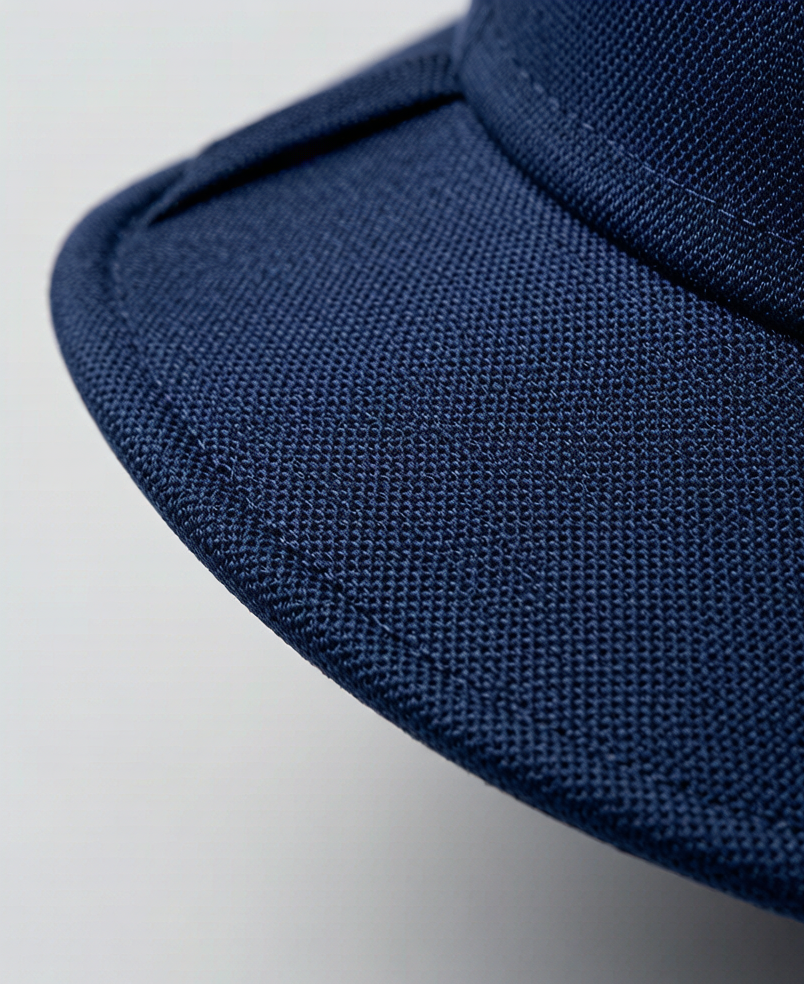
- Straw varies wildly. A tightly woven raffia hat can hit UPF 30+, but a loose-weave decorative straw hat might score as low as UPF 2. Hold it up to the light — if you see pinpricks of light, UV is getting through.
Inherent vs Treated UPF: What Brands Should Know
There are two ways a fabric gets its UPF rating:
- Inherent protection — the fiber itself blocks UV (polyester, nylon, hemp). This doesn’t wash out. It’s permanent.
- Treated protection — a chemical coating or finish is applied to the fabric. This can degrade after 20-30 washes.
Ask your manufacturer which method they use. Inherent protection costs more upfront but lasts longer. Treated protection is cheaper but may need reapplication. For wholesale sun hats that customers wear daily, inherent is the safer bet.
Brim Width: Coverage Is King
A UPF 50+ crown with a 2-inch brim still leaves ears and neck exposed. The brim does the heavy lifting for coverage:
- 3 inches minimum for all-around face, ear, and neck protection
- 3.5-4 inches for fishing, hiking, and high-UV environments
- Curved brims prevent light from sneaking in at side angles during morning and afternoon sun
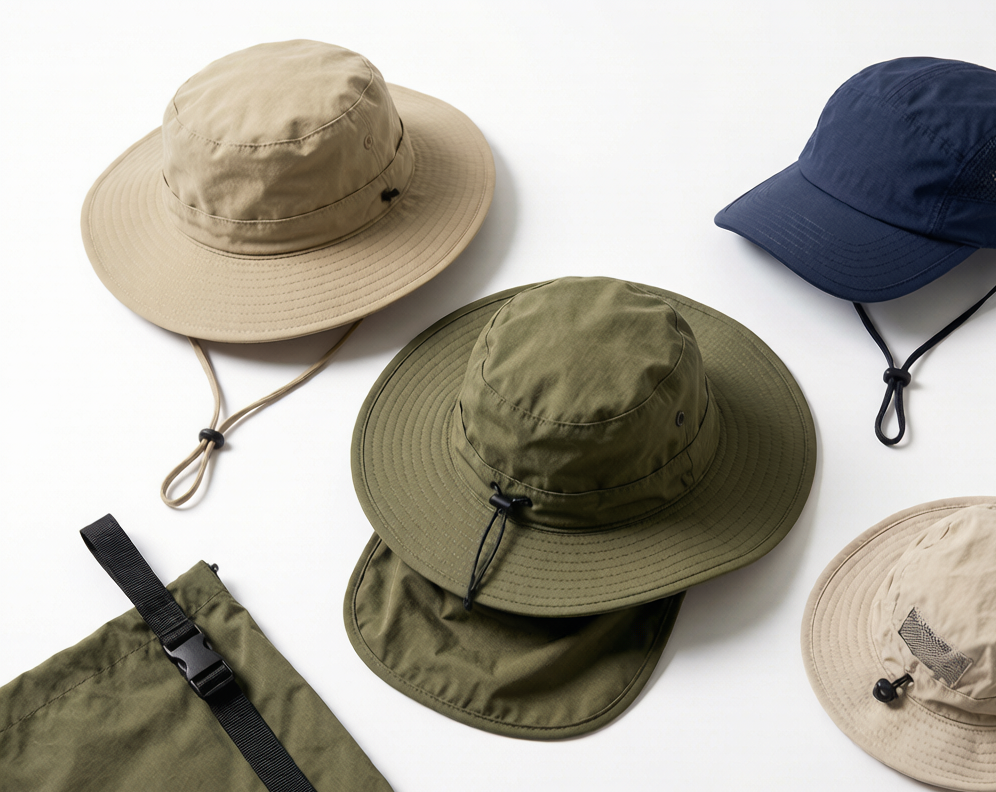
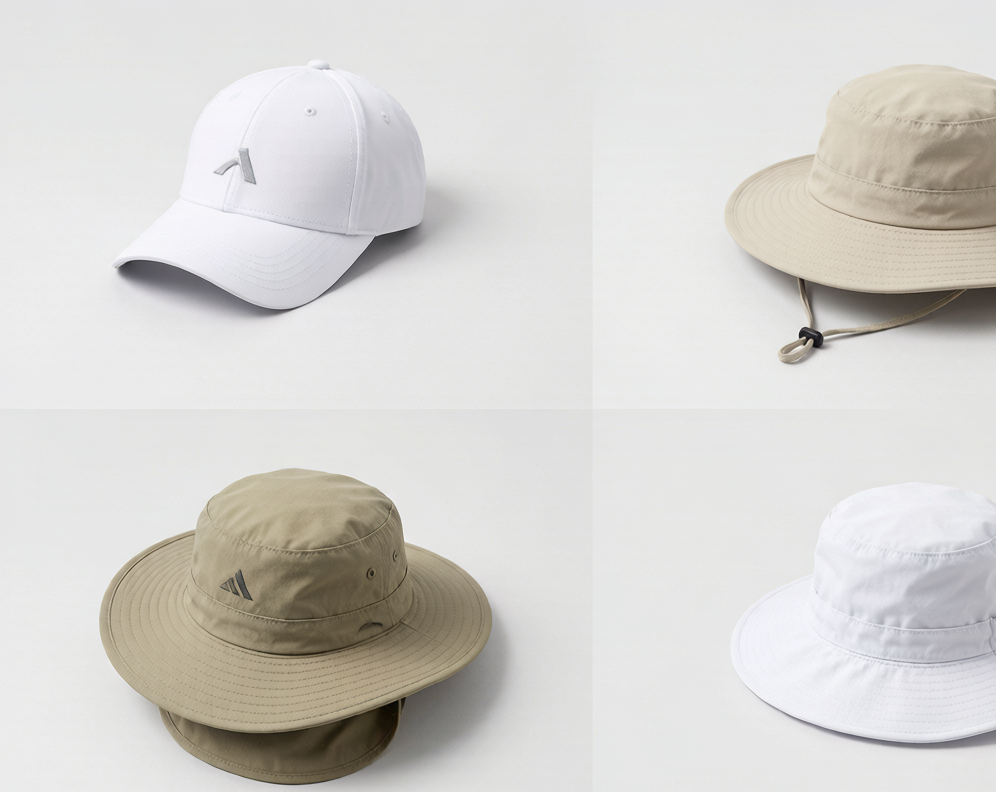
Baseball caps shade the forehead and eyes but leave ears and neck completely exposed. For brands building a serious sun protection line, bucket hats, safari hats, and wide-brim sun hats are where the real UV protection lives. If you’re already selling custom performance hats o golf headwear, adding a UPF 50+ wide-brim option is a natural line extension.
Construction Details That Matter
- Moisture-wicking sweatbands — because a sweaty forehead is a distracted customer
- Mesh ventilation panels — keeps air moving without sacrificing UPF
- Adjustable chin straps — a hat that blows off in the wind isn’t protecting anyone
- Neck flaps — not glamorous, but for fishing, kayaking, and outdoor work, they’re the difference between “nice hat” and “I didn’t get sunburned”
Matching Hat Styles to Real-World Scenarios
Different activities need different hats. Here’s a quick reference for brands building a sun protection line:
| Activity | Best Hat Style | Key Features |
|---|---|---|
| Golf | Performance cap or visor | UPF 50+ panels, sweatband, curved brim |
| Hiking | Safari or bucket hat | Wide brim, neck flap, chin cord |
| Fishing | Boonie hat | Neck flap, water-resistant, floatable brim |
| Beach/Resort | Wide-brim bucket hat | Packable, UPF 50+, breathable lining |
| Running/Tennis | Performance cap | Lightweight, moisture-wicking, perforated |
| Outdoor work | Hat with neck drape | Durable fabric, venting, high brim |
This table isn’t just for show — it’s the kind of detail that helps buyers move from “we want a sun hat” to “we need this exact sun hat for this exact customer.” If you’re also developing baseball caps o premium quality caps, think about how a UPF-rated version fits into your existing lineup.
Certifications: Trust, but Verify
A UPF claim without a lab report is just a claim. For wholesale orders, ask your supplier for third-party test results. The main testing standards:
- AATCC 183 — the U.S. standard for measuring UV transmission through fabrics
- ASTM D6603 — labeling guidelines for UV-protective textiles
- AS/NZS 4399 — the Australian/New Zealand standard (widely respected globally)
- EN 13758-1 — the European standard
Reputable testing labs include SGS, Intertek, and Bureau Veritas. A hangtag that says “UPF 50+ — Tested to AATCC 183” builds trust. A hangtag that says “sun safe” with no number builds skepticism. For a deeper dive on SPF vs UPF testing standards, check our hat SPF protection guide.
Common Mistakes Brands Make
- Trusting the label without test reports. A tag that says “UPF 50” is easy to print. A lab report is harder to fake.
- Ignoring brim geometry. A UPF 50+ crown with a tiny brim still leaves neck and ears in the sun.
- Forgetting about wash durability. Some UV treatments fade after a few washes. Ask for wash-durability data.
- Mixing up SPF and UPF in marketing copy. Calling a hat “SPF 50” is technically incorrect and can confuse retailers and customers. Use UPF for fabric. Use SPF for sunscreen.
- Overlooking color. Darker colors absorb more UV but also more heat. Medium tones (tan, khaki, olive) offer a good balance of protection and comfort.
For a full checklist of what to verify before placing a bulk order, our custom hat quality checklist walks through the inspection process step by step.
Sourcing Hats With SPF Protection: What to Ask Your Manufacturer
When sourcing UPF-rated hats, the conversation with your manufacturer should cover three things: fabric lab reports, brim geometry, and wash/care performance. At JoinTop, our QC team checks all three before any sun-protection style goes into sampling. We run production across factories in China, Vietnam, and Bangladesh, which lets brands choose the right balance of speed, cost, and compliance for their target market.
Whether you need a 100-piece test run of UPF 50+ bucket hats or a larger rollout of performance safari hats, the process starts with the same question: “Does the fabric actually pass the test?” We also help brands add the right details — moisture-wicking sweatbands, adjustable chin cords, packable crowns, and removable neck flaps — that turn a generic sun hat into a product people reach for every weekend. Our best durable materials guide covers the fabric side in more detail.
FAQ: Hats With SPF Protection
- Can a hat have SPF?
Not technically. SPF rates sunscreen. Hats use UPF, which measures how much UV radiation a fabric blocks. If you see “SPF 50” on a hat label, it should say UPF 50+ instead. Using the correct term builds trust with retailers and end customers. - What UPF rating should a sun hat have?
UPF 50+ is the gold standard, blocking 98% of UV rays. UPF 30 is acceptable for casual wear but not ideal for extended sun exposure. The Skin Cancer Foundation requires a minimum UPF of 50 for its Seal of Recommendation. - How wide should a sun hat brim be?
Minimum 3 inches all the way around for face, ear, and neck coverage. For fishing or all-day outdoor use, 3.5 to 4 inches is better. A baseball cap does not provide adequate sun protection for extended exposure. - Do straw hats protect against UV?
It depends on the weave. Tightly woven raffia or toquilla straw can reach UPF 30+. Loose-weave decorative straw hats may score as low as UPF 2-5. Always do the light test: hold the hat up to a bright light and check for gaps. - How do I verify a UPF claim?
Ask for third-party lab test results from SGS, Intertek, or Bureau Veritas. The report should state the UPF rating, testing standard (AATCC 183, AS/NZS 4399, etc.), and wash durability data if the protection is treated rather than inherent. - Can I get custom UPF hats with my brand logo?
Yes. Most custom hat manufacturers can produce UPF 50+ hats with embroidery, patches, or printing. Ask about MOQ (typically 100-300 pieces), sampling time (5-7 days), and whether the UPF treatment is inherent to the fiber or applied as a coating. For logo methods, see our embroidery vs patch vs printing guide. - What’s the difference between UPF 30 and UPF 50+?
UPF 30 blocks about 96% of UV rays. UPF 50+ blocks 98% or more. That 2% difference sounds small, but over a full day of outdoor exposure, it adds up. For brands targeting golf, fishing, hiking, or outdoor work customers, UPF 50+ is worth the premium.
JoinTop is a custom hat manufacturer with 20+ years of experience and factories in China, Vietnam, and Bangladesh. We help brands develop UPF-rated headwear that passes lab tests and looks great on the shelf. Contact us to start a project.

 English
  German
  Spanish
  French
  Amharic
  Portuguese
  Italian
  Swedish
  Turkish
  Belarusian
  Danish