Most people who search for “Melin alternative” are expecting a list of similar brands, a few comparable hats, and maybe a quick price check.
That makes sense if you are shopping for yourself.
If you are a brand, though, that is usually not the real question.
What you are really trying to figure out is this: how do you build a cap that feels just as sharp, well-made, and wearable without turning your brand into a copy of someone else’s?
For brands, a real Melin alternative is not just another hat with a similar look. It is a better product path: better control over fit, materials, construction, and production, so you can build a high-end cap line that fits your market and still works as a business.
What brands are actually looking for
Most brand teams are not searching for a cheap copy.
They are trying to understand what makes a cap feel worth the premium price in the first place.
Usually, it comes down to a few core things:
- a shape that looks clean on head
- materials that feel better in hand
- comfort that holds up through real wear
- details that feel intentional
- quality that stays consistent from sample to bulk production
That is why a search for “Melin alternative” often turns into something much more practical. It starts as a brand comparison search, then quickly becomes a product and sourcing search.
At that point, the questions change.
Who can make a cap in that quality range?
What materials actually matter?
How do we build something comparable in standard, not in identity?
Should we buy wholesale, or develop our own line?
Which custom hat manufacturer can actually support this kind of product?
That is where the conversation starts getting useful.
What actually counts as a good Melin alternative
For a shopper, the answer might be simple: another brand that looks close enough and feels good enough.
For a brand, the bar is a lot higher.
A good Melin alternative should do four things well.
It should feel elevated in real life
Not just on a product page. Not just under perfect lighting.
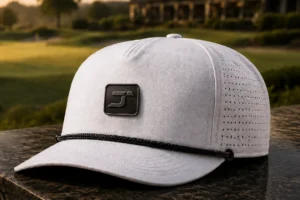
The cap needs to feel good in hand, sit well on head, and keep its shape after real use.
It should fit your brand, not someone else’s
A cap can borrow lessons from the category without borrowing another brand’s identity.
That matters more than people think. A lookalike might get attention for a minute, but it rarely builds long-term value.
It should be repeatable
One strong sample does not mean much if the bulk order drifts.
For brands, consistency is part of the product. If the second run feels different from the first one, people notice.
It should work as a business
That means margin, reorderability, production planning, and room to expand the line.
If a cap looks high-end but becomes a headache to scale, it is probably not the right answer.
Why some caps look great online and still disappoint in hand
This is where a lot of brands get tripped up.
A cap can photograph well, sound polished in the copy, and still feel underwhelming the second you touch it.
Usually the problem comes from one of these places:
- the fabric looks better than it feels
- the crown shape is off
- the brim is inconsistent
- the sweatband feels too basic
- the inside finishing is rough
- the approved sample and the bulk run are not really the same hat
That last one is the quiet killer.
A lot of suppliers can make a good sample. Far fewer can hold that quality once the order gets bigger, more colorways get added, or repeat orders start coming in.
That is why brands often move from broad searches like “best premium hats” or “high-end caps” into more commercial searches such as private label hat manufacturer, custom caps manufacturer, OEM hat manufacturer, ODM headwear supplier, and high quality hat manufacturer.
At that point, the issue is no longer inspiration.
It is execution.
What brands should compare before choosing a Melin alternative
If you are evaluating options seriously, these are the points that matter most.
Shape
Does the cap look clean from the front, the side, and the top?
A lot of hats look fine from one angle and fall apart from the others. Shape is one of the fastest signals of quality.
Fabric and hand feel
Does the material actually feel better, or does it just sound more technical on paper?
For brands building performance hats, golf caps, or water-resistant caps, the material package has to do more than carry a nice label.
Fit
Does it stay comfortable for hours?
Not ten minutes. Hours.
Bad depth, awkward crown balance, and weak sweatbands can ruin an otherwise good-looking cap.
Trim and finishing
What do the closure, tapes, seams, labels, and inner details tell you?
This is where products quietly reveal whether they were built with care or just styled well for photos.
Production consistency
Can the supplier repeat the same result across sizes, colors, and reorders?
This is where many “good” hats stop being good.
Business fit
Does this route support your margin, lead time, and brand positioning?
A cap can be beautiful and still be the wrong product decision.

The smartest route for most brands
In most cases, the smartest route is not buying another brand’s cap.
It is usually not chasing a wholesale lookalike either.
The strongest long-term move is to build your own high-end cap line with the right private label partner.
That gives you control over the things that actually matter:
- fit
- fabric
- trims
- structure
- branding
- packaging
- quality standards
- long-term product direction
That does not make the process easier.
It makes the upside bigger.
You are not just finding an alternative. You are building one.
Can brands build Melin-level quality without copying Melin?
Yes, and they should.
The goal is not to recreate someone else’s hat stitch for stitch. The goal is to understand what makes a cap feel sharp, comfortable, and worth the higher price, then apply those lessons in a way that fits your own customer and your own brand.
That usually means paying attention to things like:
- how structured the cap should feel
- what kind of comfort your customer expects
- which materials support the intended use
- what finishing details actually raise perceived value
- how to keep the product stable across production runs
This is where brands either build something real or end up with a watered-down imitation that does not fully satisfy anyone.
The good news is that quality is absolutely buildable.
It just has to be built on purpose.

What to look for in a private label hat manufacturer
If you are going to build your own line, the manufacturer matters as much as the concept.
A strong private label hat manufacturer should help you make better product decisions, not just produce units.
Product development support
You want a partner that can speak clearly about fit, crown shape, materials, trims, decoration methods, closures, and finishing.
Not every fabric is right. Not every structure works. Not every idea should move forward unchanged.
A good custom hat manufacturer helps refine the product before mistakes get expensive.
Material sourcing depth
This matters a lot in higher-end headwear.
If the supplier has shallow sourcing, your product ceiling shows up early. That is especially true for performance caps, premium baseball caps, golf hats, and custom performance hats.
Real quality control
You want process, not vague promises.
That means incoming material checks, pre-production confirmation, inline inspection, finishing review, and repeat-order consistency.
When brands talk about better consistency or material performance, that conversation often connects back to recognized industry bodies like AATCC e ISO. Standards and process discipline usually matter far more than marketing language.
Scalability
A nice sample is easy to celebrate. A stable reorder program is much harder to build.
If the supplier gets shaky once volume grows, your product story starts breaking fast.
That is why brands searching for a custom caps manufacturer or premium cap supplier are usually asking the right question. They are not asking who can make one good hat. They are asking who can help build a product line.
Why factory setup matters more than most brands expect
This part gets overlooked all the time.
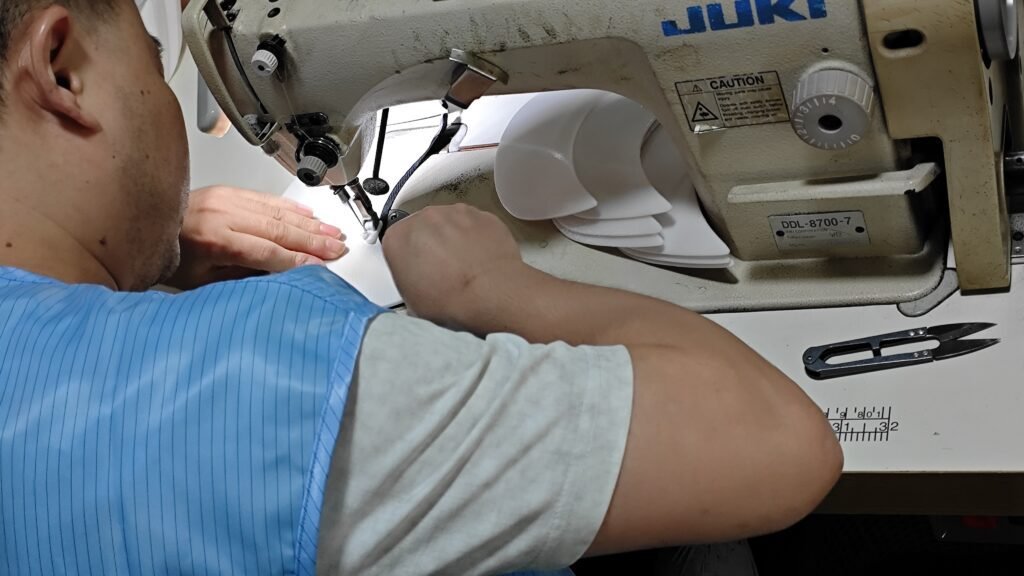
A cap is not just the result of a design. It is also the result of the factory setup behind it: material access, production planning, cost structure, labor capability, and how well the product matches the manufacturing route.
That is why comparing a hat manufacturer in China, a hat manufacturer in Vietnam, or a hat manufacturer in Bangladesh should not be reduced to a simple country choice.
The better question is this:
Which production setup makes the most sense for this cap, this target price, and this stage of the brand?
That is a much smarter way to think about it.
Not every cap should be developed the same way. Some projects need stronger sourcing access. Some need a better cost balance. Some need more flexibility as the line grows.
Where Unisciti a Top fits in
This is where Unisciti a Top makes sense in the conversation.
Not because it “also makes hats.” Plenty of companies do.
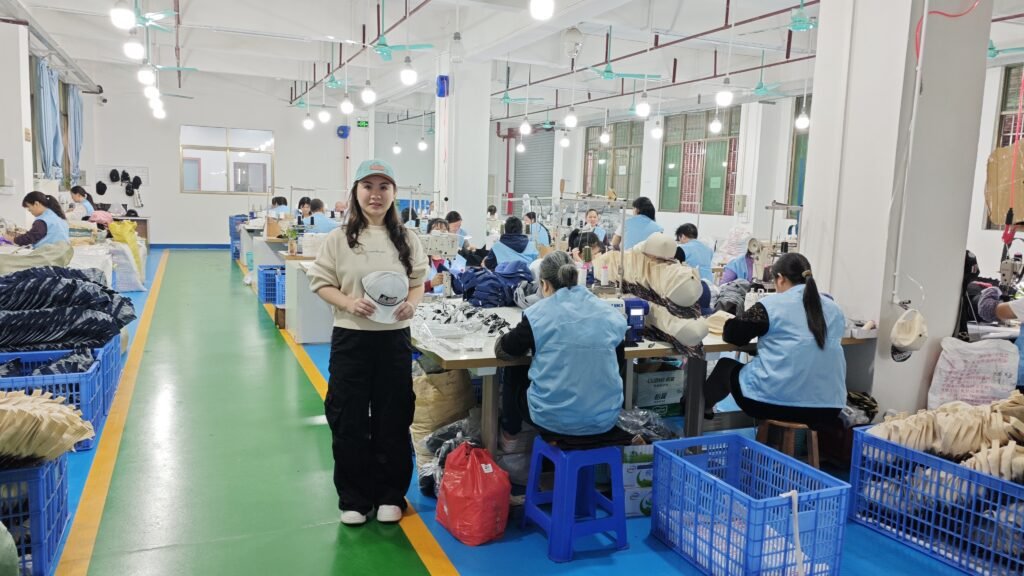
The more useful point is that Unisciti a Top has its own factories in China, Vietnam, and Bangladesh, which gives brands more room to make practical decisions about development and production.
That matters in real-world situations:
- when a brand is balancing quality and target cost
- when a cap style needs a different sourcing path
- when repeat orders need a more stable production plan
- when the first sample is only the start, not the finish line
- when the brand wants to grow beyond one hero style into a broader cap program
So the real value is not just factory count.
It is flexibility.
For brands trying to build a high-end cap line without getting boxed into one rigid setup, that flexibility can make a real difference.
The best Melin alternative for brands, in plain English
If you are a shopper, the best alternative may be another brand.
If you are a brand, the best alternative is usually this:
a well-built private label cap program that gives you control over fit, materials, construction, quality, and long-term growth
That is the better answer because it solves more than the style question.
It solves the business question too.
You are not just asking what looks similar.
You are asking what helps you build something strong enough to sell, reorder, and grow.
That is a different level of decision.
A good Melin alternative for brands is not just a similar hat. It is a smarter path.
That path usually involves learning what makes a cap feel elevated, deciding what matters for your customer, and building your own version with the right manufacturing partner.
That is how brands stop chasing someone else’s standard and start creating one of their own.
You can see that across different parts of the headwear market, whether you look at brands like New Era, ’47, or style-driven players like Sunday Swagger. The details differ, but the larger lesson is the same: strong headwear is built on clear positioning and product discipline, not surface similarity alone.
FAQ
Is there a good Melin alternative for brands, not just consumers?
Yes. For brands, the best alternative is usually not another retail cap. It is a private label product line built around your own fit, materials, and quality standards.
Can I create a hat like Melin without copying the design?
Yes. Brands can build to a similar quality level without copying another brand’s look. The key is strong development, smart material choices, and reliable production.
What makes one high-end cap feel better than another?
Usually it comes down to shape, fabric, comfort, trim details, and consistency. If one of those is off, the cap starts to feel less refined.
Should I use a wholesale supplier or a private label manufacturer?
If speed is the main goal, wholesale may work. If you want better control, stronger differentiation, and a better long-term product path, private label is usually the better option.
Why do factory locations matter for cap production?
Because factory setup affects sourcing options, cost balance, lead time, and production flexibility. Different caps may make sense in different production bases.
Is JoinTop a good fit for higher-end cap development?
For brands developing private label hats, performance caps, or more elevated baseball caps, Unisciti a Top can be a practical option because it has its own factories in China, Vietnam, and Bangladesh and can support more flexible production planning.

 English
  German
  Spanish
  French
  Amharic
  Portuguese
  Italian
  Swedish
  Turkish
  Belarusian
  Danish