Let’s be honest — a cap isn’t just a cap. It’s brand identity, market positioning, and product quality all rolled into one. The stitching, the crown shape, the fit — it all sends a message. So picking the right manufacturer? That’s not a task you want to phone in.
The right cap partner isn’t just a supplier. They’re part of your brand’s backend — delivering consistent quality, flexible MOQs, material options, and real support. Whether you’re sourcing from China, Vietnam, or Bangladesh, you need a partner with real production depth.
Let’s break down what that looks like.
What Should You Expect from a Cap Manufacturer?
It’s not about whether they can make a cap. It’s about whether they can make your cap — the exact one you’ve envisioned for your audience, your market, and your quality tier.
A real manufacturing partner should bring a mix of engineering, production know-how, and design translation. You send them a tech pack or a sketch — they should know what questions to ask:
- Does this panel shape work with your fabric?
- Is that closure compatible with your target retail price?
- What reinforcement will this crown need to maintain its shape?
You also want to assess their communication style. Ask yourself:
- Do they understand your brief without excessive back-and-forth?
- Are they pushing back where needed, or just saying “yes” to everything?
- Can they suggest smarter alternatives when needed?
The best factories aren’t passive vendors. They’re active partners who add thinking to the process — especially when it comes to construction, costs, or sourcing options you haven’t considered yet.

Can They Hit Your Quality Standards — Consistently?
Everyone can send one good sample. But how do they handle repeat runs? That’s where quality control either shows up — or cracks under pressure.
Here’s how experienced brands evaluate manufacturer quality:
- Stitch Count & Placement: Low-end caps have ~6–8 stitches per inch; high-end builds run 10–12. Look at seam consistency inside and out.
- Brim Stability: Does the visor bounce back after pressure? Cheap visors collapse or warp.
- Crown Reinforcement: Unstructured caps need balance between slouch and shape; structured ones must hold form during shipping and wear.
- Color Accuracy: Pantone-matched dyes should hold true across batches. Ask for a lab dip or swatch approval process.
- Trim Finishing: Look at button wraps, ventilation eyelets, taping, and even sweatbands. These details separate “decent” from “premium.”
Ask if they maintain in-house QC teams or rely solely on external audits. At JoinTop, every run goes through multi-stage checks: fabric inspection, sample stage verification, inline production QC, and pre-packing review.
It’s not about being picky. It’s about making sure your customer opens the box and gets exactly what you promised — every time.
OEM Builds and Real Customization
There’s “customization” — and then there’s OEM-level product development. A manufacturer offering real OEM support should be helping you create a new cap, not just branding an existing one.
Here’s how to test their real capabilities:
- Custom Patterns: Can they help you draft or adjust panel patterns (e.g., modify a standard 6-panel to a mid-crown 5-panel with flat brim)?
- Material Testing: Will they send swatches with stretch, stiffness, and durability ratings? Do they test shrinkage and colorfastness post-wash?
- Logo Application Methods: Can they do 3D embroidery, felt patch, woven label, silicon badge — and explain which works best for your look and budget?
- Interior Details: Do they offer options for seam taping, sublimated sweatbands, private-label size tags, QR code woven labels?
- Sampling Control: How many sample rounds do they support? What’s their timeline from concept to confirmation?
This is where value engineering matters. A strong OEM partner like JoinTop doesn’t just ask “what do you want?” — we suggest options that achieve the same look for less weight, fewer materials, or better fit.
The goal is brand-level output without overengineering costs.
Also, ensure they offer safe and certified materials. For example, we support fabrics backed by OEKO-TEX® Standard 100 och recycled polyester options when sustainability is a brand focus.
Domestic vs Overseas: What’s Actually Better?
Domestic manufacturing gives you:
- Easier communication
- Fewer import challenges
- Faster sample shipping
But it also usually comes with:
- Higher pricing
- Limited customizations
- Less material diversity
Meanwhile, smart overseas production offers:
- More sourcing options, especially technical or eco fabrics
- Competitive costs
- Access to experienced labor and flexible lines
- Better scalability over time
Check platforms like Fibre2Fashion to explore current sourcing trends.
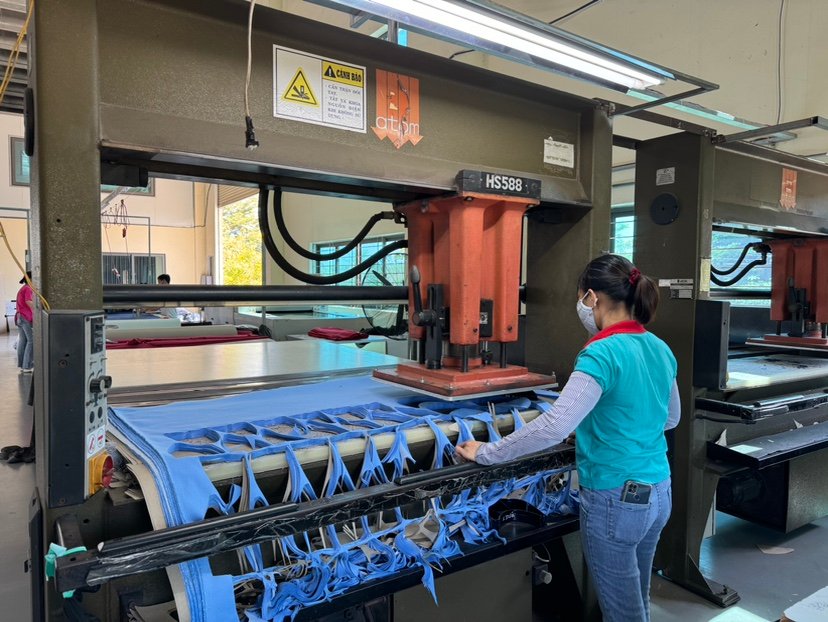
At JoinTop, we operate in China, Vietnam, and Bangladesh — and assign production based on project needs. That means we’re not just “offshoring.” We’re managing the right build, in the right place, for the right result.
Why Low MOQs Still Matter
MOQ isn’t just a number — it’s a reflection of whether your factory understands modern brand cycles.
Not every brand launches with a 5,000-piece run. Many need:
- Limited edition drops
- Influencer collabs
- Small test runs for retail buyers
A good partner lets you start small — and scale up.
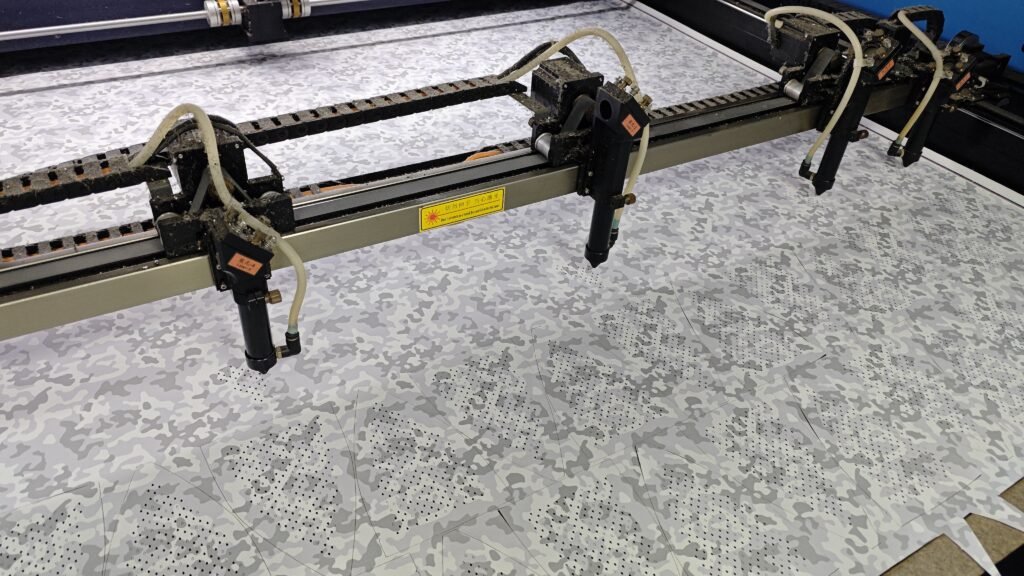
Vid JoinTop, we offer production starting from 100–300 units. We also support color splits, progressive scale-up, and private label finishing even at low volumes.
Ask your manufacturer if they can store trim inventory, combine PO shipments, or reserve slot capacity during peak season. These are operational advantages that save cost and headache long-term.
For Startups and Established Brands — The Needs Are Different
If you’re a startup:
- You need room to iterate, test, and evolve
- You’ll likely need help with sampling, sourcing, and pricing strategy
- Your MOQ and timelines may be tighter
- You want fast feedback and access to real humans
If you’re established:
- You need consistency, reliability, and tight QC
- You probably work with seasonal calendars, retail partners, or e-comm drops
- You care about unit economics, freight, packaging, and delivery coordination
- You expect responsiveness and strategic flexibility
At JoinTop, we serve both. We’ve helped first-time founders build their first SKU — and supported growing brands scaling across North America, Europe, and Asia.
Your manufacturer should evolve with you — not hold you back.

JoinTop: Quietly Building for the Brands You Know
We’ve been manufacturing hats for over 15 years. Some of the cleanest builds you’ve seen? We’ve been behind them — just without the branding.
We support:
- Fully custom OEM builds
- Private label finishing
- Performance and lifestyle cap styles
- Three-country production flexibility
- Full sampling and QC process
- Reliable timelines and clear communication
Want to see how we compare with others? Here’s a useful reference guide: Top 7 Baseball Cap Manufacturers for Custom Brands
Before You Choose a Manufacturer — Ask Yourself This
- Can they bring my vision to life, not just decorate blanks?
- Do they offer support across design, materials, and production?
- Are their timelines, pricing, and MOQs realistic for my brand stage?
- Can I trust them with repeat orders and long-term partnerships?
If you’re looking for a cap manufacturing partner who actually listens — and builds at the quality your customers expect — we’re here to talk.



 Swedish
  English
  German
  Spanish
  French
  Amharic
  Portuguese
  Italian
  Turkish
  Belarusian
  Danish