
If you’re running a hat brand in the U.S., you’ve likely seen the shift.
Retail buyers ask for compliance documents. Consumers check material labels. Large accounts want transparency before approving vendors. Sustainability is no longer a marketing angle — it’s part of supplier qualification.
So the real question becomes:
What eco friendly hat materials actually make sense — not just in theory, but in real production at scale?
The Practical Answer
For most U.S. brands, the most workable eco friendly hat materials today are organic cotton, recycled polyester (rPET), recycled nylon, hemp, and certified sustainable wool.
However, fabric selection alone does not determine sustainability. Long-term success depends on whether your manufacturing partner can source certified materials, manage production responsibly, and scale wholesale orders without compromising consistency.
Material choice and manufacturing infrastructure must work together.

How Sourcing Teams Evaluate Sustainable Hat Materials
When brands evaluate eco friendly baseball cap materials for bulk production, the conversation usually focuses on four factors: sustainability impact, scalability, performance, and cost.
| Material | Sustainability Impact | Scalability | Performance | Cost Level | Best For |
|---|---|---|---|---|---|
| Organic Cotton | Reduced chemical usage | Moderate | Soft, breathable | $$ | Lifestyle caps |
| Recycled Polyester (rPET) | Reduces plastic waste, lower energy use vs virgin polyester | High | Durable, moisture-wicking | $ | Structured & performance caps |
| Recycled Nylon | Regenerated industrial waste | Moderate | High durability | $$$ | Technical headwear |
| Hemp | Low water usage crop | Limited | Andningsbar | $$ | Outdoor / heritage styles |
| Sustainable Wool | Renewable natural fiber | Moderate | Premium warmth | $$$ | Seasonal collections |
For brands producing structured caps in volume, recycled polyester is often the most operationally reliable option.
Not because it is trendy, but because it performs and scales.
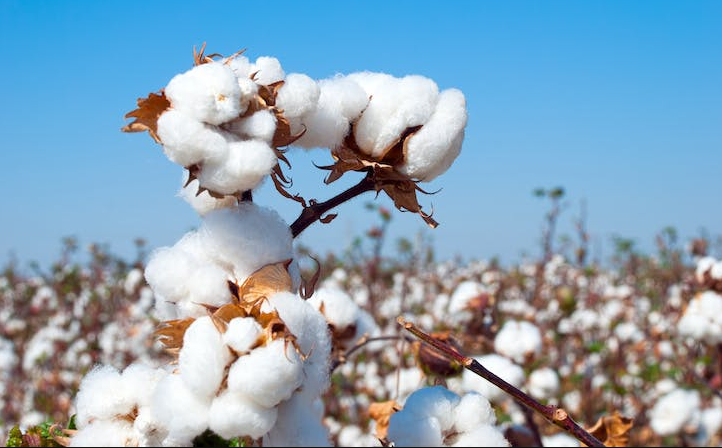
Organic Cotton
Organic cotton remains a popular choice for:
- Dad hats
- Unstructured 6-panel caps
- Lifestyle collections
It offers an easy sustainability story and strong consumer recognition. However, certified supply can fluctuate depending on season and region, which may impact lead times during peak production periods.
It works well — but planning is essential.

Recycled Polyester (rPET)
For structured baseball caps produced at scale, recycled polyester is currently the most practical eco friendly hat material USA brands rely on.
Key advantages include:
- Stable mill availability
- Strong durability
- Compatibility with structured crowns
- GRS certification access
- Consistent dye performance in large runs
Brands producing custom sustainable baseball caps at 50,000+ units per season often choose rPET because it balances environmental impact with production stability.
It allows sustainable hats wholesale programs to operate without constant material volatility.
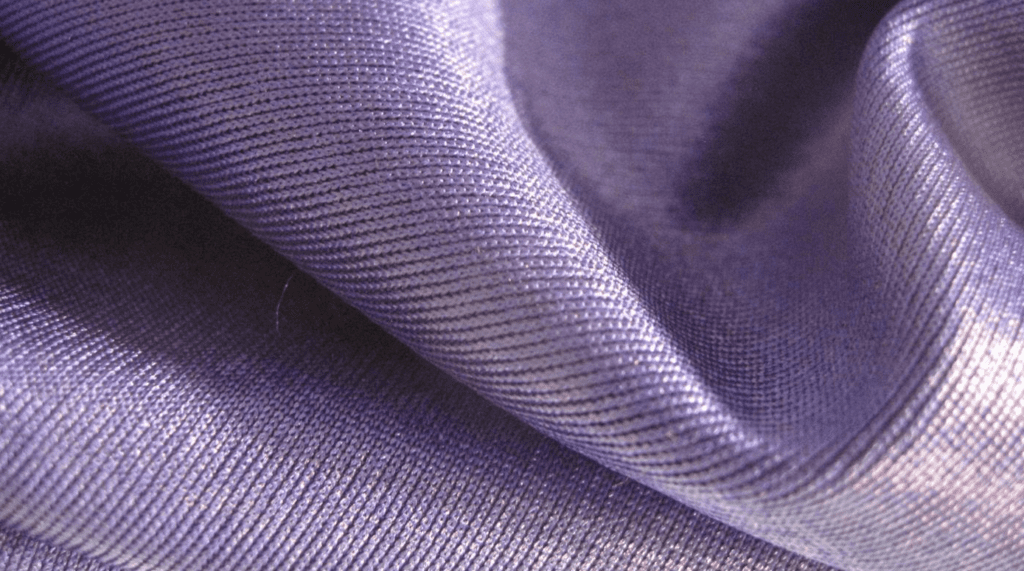
Recycled Nylon
Recycled nylon is commonly used in:
- Golf caps
- Technical performance hats
- Water-resistant headwear
It carries a higher cost but supports premium positioning. For brands operating in performance-driven segments, recycled nylon can align well with both sustainability goals and product expectations.
Hemp
Hemp is known for:
- Lower water requirements
- Rapid crop growth
- Natural aesthetic
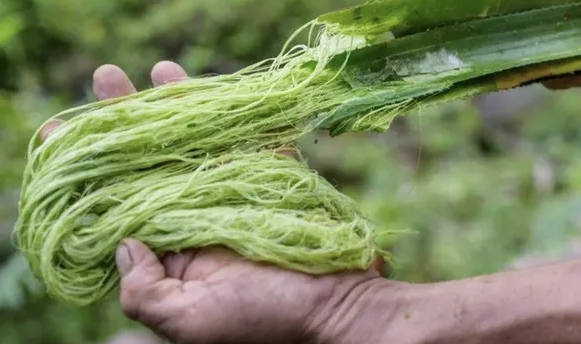
It works well in relaxed silhouettes and outdoor collections. However, hemp is less compatible with highly structured caps, making it better suited for niche or heritage-focused lines.
Sustainable Wool and Natural Fibers
Certified wool, raffia, and straw are typically used in seasonal or limited collections. These materials offer strong storytelling value and premium positioning but are less common in large-scale structured cap production.
What Is the Most Environmentally Friendly Fabric for Baseball Caps?
There is no single universal answer.
For lifestyle-focused caps, organic cotton is often appropriate.
For structured performance caps at scale, recycled polyester typically offers the best balance of sustainability, durability, and cost efficiency.
For specialty lines, hemp or recycled nylon may fit better.
The most environmentally responsible decision depends on your product category, pricing strategy, and production volume.
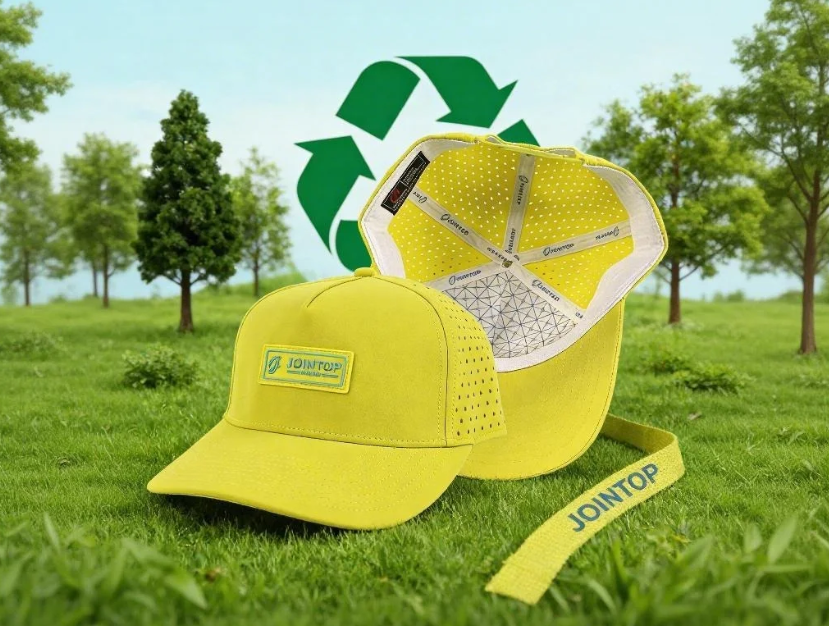
Manufacturing Infrastructure Matters More Than Most Brands Expect
Selecting eco friendly hat materials is only the first step.
Scaling sustainable headwear manufacturing requires:
- Access to certified recycled fabric mills
- Consistent trim sourcing
- Recycled visor board options
- Social compliance audits
- Strong quality control systems
Many sustainable cap factory ecosystems are concentrated in Asia because recycled yarn mills and structured component suppliers are deeply integrated there.
Countries such as China, Vietnam, and Bangladesh offer strong mill networks and established cap manufacturing infrastructure.
Manufacturers operating across these regions, including JoinTop, are positioned to coordinate recycled fabrics, trim development, sampling, and bulk production within a unified system. That integration supports private label sustainable hats and bulk eco friendly hats with greater consistency.
Sustainability becomes viable when the supply chain is built to support it.
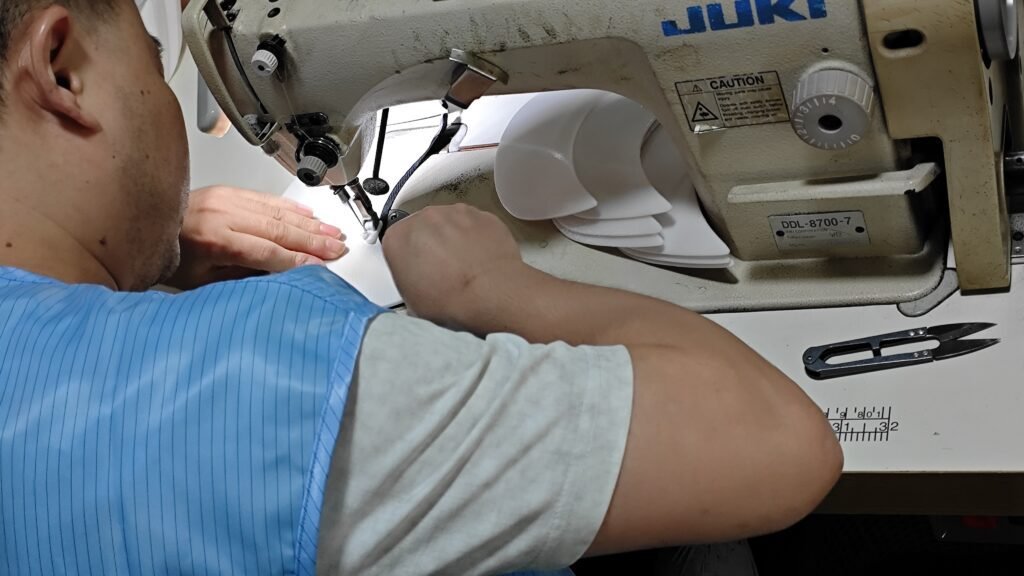
How to Evaluate a Sustainable Hat Manufacturer
If you are searching for a sustainable hat manufacturer or eco friendly hat supplier, consider the following:
Certification Transparency
- GRS (Global Recycled Standard)
- OEKO-TEX
- Social compliance audits
- Traceable sourcing documentation
Vertical Integration
- In-house sampling capability
- Direct mill relationships
- Internal quality control systems
Scalability
- Ability to manage 30,000–100,000+ units
- Stable lead times during peak seasons
- Consistent bulk production standards
Multi-Country Production Flexibility
Diversified production across regions such as China, Vietnam, and Bangladesh can reduce tariff risk and improve supply chain resilience.
Sustainability must remain consistent as your brand grows.
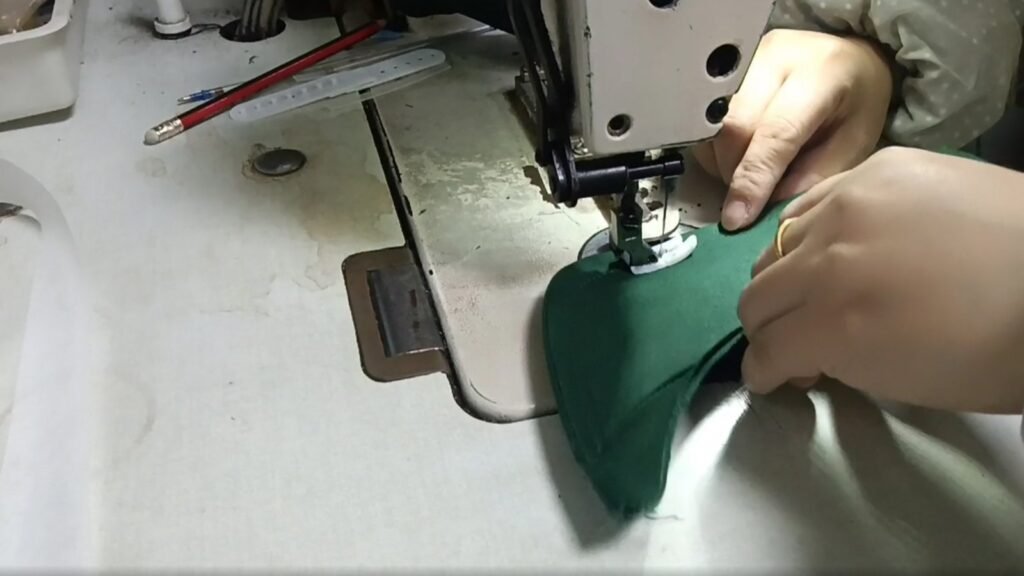
A Realistic View on Domestic vs Overseas Production
Domestic production offers certain advantages for niche projects. However, most certified recycled yarn mills and structured cap component ecosystems remain concentrated in Asia.
For brands producing sustainable hats wholesale at scale, access to those mill networks often determines feasibility.
Sustainability is a global supply chain effort, and sourcing strategies should reflect that reality.
Avoiding Greenwashing
Consumers and retail buyers increasingly verify sustainability claims.
Brands should be prepared to provide:
- Certification documentation
- Transparent material composition
- Clear sourcing information
Strong sustainable hat brands rely on documented systems rather than marketing language.
Eco friendly hat materials USA sourcing is shifting from differentiation to expectation.
Organic cotton builds consumer trust.
Recycled polyester enables scalable production.
Hemp and natural fibers add authenticity.
Certified manufacturing validates claims.
In the coming years, sustainable headwear will not be defined by a single fabric choice.
It will be defined by whether your supply chain is engineered to support sustainability at scale.




 Swedish
  English
  German
  Spanish
  French
  Amharic
  Portuguese
  Italian
  Turkish
  Belarusian
  Danish