Here is a truth that hat brand owners learn the hard way: a great logo on a cheap fabric is like putting premium gas in a car with flat tires. It looks fine in the parking lot, but it falls apart the moment things get real.
If you are building a headwear brand, material choice is not a detail. It is the foundation. Your customers will stretch the hat over their knee, throw it in the washing machine, leave it on the dashboard in July, and somehow still expect it to look good. The fabric you pick decides whether that hat survives or turns into a sad, faded pancake.
So let us talk about the best durable materials for custom hats — what actually holds up, what does not, and how to pick the right one for your brand without overthinking it.
Why Fabric Durability Matters More Than You Think
A Textile Exchange report shows that fabric performance is now the top purchasing factor for 74% of apparel buyers, ahead of price and style. Translation: your customers are paying attention to what their hats are made of. A hat that fades after two washes does not just lose a customer — it kills your brand reputation. Reviews travel fast.
The good news? You do not need a textile engineering degree to get this right. You just need to know which materials do the heavy lifting.
The Heavy Hitters: Most Durable Hat Materials
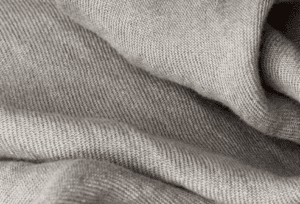
1. Heavyweight Cotton Twill (The Gold Standard)
Cotton twill is the Kevin Bacon of hat fabrics — it has been around forever and it never goes out of style. The diagonal weave gives it natural strength and structure. Look for a high thread count like 108×58 construction for a premium feel that holds its shape after months of wear.
Best for: Classic snapbacks, dad hats, and structured six-panel caps.
Durability score: High. It takes embroidery beautifully and develops a nice patina over time instead of just looking worn out.
Watch out for: Cotton can shrink. Make sure your manufacturer pre-shrinks the fabric before cutting. If they look confused when you ask about this, find a new manufacturer.

2. Polyester (The Tank)
If durability had a mascot, it would be polyester. This stuff is nearly indestructible. It resists wrinkles, holds color like a champion, and does not care about rain, sweat, or sun. Modern polyester also wicks moisture, which is why it shows up in almost every performance and premium performance hat on the market.
Best for: Sports caps, golf hats, outdoor headwear, and trucker mesh panels.
Durability score: Very high. Colors stay vibrant after dozens of washes. The fabric maintains its shape without breaking a sweat — literally.
Watch out for: Polyester is less breathable than cotton. For hot-weather hats, look for laser-perforated panels or mesh combinations to keep air flowing.
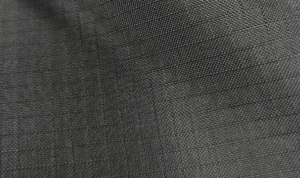
3. Ripstop Nylon (The Outdoor Warrior)
Ripstop nylon is the fabric you want when your customer is going to sweat, hike, fish, or get caught in a downpour. The grid-pattern weave stops tears from spreading — hence the name “ripstop.” It is lightweight, water-resistant, and tough as nails.
Best for: Five-panel camp caps, running hats, and outdoor lifestyle caps.
Durability score: Extremely high. This is the same fabric family used in military gear and parachutes. Your hat will be fine.
Watch out for: Thin nylon does not play well with 3D puff embroidery. Use flat embroidery, woven patches, or silicone patches instead for a clean look.
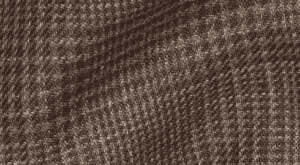
4. Wool Blends (The Premium Pick)
An 80/20 acrylic-wool blend gives you that classic, structured, high-crown look that feels substantial and expensive. Wool naturally resists odors, holds its shape, and looks sharper longer than most synthetics. It is the go-to for premium snapbacks and winter headwear.
Best for: Flat-brim snapbacks, fitted caps, and cold-weather collections.
Durability score: High. Wool is naturally resilient and bounces back from compression better than most fabrics.
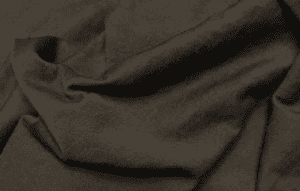
5. Cotton-Poly Blends (The Best of Both Worlds)
Cannot decide between cotton and polyester? Get both. A 60/40 or 50/50 cotton-poly blend gives you the softness and breathability of cotton with the durability and color retention of polyester. It is the most versatile option on this list.
Best for: Corporate merchandise, promotional caps, and everyday lifestyle hats.
Durability score: High. Wrinkle-resistant, color-fast, and comfortable enough for all-day wear.
How Fabric Choice Affects Your Logo
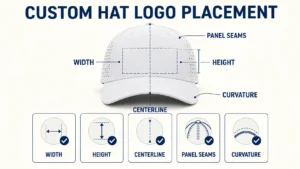
Here is something most guides skip: your fabric choice directly impacts how your logo looks. Heavy fabrics like cotton twill and wool blends handle 3D puff embroidery perfectly because the thick material supports the foam underneath. Thin, lightweight fabrics like nylon? Not so much. The fabric puckers around heavy stitching, and your logo ends up looking like it was applied by someone wearing mittens.
The rule is simple: match your decoration method to your fabric. Heavy fabric? Go wild with 3D embroidery. Lightweight fabric? Stick with flat embroidery, woven labels, or rubber patches. If you want to dive deeper into logo methods, our 2025 headwear trend guide covers this in detail.
Cost, MOQ, and Lead Time: The Real-World Stuff
Durable materials do not cost dramatically more — but they do behave differently in production. Here is the honest breakdown:
- Cotton twill: Affordable, widely available, short lead time. Most factories stock it.
- Polyester performance fabrics: Slightly higher cost, but the margin improvement at retail more than covers it.
- Ripstop nylon: Moderate cost, longer lead time if you need custom colors. Order early.
- Wool blends: Higher cost, seasonal availability. Plan ahead for winter collections.
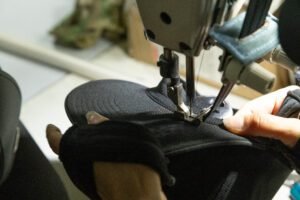
This is where having the right manufacturing partner makes a real difference. At JoinTop, our production teams across factories in China, Vietnam, and Bangladesh have spent over 20 years working with every fabric on this list. We know that ripstop nylon needs different tension settings than cotton twill, that wool blends require adjusted stitch density, and that polyester performance fabric behaves differently when you add a DWR water-repellent finish. These are the small details that separate a hat that lasts two seasons from one that lasts two weeks.
The point is not to brag — it is to say that making genuinely durable headwear takes real production experience, not just picking the right fabric from a swatch book.
Quick Checklist: Picking Your Material
Before you place your next order, run through this:
- Who is wearing it? (Athletes need polyester. Lifestyle buyers love cotton twill. Outdoor folks want ripstop.)
- What is the climate? (Breathable fabrics for summer. Wool blends for winter. Water-resistant fabrics for rain.)
- How complex is your logo? (Detailed logos need smooth, tightly woven fabric. Simple logos work anywhere.)
- What is your price point? (Cotton and blends are budget-friendly. Performance fabrics command higher retail.)
- How long should it last? (If you want repeat purchases based on quality, not just replacement, invest in durability upfront.)
The Bottom Line
Here is the thing: your hat’s durability is decided before it ever touches a sewing machine. It is decided the moment you pick a fabric. Choose wisely, and your customers will wear your hat for years — and come back for more. Choose poorly, and you will spend your time handling complaints and replacement orders instead of growing your brand.
The best durable materials for custom hats are not a secret. Cotton twill, polyester, ripstop nylon, wool blends, and cotton-poly blends have earned their spot at the top for good reasons. The secret is knowing how to match the right material to the right product — and working with a factory that actually understands the difference.
Thinking about your next hat collection? Start with the right materials — and the right manufacturing partner. Your brand’s reputation is literally on someone’s head. Make it count.

 English
  German
  Spanish
  French
  Amharic
  Portuguese
  Italian
  Swedish
  Turkish
  Belarusian
  Danish