A lot of brands say they want a premium hat.
What they really want is a cap that looks sharp, feels great in hand, fits well, holds its shape, and still looks right after real customers wear it in real life.
That sounds simple. It usually is not.
A hat can look amazing in a mockup and still feel disappointing when the sample arrives. The fabric may feel flat. The crown may sit awkwardly. The sweatband may feel cheap. The logo may be technically correct but still not look premium. And suddenly the product that was supposed to elevate the brand just feels overpriced.
If your brand wants to build premium custom hats, the goal is not to make a basic cap with a higher price tag. The goal is to make a hat that feels well thought out from the fabric and fit to the trim details, comfort, and final finish. That takes the right product decisions and the right custom hat manufacturer behind them.
That is where premium hats are won or lost.
Why Some Custom Hats Feel Premium and Others Do Not
Most people cannot explain why one hat feels better than another.
They just know it the moment they put it on.
That reaction usually comes from a few things working together at the same time. The material feels better. The shape sits better. The inside feels cleaner. The details look more intentional. The whole product feels more consistent.
That last part matters a lot.
A premium hat rarely stands out because of one flashy feature. It stands out because nothing feels random. The shell fabric makes sense. The brim feels balanced. The logo method fits the style. The closure does not feel like an afterthought. The inside of the hat looks like someone actually cared.
That is why premium custom hats, luxury baseball caps, and custom performance hats are harder to develop than they look. They are simple products, but they are not easy products.
Start With the Material, Not the Mood Board
If the material feels average, the hat will probably feel average too.
A lot of brands spend too much time talking about logo size and not enough time talking about fabric behavior. But when customers touch the hat, they are not touching the brand story. They are touching the material.
For premium hats, material choice shapes the first impression immediately.
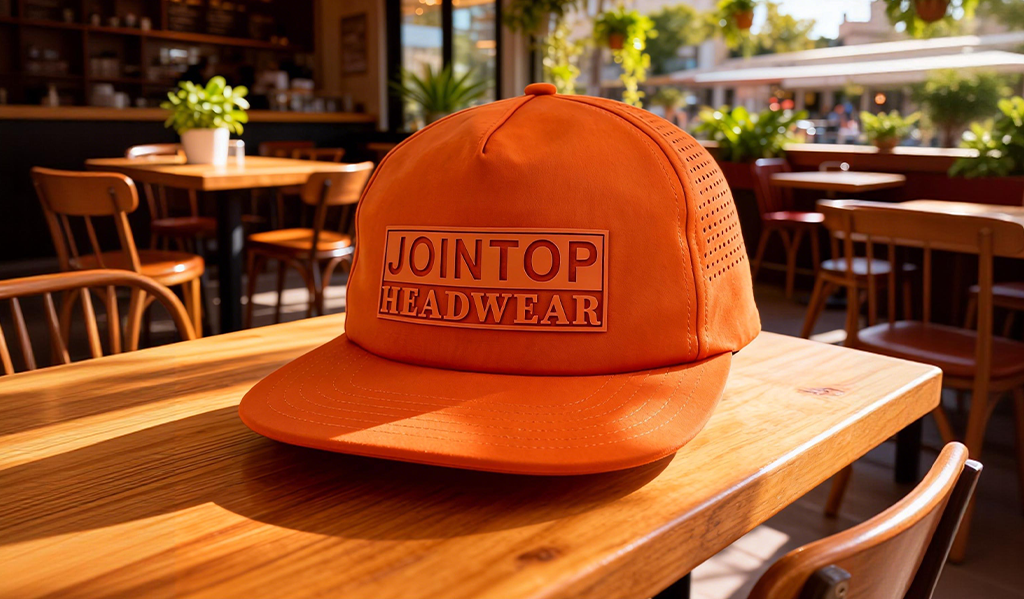
In the U.S. market, strong premium styles often lean into clean performance woven fabrics, lightweight technical blends, matte-finish shell materials, water-resistant fabrics, breathable constructions, and upgraded comfort materials on the inside.
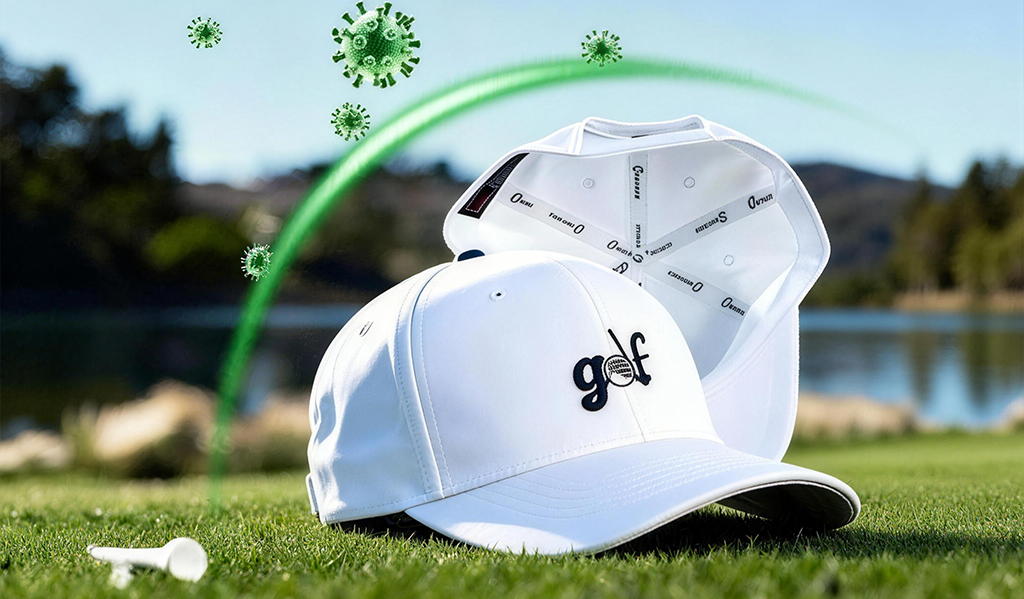
That is one reason terms like water resistant hats, moisture wicking hats, and custom performance hats matter. They are not just useful keywords. They reflect what customers now expect from premium headwear.
A premium hat today usually needs to do more than look good on a shelf. It needs to feel wearable, comfortable, and built for daily use.
The Shell Fabric Sets the Tone
The outer fabric decides a lot.
If it is too shiny, the hat can feel cheap. If it is too thin, it can feel flimsy. If it is too stiff, it can look forced.
A good shell fabric helps the hat feel clean, modern, and intentional before the customer even notices the logo.
The Sweatband Matters More Than Most Brands Expect
This is one of the easiest places to cut corners and one of the fastest ways to ruin a premium product.
A premium sweatband should feel smooth and comfortable. It should support wear, not remind the customer that the inside was treated like an afterthought. If the inside feels low-grade, the outside usually cannot save it.
For brands building higher-end headwear, this is not a tiny detail. It is part of the product experience.
Inside Finishing Quietly Affects Perceived Value
Good interior taping, cleaner seams, better underbill materials, and balanced finishing all make a hat feel more polished.
Most customers will not point to those details one by one. They will simply decide that one hat feels better than another.
That is where a capable private label hat manufacturer ou custom headwear supplier becomes useful. The job is not just to produce the hat. The job is to help the product feel right.
For brands that want to better understand broader textile safety language, OEKO-TEX® STANDARD 100 is one of the recognized certification systems in the textile space.
Fit and Shape Do More Work Than People Realize
A premium hat should hold its shape, but it should not feel stiff or awkward.
That balance is harder to get right than it sounds.
The difference between a hat that looks premium and one that looks almost premium usually comes down to crown shape, panel proportion, brim balance, and fit development.
Crown Shape
Some brands want a stronger front panel. Others want a more refined, lower-profile look.
Both can work.
What matters is that the structure matches the product direction. If the crown caves too easily, the hat can feel cheap. If it stands too aggressively, it can feel unnatural. The best premium hats usually sit somewhere in the middle. Clean. Stable. Easy to wear.
Proportion
A few millimeters can change everything.
Crown height, front pitch, visor scale, panel width, and overall depth shape how the hat looks on an actual head, not just in a tech file. That is why fit development matters so much when working with a custom cap manufacturer.
A premium hat is not just about putting a logo on a sample. It is about making the product feel right when somebody actually wears it.
The Brim Cannot Feel Random
The brim affects both comfort and style.
Too soft, and it feels weak. Too rigid, and it feels off. Too thick, and it starts fighting the rest of the silhouette.
A premium brim should feel balanced. Not dramatic. Just right.
That sounds simple. It is not always simple in production.
The Details That Make a Hat Look Expensive
A premium hat usually does not look louder. It looks more controlled.
That is an important difference.
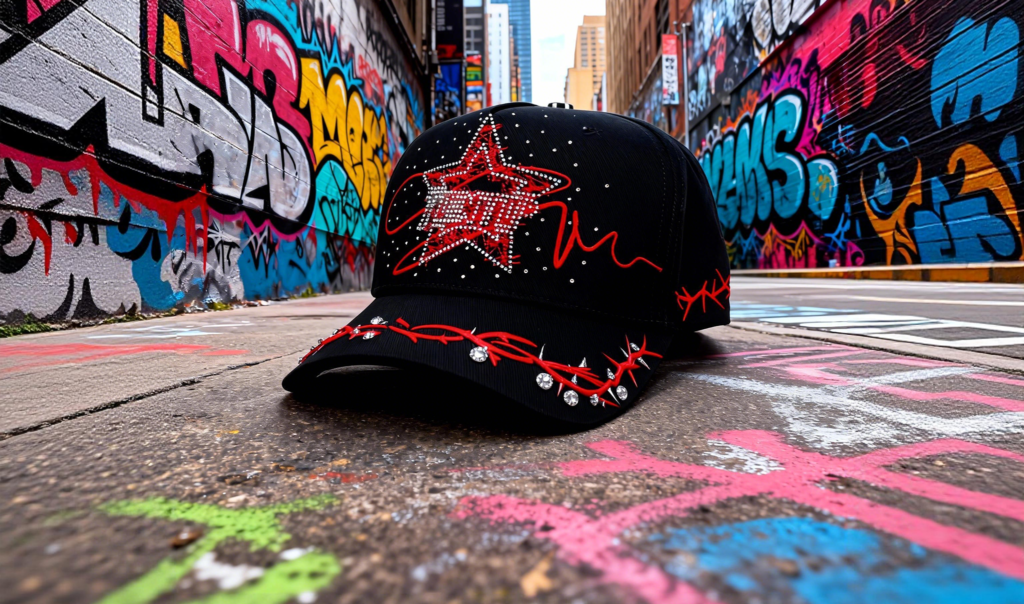
A lot of average hats try to impress by doing too much at once. Premium hats usually feel stronger because the design is edited well. The materials make sense. The branding feels intentional. Nothing is competing for attention.
Branding Should Fit the Product
Raised embroidery, flat embroidery, woven labels, TPU details, silicone patches, rubber logos, and leather patches can all work.
The real question is not which one sounds fanciest. The real question is which one fits the product best.
A technical cap may look better with a cleaner, lower-profile logo treatment. A lifestyle cap may feel stronger with refined embroidery. A premium product works when the branding supports the hat instead of overpowering it.
Closures Matter Too
Snapback, buckle, strapback, elastic fit, and fitted options all create different experiences.
Customers notice how closures feel even if they do not talk about them much. A weak closure can quietly lower the whole product. A good one makes the hat feel more complete.
Color and Material Balance Matter
Sometimes the most premium-looking hat in the room is the quietest one.
A tonal logo on the right matte shell can look far more premium than a louder design with more effort and less control. That is often what separates custom branded hats that feel elevated from hats that feel too merch-driven.
Why Premium Hats Are Harder to Make Than They Look
This is the part many brands only discover after the first sample round.
Premium hats are not just regular hats with better marketing.
They are harder to manufacture because the margin for error is smaller. Better materials can be harder to handle. Cleaner shapes are less forgiving. Premium trims need tighter control. Performance fabrics may behave differently in sampling and in bulk production. Once the target price goes up, customer tolerance goes down.
That is why choosing the right custom hat manufacturer matters so much.
Not every factory that makes hats is built to make premium hats well. Some are great at promotional caps. Some are strong on basic volume. Some are strong on price. That does not make them bad factories. It just means they may not be the best fit for a brand trying to build premium custom hats ou custom performance hats for a more demanding market.
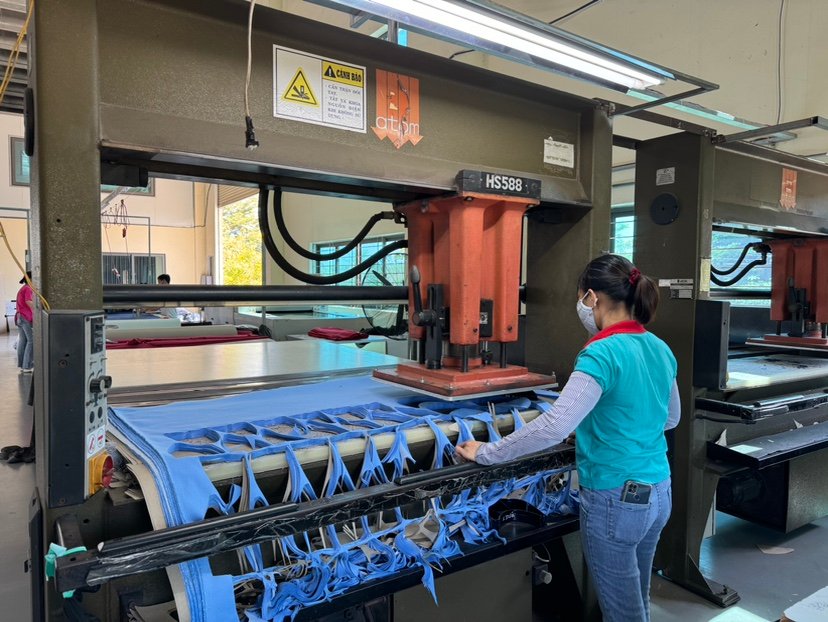
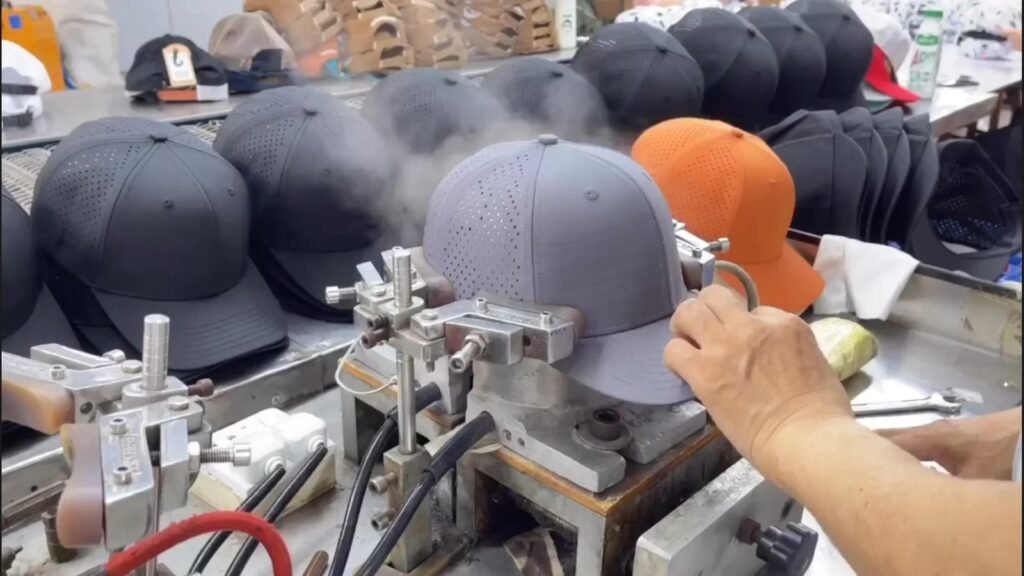
A stronger manufacturing partner should help with fabric and trim matching, shape control, sample refinement, branding method choices, comfort improvements, lead-time planning, and quality consistency in bulk.
That is the real difference between a supplier that makes hats and a supplier that helps a premium product hold up in the market.
When brands need more formal language around textile testing and performance references, organizations like AATCC and ASTM International are widely recognized in the textile and materials industry.
What Brands Should Look for in a Premium Hat Manufacturer
If your brand is trying to develop a higher-end cap, the factory should do more than say yes quickly.
It should help you make better product decisions.
Design Support Matters
Some brands come in with a full tech pack.
Some come in with a reference hat, a logo file, a few screenshots, and a clear idea of what they want the finished product to feel like.
Both are normal.
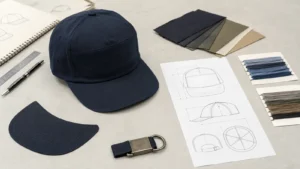
That is why in-house design support can be so valuable. At JoinTop, we have our own designers, which helps brands move from concept to a more production-ready product with fewer blind spots. That may mean adjusting the structure, improving trim choices, refining branding placement, or matching the right materials to the right look.
A good supplier does not just follow instructions. A good supplier helps improve the end result.
Communication Matters More Than People Expect
Premium hat development usually needs real discussion.
A lot of problems get solved faster in a short call than in a long email thread that keeps getting more polite and less useful.
That is why JoinTop regularly supports customers through video meetings. It makes it easier to review samples, discuss revisions, compare options, and keep decisions moving.
For premium products, that kind of communication is not extra. It is part of the process.
Service Matters
A premium project needs more than output. It needs coordination.
Brands need updates that make sense. They need realistic planning. They need answers when things change. They need a team that can keep track of details without turning the whole project into a full-time follow-up job.
That service layer is one of the things buyers remember long after the order is placed.
Long-Term Cooperation Matters Too
Strong hat programs usually do not stop at one style.
A brand gets one product right, then expands into new colors, new trims, seasonal drops, or new silhouettes. That is why long-term communication matters.
JoinTop regularly visits customers as part of building better working relationships and better understanding how their product direction is evolving over time. For many brands, that kind of connection makes future development smoother.
China, Vietnam, or Bangladesh: Which Setup Makes the Most Sense?
This question sounds like it should have a simple answer.
It usually does not.
The better question is not which country is best. The better question is which country is best for a specific hat program.
China
China is often a strong choice when brands need broader material options, trim flexibility, faster development, and support for more detailed product work.
Vietnam
Vietnam can be a strong fit for brands looking for quality, stability, and a more balanced sourcing strategy as part of their production plan.
Bangladesh
Bangladesh can make sense in larger sourcing plans where scalability and cost structure play a bigger role.
At JoinTop, we have our own factories in China, Vietnam, and Bangladesh. That gives brands more flexibility to make sourcing decisions based on product needs instead of trying to force every project through one path.
Some hats need faster development. Some need different capacity planning. Some need country diversification from the beginning. A multi-country setup helps with that.
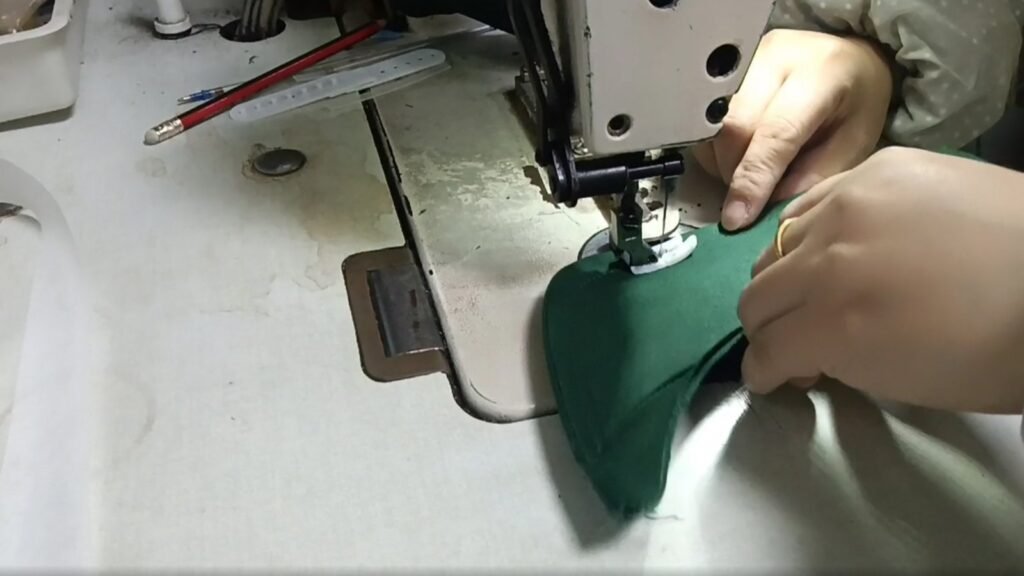
Sample Time and Production Time: What Brands Should Actually Expect
Timing matters, and every brand asks about it early for a reason.
For premium hat programs, the timeline depends on fabric availability, logo method, trim complexity, revision rounds, and production planning.
Still, it helps to set realistic expectations.
For many premium styles, sample development can often be arranged in around 7 to 14 days.
Bulk production is often planned around 25 to 35 days after final approval, depending on the style, materials, quantity, and production schedule.
The important part is not making the timeline sound fast. The important part is making the timeline real.
At JoinTop, we prefer to discuss sampling and production timing clearly from the beginning so brands can plan with more confidence and fewer surprises later.
What Brands Usually Need Help With Before Placing an Order
When brands start looking for a premium hat manufacturer, they are usually trying to solve a few practical problems at the same time.
They may need help with product direction because they know the look they want but not yet the best way to build it.
They may need help with material choices because the fabric and trims need to support both the price point and the product story.
They may need help with sample refinement because premium products usually require real review and adjustment, not just one quick sample.
They may need help with communication because a project moves better when details are explained clearly and decisions do not get lost.
They may need help with production planning because lead times need to be realistic and the setup needs to match the brand’s actual goals.
That is why strong service, design support, video communication, and a practical development process matter so much in this category.
FAQ: What Brands Usually Ask Before Starting a Premium Hat Project
What makes a custom hat feel premium?
Usually a combination of better materials, cleaner shape, stronger comfort details, more refined branding, and more consistent construction.
Can a private label hat manufacturer make premium hats?
Yes, but only if the manufacturer can manage materials, fit, shape, trims, and sample development at a higher standard.
How long does sampling usually take?
For many premium projects, around 7 to 14 days is a common planning range, depending on complexity.
How long does bulk production take?
Many programs are planned around 25 to 35 days after final approval, though exact timing depends on the style and order setup.
Can the manufacturer help with design and development?
A stronger supplier should be able to. That includes material suggestions, structure advice, branding methods, and sample improvement support.
Why do video meetings help?
Because premium details are easier to review in real time. That reduces confusion and usually speeds up decision-making.
Which country is better for premium hat production?
It depends on the product. Some programs fit China better, some Vietnam, some Bangladesh, and some benefit from having flexible options across more than one location.
A premium hat does not happen by accident.
It comes from making better decisions about fabric, fit, construction, branding, comfort, communication, and production from the start.
For brands trying to build premium custom hats, custom performance hats, or a more serious private label headwear line, the real goal is not just to make something that looks good online. The goal is to create a product that feels convincing in hand, wears well in daily life, and supports the brand’s value in a way customers can actually feel.
That is where the right manufacturing partner starts to matter.
If your brand is developing a premium hat line and needs support with design, material selection, sample development, or production planning, JoinTop can help make that process more practical and more efficient. You can share your ideas, reference styles, or logo files with our team, review details through video meetings, and build a clearer path from concept to production.
Because when a premium hat is done right, customers notice. Fast.

 English
  German
  Spanish
  French
  Amharic
  Portuguese
  Italian
  Swedish
  Turkish
  Belarusian
  Danish