
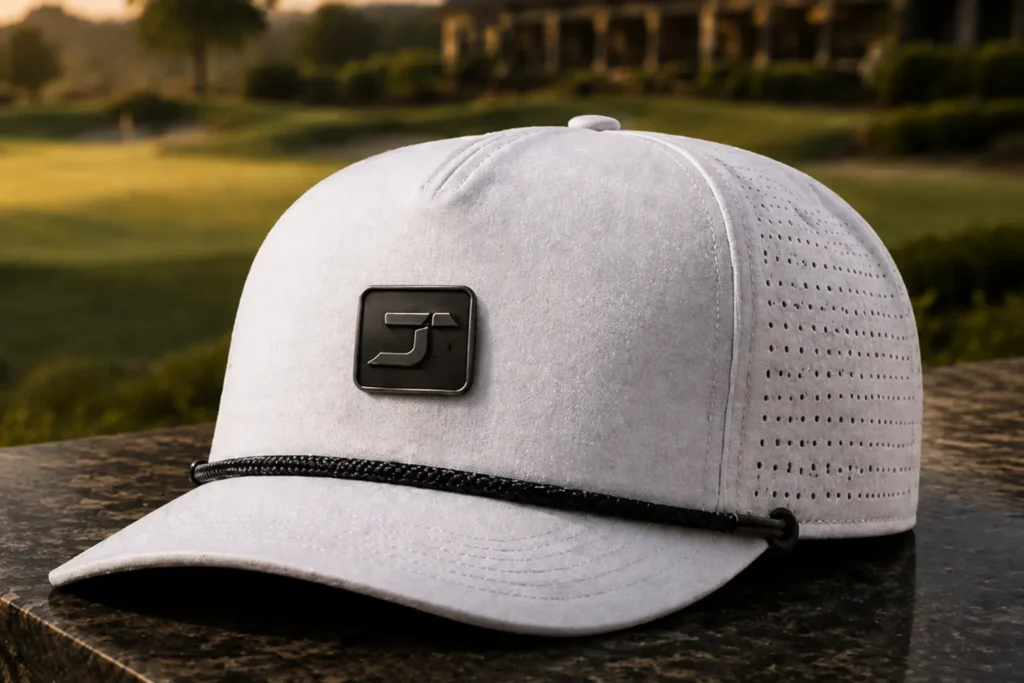
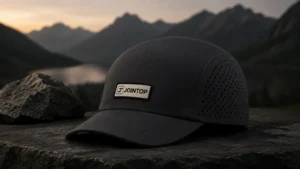
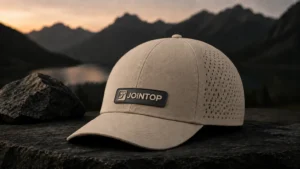
A performance rope hat combines the visual identity of a classic rope cap with the materials and comfort expected from modern golf, running, outdoor, resort, and active-lifestyle headwear. The rope is only one component. The commercial result depends on crown shape, technical fabric, ventilation, sweatband, visor, closure, logo method, color control, and the way the rope is anchored for repeated wear.
For brands and importers, a strong development brief should define the intended wearer and activity, five-panel or six-panel block, shell performance, rope construction, visor profile, logo, fit range, tests, sample stages, and bulk inspection. This guide turns those decisions into a practical sourcing plan.
What makes a rope hat a performance product?
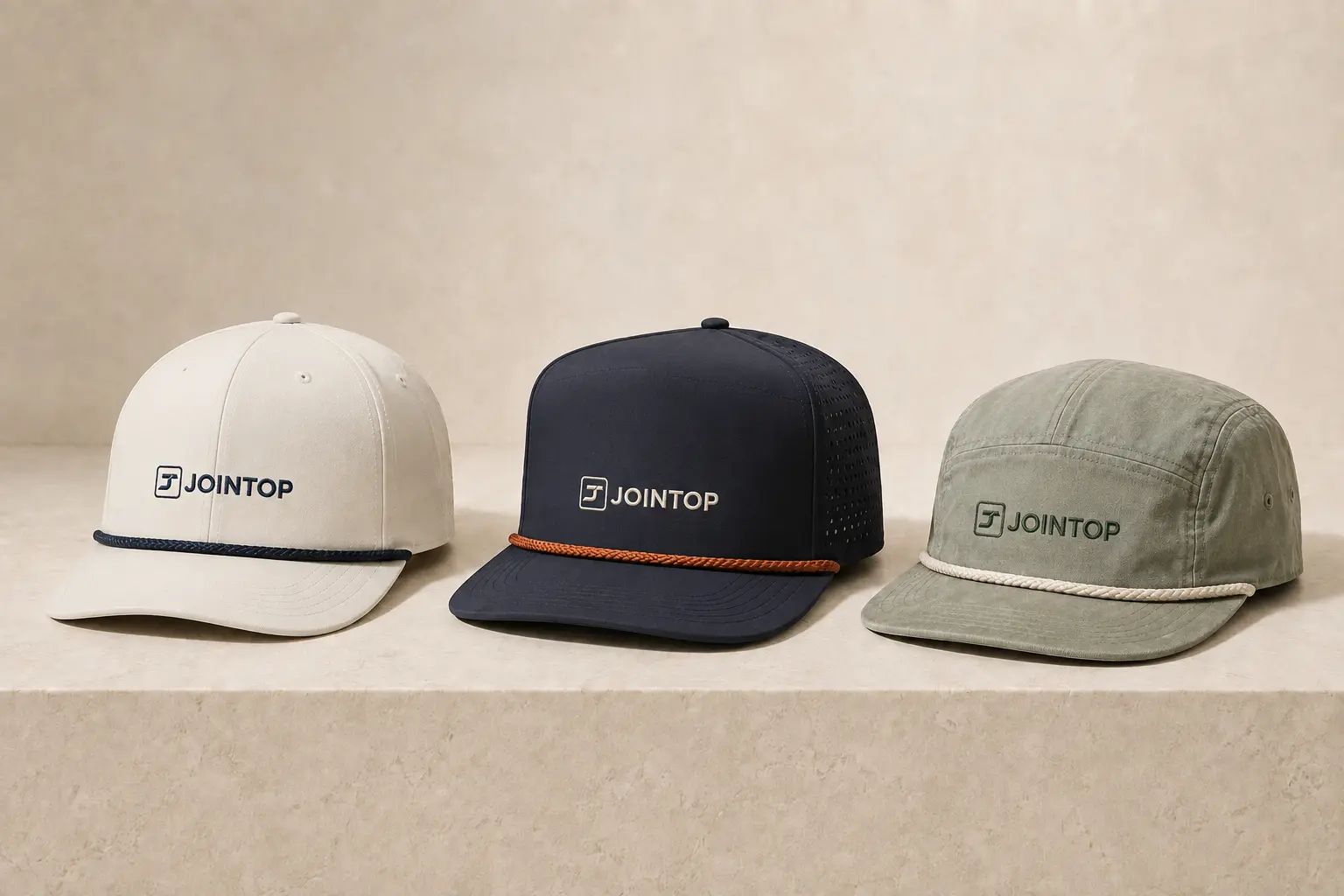
A performance rope hat should be designed for its use rather than described by one material. A lightweight woven shell may support low weight and drying. Laser perforation or mesh can support air exchange. A technical sweatband can manage skin moisture. A stable visor and closure help the fit remain consistent during movement. The rope provides a recognizable horizontal detail across the visor, but it must not distort the brim or interfere with the logo.
| Design direction | Typical silhouette | Useful performance features | Main development risk |
|---|---|---|---|
| Golf rope cap | Structured or semi-structured crown with curved or flatter visor | Light shell, moisture-managing band, clean logo area, stable closure | Rope tension can pull the visor edges or sit unevenly. |
| Five-panel performance rope hat | Broad front panel and lower seam count | Laser-perforated sides, flexible fabric, modern transfer or patch | Large decoration can stiffen the front and compete with the rope. |
| Six-panel athletic rope cap | Familiar baseball profile with center-front seam | Permeable woven panels, eyelets, curved visor, adjustable closure | Center seam can limit logo options and affect rope alignment. |
| Lifestyle rope hat | Soft or structured crown in cotton, nylon, corduroy, or technical fabric | Comfort band, packable option, fashion colors, custom trims | Style-led materials may not meet active drying or shape targets. |
If you are planning a rope-cap collection, send JoinTop your reference hat, preferred crown, shell performance, rope color, logo files, quantity, and delivery market through the performance rope hat inquiry. We can identify the construction questions before sampling and tooling costs are confirmed.
Specify the rope as a functional component
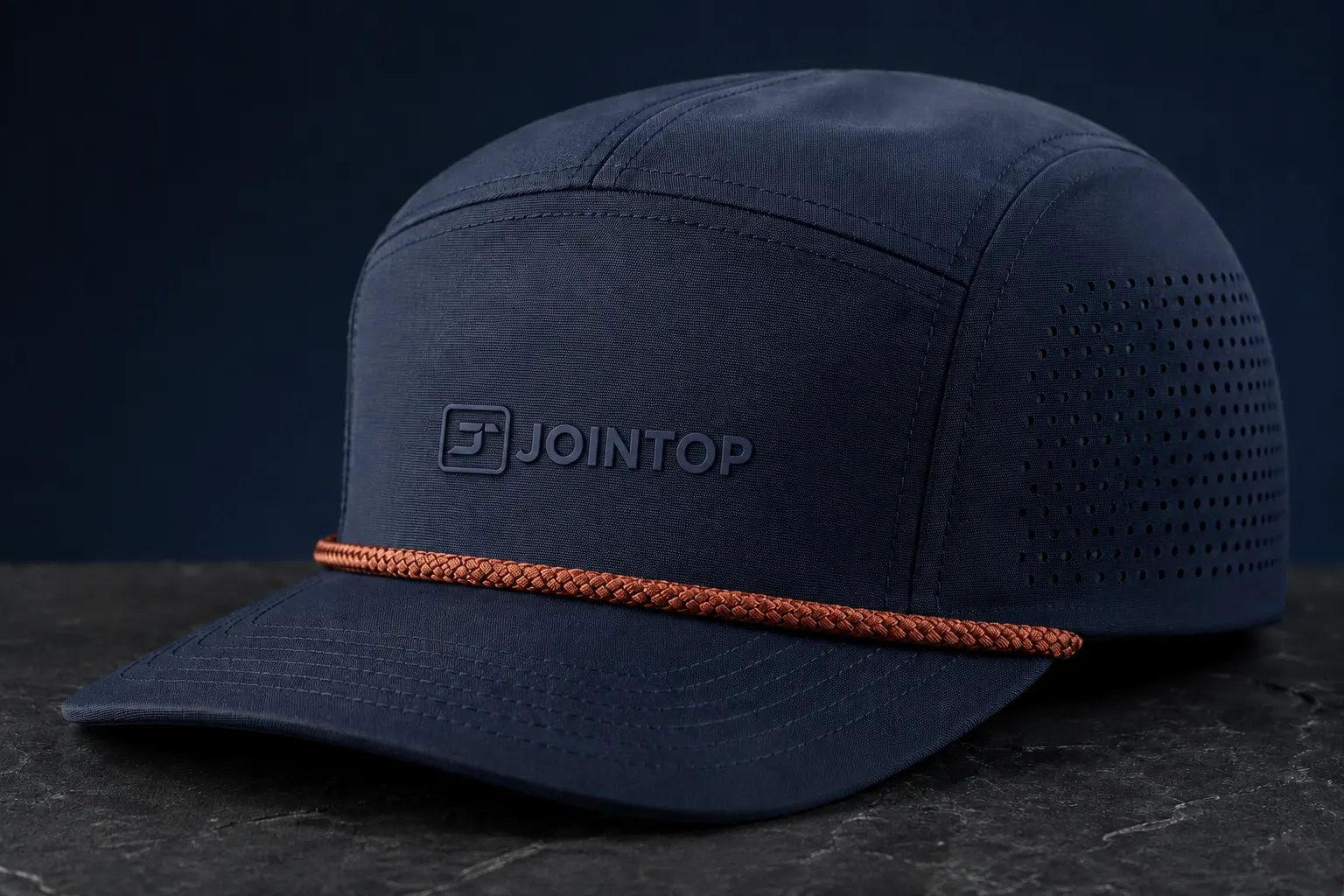
The rope specification should include material, diameter or width, construction, color, sheen, firmness, stretch, end treatment, placement, and attachment. A round twisted cord creates a different look from a flat braided rope. A glossy synthetic cord can look technical, while a matte cotton-like rope can feel more heritage-led. The chosen cord should withstand handling, moisture, abrasion, and the care method without fraying, bleeding, or relaxing.
Rope placement is measured, not guessed. Record its distance from the visor edge, height at the center, attachment points, visible length, and tension. Too much tension can lift the brim edges or create a deep center curve. Too little can cause sagging and inconsistent photographs. The rope ends should be secured under tabs or within the visor seam according to the approved construction.
- Approve a physical rope standard rather than color from a screen alone.
- Measure cord diameter or finished width at several points.
- Define center height, edge distance, visible length, tension, and symmetry tolerance.
- Check fraying, twist consistency, splice visibility, end security, and color transfer.
- Test the cord and attachment after flexing, wetting, drying, and the labeled care process.
- Retain the approved rope with the visor, thread, logo, and shell color standard.
A contrast rope can become the strongest color element on the cap, so review it under standard light with the shell and logo. If the design uses a custom Pantone target, ask whether the rope is stock, custom dyed, or selected from a supplier card. Custom color can create a separate minimum and lead time.
Choose the shell, ventilation, and sweatband together
Performance woven polyester and nylon are common shell choices because they can offer low weight, shape recovery, controlled stretch, and quick drying. Fiber content does not define performance by itself. Yarn, weave, weight, stretch direction, surface, finish, color, and backing affect the result. If water repellency, UV protection, cooling, or PFAS-free chemistry is required, name the requirement and supporting evidence in the specification.
The sweatband manages the highest-contact moisture zone. Define its fiber, construction, width, thickness, stretch, seam, skin feel, transfer, drying, and stain behavior. Then review it with the shell. A fast-drying crown can still feel wet if the band retains liquid, while a very thin band can reach saturation quickly during high-output activity.
| Component | Specification points | Sample check | Bulk risk |
|---|---|---|---|
| Front panel | Shell, support, seam, logo area, and crown profile | Assess stability, rippling, wet appearance, and decoration. | Support substitutions change shape and drying. |
| Side and rear panels | Fabric permeability, laser layout or mesh, and stretch | Check open area, hole quality, recovery, and transparency. | Perforation can shift toward seams or vary by panel. |
| Sweatband | Material, width, stretch, seam, transfer, and drying target | Wear, wet, dry, and inspect for marks and comfort. | Band lots can differ in stretch or shade. |
| Visor package | Insert, shell layers, curve, stitch rows, edge, and rope | Check symmetry, wet recovery, flexing, and rope tension. | Pressing or storage can distort the approved curve. |
| Fermeture | Type, range, grip, weight, logo, and wet handling | Cycle the closure dry and damp across the fit range. | Hardware or molded parts may vary in color and function. |
Laser holes should have a controlled diameter, pitch, layout, edge quality, and distance from seams. Mesh should be evaluated for recovery, snagging, transparency, color, and seam strength. For additional development questions, review the cap ventilation design guide and the custom cap sweat-test guide.
Match the logo method to the crown and rope
The rope occupies the lower front visual line, so logo size and vertical position need to be developed with it. Direct embroidery can create a premium athletic look but adds needles, backing, thread weight, and stiffness. A woven patch supports fine detail but requires an edge and attachment method. Silicone, TPU, or other heat-applied badges create a technical surface, yet adhesion and color migration must be tested on the selected shell finish.
Approve the logo and rope together on the intended crown. Record logo width, height, distance above the rope, distance from seams, thread or material color, backing, relief, and orientation. Check the cap from front, three-quarter, and side views. A logo that looks centered on a flat panel can appear low or crowded when the cap is worn and the visor is curved.
Le custom hat logo placement guide gives a useful approval framework. If you want to compare embroidery, woven patches, silicone, or heat transfer on a rope-cap sample, contact JoinTop’s logo development team before the final mock up is released.
Build a controlled color and trim palette
A rope hat combines several visible materials: shell, rope, thread, visor underside, sweatband, closure, logo, labels, and sometimes eyelets or side badges. “Navy” can become several different navies under daylight. Create a component color chart and identify which items must match, which are intentionally contrasting, and which use standard supplier colors.
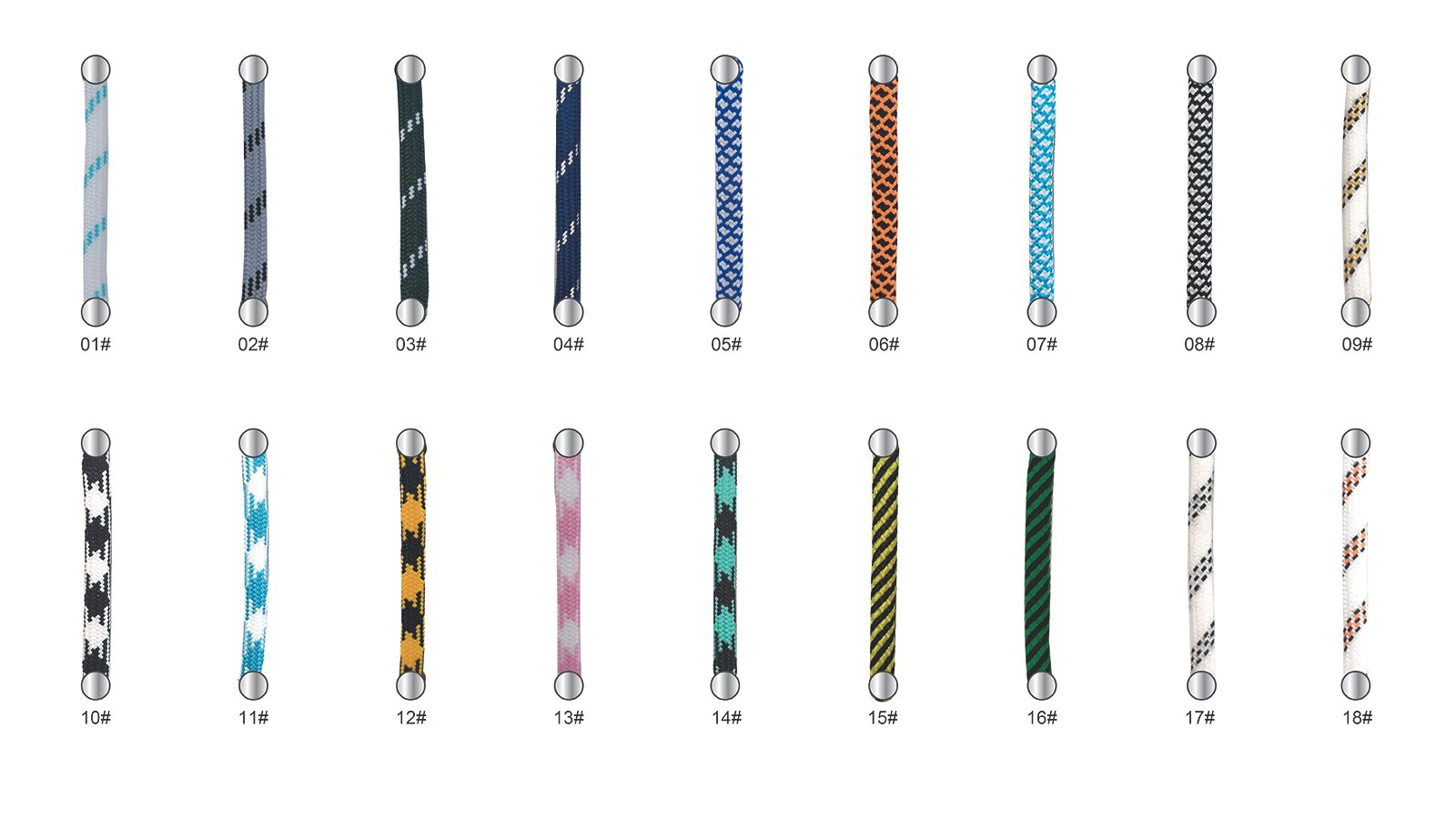
Use physical standards for critical colors and note the viewing light. For a stock trim, approve the supplier reference. For custom dyeing, approve a lab dip or production trial and understand the material minimum. Wet color transfer is especially important when a dark rope sits on a light visor. Check dry and wet crocking or another agreed colorfastness procedure when the risk justifies it.
- Shell face and underside
- Rope body, end tabs, and attachment thread
- Front, side, and rear logo colors
- Visor underside and edge
- Sweatband, seam tape, and internal labels
- Closure strap, buckle, snap, hook-and-loop, or molded component
- Top button, eyelets, size sticker, hangtag, barcode, and packaging
Set fit, crown, visor, and closure measurements
A performance rope hat should remain stable without excessive pressure. Specify crown depth, front height, finished circumference, closure range, visor length, visor width, curve, rope position, and sweatband width. If two size ranges are offered, develop each size rather than assuming that only the back opening changes. Panel proportions and visor scale may need adjustment.
The visor profile strongly affects rope appearance. A flatter visor creates a straighter rope line; a deep precurve changes the center height and end angle. Approve the curve with a template and worn photographs. Check whether the rope restricts further shaping by the wearer. For a flexible or packable visor, confirm that repeated bending does not loosen the rope ends or wrinkle the shell.
Closures can include plastic snaps, woven straps with buckles, hook-and-loop systems, or soft molded options. Compare weight, adjustment range, corrosion, grip when wet, hair contact, branding, and minimum quantities. The closure should be compatible with the rear-panel structure and maintain the approved fit across the intended head range.
Test the claims and high-risk components
Testing should follow the actual product brief. ASTM D737 covers air permeability of textile fabrics. AATCC TM195 addresses liquid moisture-management properties, and AATCC TM201 covers fabric drying rate using a heated plate. These methods can support material decisions, but a finished-cap review is still needed for seams, backing, the sweatband, visor, rope, and closure.
| Risk | What to evaluate | Specimen | Release record |
|---|---|---|---|
| Rope movement or failure | Tension, symmetry, attachment, fraying, flexing, and wet color transfer | Complete visor and finished cap | Measured sample and durability observations |
| Heat and moisture discomfort | Air permeability, moisture movement, drying, and wearer feedback | Shell, sweatband, backed panel, and cap | Method, result, conditions, and approved target |
| Logo failure | Adhesion or stitches, stretch, abrasion, color migration, and care | Production-intent decorated panel and cap | Approved logo standard and after-care photos |
| Shape change | Measurements, visor curve, crown recovery, pressing, and packing | Finished cap before and after care | Measurement report and golden sample |
| Care durability | Selected washing and drying procedure, such as an agreed ISO 6330 cycle | Complete production-intent cap | Procedure, cycles, observations, and disposition |
State the method, conditions, number of specimens, pass criteria, and whether testing is required before and after care. Avoid vague requests such as “test breathability.” A factory and laboratory need a measurable question. If the claim will appear in marketing, confirm that the evidence applies to the same material, finish, color, and construction used in bulk.
Approve samples and pre-production details
The first prototype can confirm shape and design direction, but the confirmation sample should use production-intent shell, rope, visor, sweatband, closure, logo, and labels. Measure every agreed point. Check the cap dry, damp, and after the selected care process. Photograph front, side, rear, top, interior, closure, visor underside, rope ends, ventilation, and logo.
- Compare the sample with the tech pack and component approval card.
- Measure crown, circumference, closure, visor, logo, rope, and ventilation positions.
- Review fit on approved head forms or wearers across the target range.
- Flex and wet the rope and visor; inspect tension, attachment, fraying, and color transfer.
- Run the agreed moisture, airflow, drying, color, and care checks.
- List corrections by location, current result, required result, and verification method.
- Approve a pre-production sample and retain a sealed golden standard before bulk cutting.

Use the sample feedback guide to keep approvals reproducible. “Make the rope better” is not a production instruction; “raise the rope center by 3 mm, keep both ends level, and match the sealed sample tension” can be checked.
Inspect bulk production against the golden sample
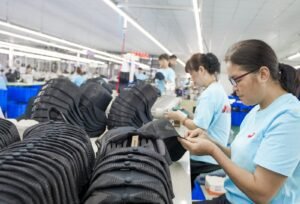
Bulk quality control should verify material identity, color, measurements, crown symmetry, ventilation, visor curve, rope placement, rope tension, logo, closure, labels, and packaging. Inspect across colors and production lots. Critical, major, and minor defects should be defined before inspection so the buyer and factory make consistent release decisions.
- Confirm shell, rope, sweatband, visor, thread, closure, and logo lots.
- Measure rope height, edge distance, visible length, end symmetry, and attachment.
- Check crown height, circumference, closure range, visor size, and curve.
- Inspect perforation, seams, stitch density, puckering, stains, and shade variation.
- Verify logo size, position, color, backing, adhesion, and surface finish.
- Cycle closures and inspect sharp edges, corrosion, slippage, or molded defects.
- Confirm labels, hangtags, barcodes, size stickers, polybags, cartons, and packing shape.
Le custom headwear QC checklist can be adapted to the rope-cap defect list. Include periodic functional checks when the order depends on moisture, ventilation, colorfastness, or other performance claims.
Plan MOQ, lead time, and repeat orders
MOQ may be driven by the cap quantity, custom shell color, rope dyeing, sweatband or elastic minimum, closure tooling, logo tooling, or laser setup. Ask the supplier to separate those minimums. A stock rope and stock fabric can support a different route from a fully custom color package. Consolidating components across several styles may improve consistency and purchasing efficiency.
Allow time for material selection, color approvals, rope matching, prototype rounds, performance checks, pre-production approval, bulk production, inspection, and transit. For repeat orders, retain physical component standards, supplier codes, pattern version, hole file, measurements, logo files, test records, and the golden sample. Reapprove any substitute before it enters bulk.
Frequently asked sourcing questions
Can the rope match an exact Pantone color?
Often a close stock color is available, while an exact custom target may require dyeing and a separate minimum. Approve a physical rope under the selected light and confirm wet color transfer on light visors.
Can a rope hat use laser perforation?
Yes, when the fabric supports clean cutting and the hole layout avoids seams, stress points, and decoration. Approve diameter, pitch, open area, edge quality, and panel stability on the actual shell.
Is a five-panel or six-panel rope cap better?
Neither is universally better. Five-panel blocks provide a broad front area; six-panel blocks offer a familiar baseball profile. Choose by fit, logo, seam layout, ventilation, and brand direction, then approve each block separately.
Performance rope hat sourcing checklist
- Activity, wearer, market, season, retail positioning, and performance claims
- Five-panel or six-panel block, structure, measurements, visor profile, and closure
- Shell, support, ventilation, sweatband, finish, weight, stretch, and colors
- Rope material, construction, diameter, color, sheen, position, tension, and attachment
- Logo method, size, location, backing, color, adhesion, and relationship to the rope
- Named moisture, drying, airflow, colorfastness, care, and durability checks
- Prototype, confirmation sample, PPS, golden sample, and bulk inspection plan
- MOQ by component and color, tooling, test lead time, packaging, delivery, and reorders
A successful performance rope hat keeps the rope visually precise while the cap remains light, comfortable, stable, and repeatable. To develop a custom program, send your reference, mock up, quantity, colors, target market, delivery window, and performance priorities to JoinTop’s custom rope hat team. We can translate the concept into components, samples, tests, approvals, and bulk controls.



 English
 German
 Spanish
 French
 Amharic
 Portuguese
 Italian
 Swedish
 Turkish
 Belarusian
 Danish