
Quick Answer: What Are the Latest Fashion Hats for 2026?
The latest fashion hats for 2026 blend retro aesthetics, performance functionality, and sustainable materials. The five trending styles are premium trucker hats with foam fronts, washed dad hats in organic cotton, structured bucket hats with UPF protection, moisture-wicking performance caps, and eco-friendly hats made from recycled fabrics. Brands that pair these styles with clean branding and quality construction see the strongest sell-through.
Hats have taken over. Walk down any street in New York, LA, or Austin, and you’ll see them everywhere — trucker hats, dad caps, bucket hats, snapbacks. The latest fashion hats are no longer just accessories. They’re the main event, and the market is paying attention.
If you’re a brand owner, sourcing manager, or product developer building your next hat collection, you need to know what’s actually trending. Not last year’s news. Not Instagram hype. We’re talking about real, sell-through trends that move inventory and build brand loyalty.
The global headwear market is projected to keep growing through 2026 and beyond, according to Textile Exchange’s sustainability insights. Brands that pick the right styles win. Brands that don’t end up with a warehouse full of hats nobody wants. And nobody wants that.
Let’s break down the latest fashion hats you should be watching — and how to turn them into revenue.
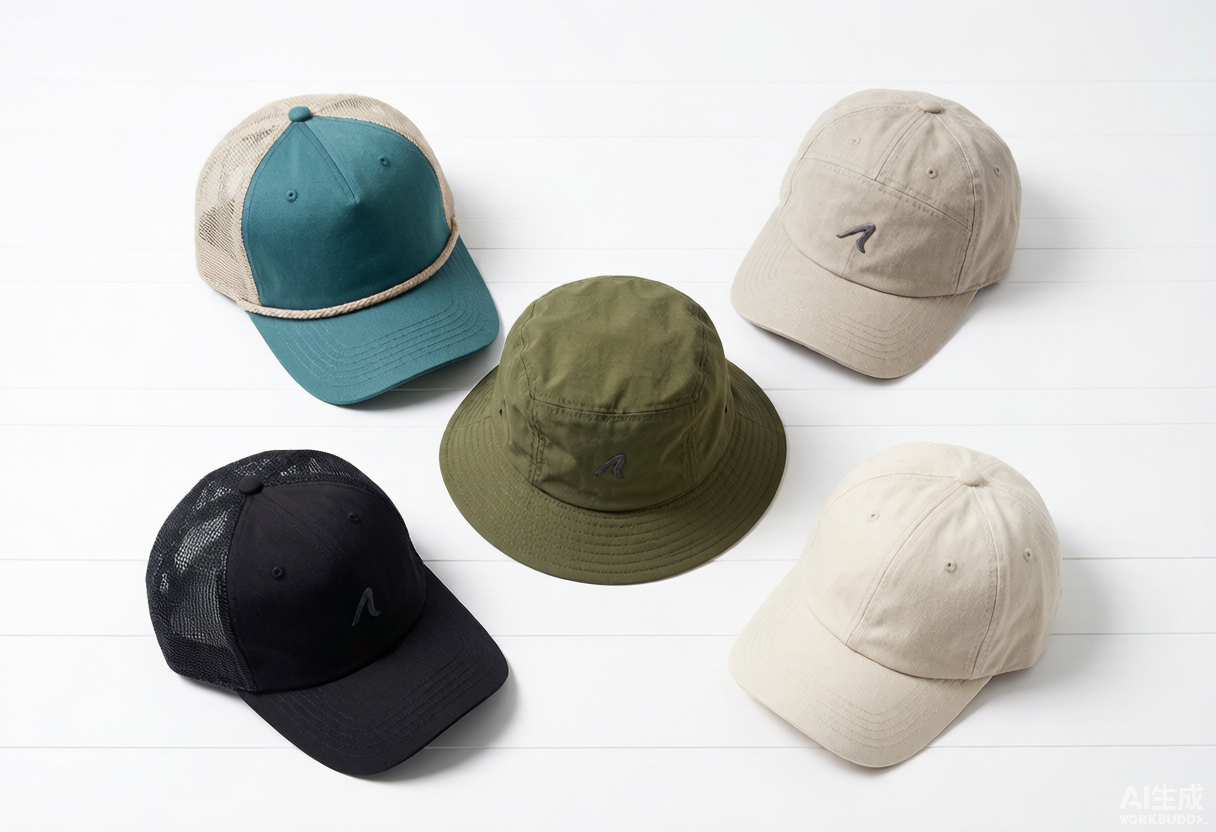
Top 5 Hat Trends for 2026
1. Premium Retro Trucker Hats
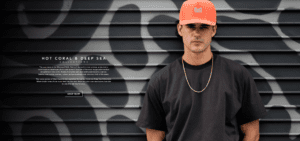
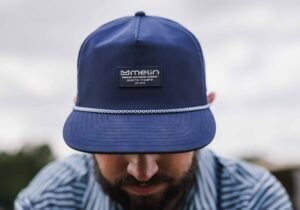
Trucker hats are back — but not the gas-station versions you remember from 2004. Today’s trucker hats feature premium foam fronts, vintage washes, and bold 3D embroidery. Think thick 5mm foam, two-tone colorways like teal and beige, and decorative ropes across the brim that instantly double the perceived value.
Why it works: the foam front panel is basically a billboard for your brand, and the mesh back keeps things breathable. For streetwear drops and promotional collections, this style delivers high-margin potential with broad appeal. It’s one of the most commercially useful shapes in the custom headwear space.
2. Washed Dad Hats: The Quiet Workhorse
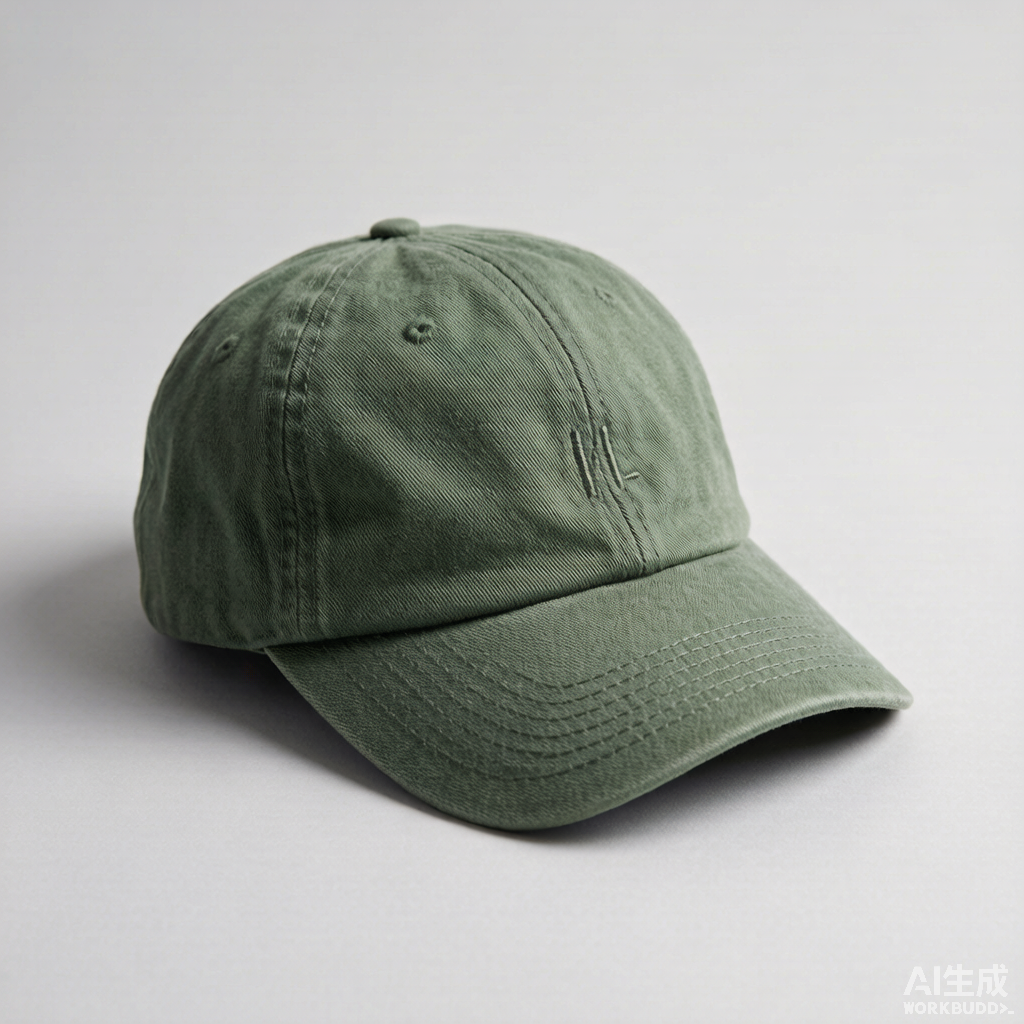
Dad hats are the unsung heroes of headwear. Unstructured, low-profile, and ridiculously easy to wear. Washed cotton, curved brim, minimal logo — that’s the formula, and it works season after season.
In 2026, dad hats are going sustainable. Brands are switching to organic cotton canvas and recycled materials. Earth tones like stone, moss, and charcoal are outperforming bright seasonal colors across North American retail. If you’re building a core collection, dad hats should be your anchor — they’re versatile, unisex, and have the highest reorder rate of any cap style on the market.
3. Structured Bucket Hats with UPF Protection
The bucket hat has grown up. What started as a 90s nostalgia item is now a functional, gender-neutral staple. In 2026, we’re seeing wider brims, stiffer structures, and technical fabrics like ripstop nylon and organic cotton canvas.
The big upgrade? UPF sun protection. Outdoor brands, resort wear lines, and travel retailers are adding bucket hats to their collections at record pace. This style works across streetwear, outdoor, and lifestyle categories — making it one of the most versatile new hat styles available.
4. Performance Caps: Activewear for Your Head
Performance caps are where fashion meets function. Moisture-wicking fabrics, lightweight construction, laser-cut ventilation, and reflective details — these hats are built for movement. Run clubs, yoga studios, and golf brands are all betting big on this category.
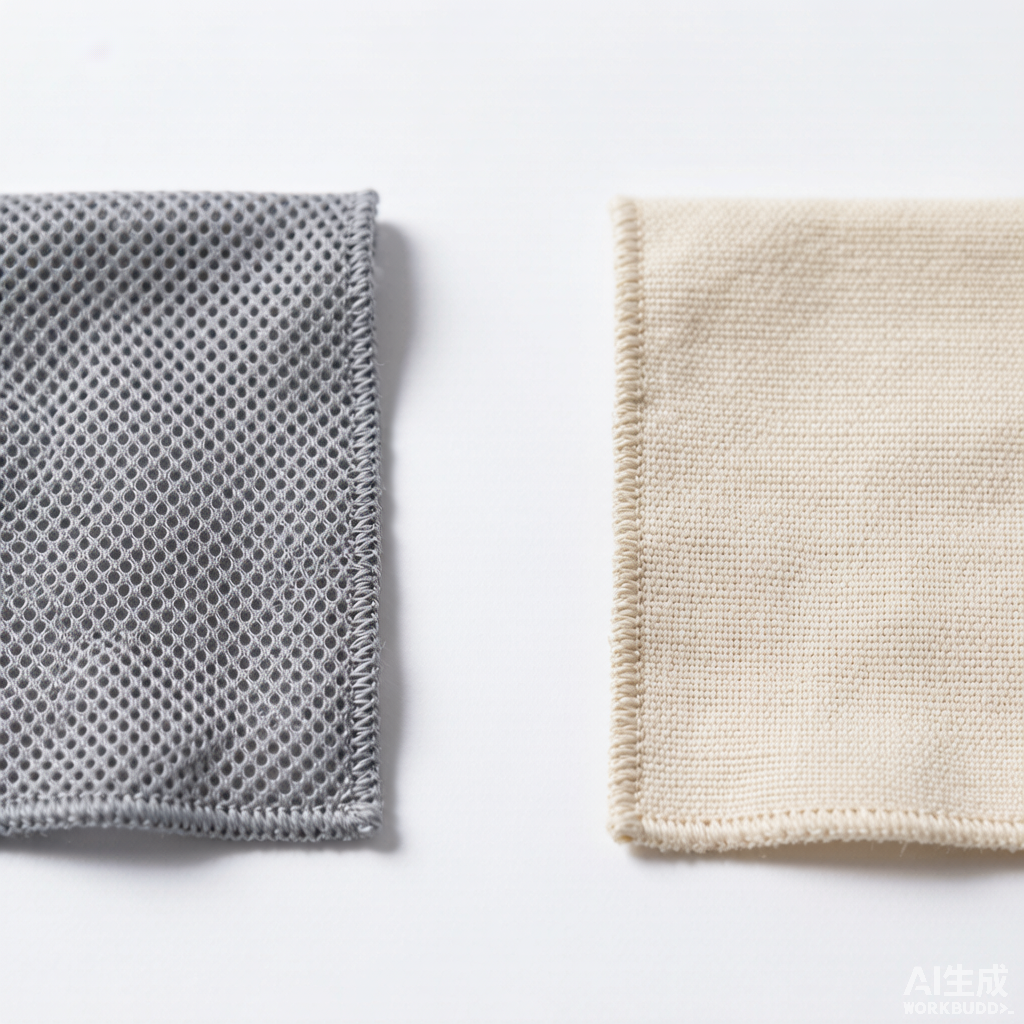
The key is technical fabric: recycled polyester with 4-way stretch, breathable mesh panels, and sweat-resistant sweatbands. Performance headwear is becoming a standalone category that bridges athletic and lifestyle markets. If your brand serves the active lifestyle space, this is a must-have in your cap collections.
5. Sustainable Hats: The New Standard
If your brand isn’t thinking about sustainability in 2026, you’re already behind. Gen Z and Millennial consumers demand it, and the materials have gotten genuinely good.
Popular sustainable fabrics include recycled PET mesh, organic cotton canvas, and bamboo-poly blends. Certifications like GRS (Global Recycled Standard) and OEKO-TEX are becoming baseline requirements. Brands that lead with eco-friendly fashion headwear are capturing market share from competitors still stuck on conventional materials.
Color Trends to Watch
Beyond styles, color is driving purchasing decisions in 2026. Here’s what’s moving:
- Earth tones dominate. Stone, moss, sand, and charcoal are the new neutrals. They outperform bright colors in both retail and wholesale channels.
- Pastel color-blocking is rising in baseball caps, especially for spring collections.
- Two-tone combinations (beige and green, navy and cream) are winning in golf and lifestyle categories.
- Washed and vintage finishes continue to outsell crisp, new-looking fabrics across all hat styles.
How to Turn Trends Into Products
Knowing the trends is one thing. Producing them is another. Here’s what smart brands are doing:
- Start small. Test with low MOQs (100–500 pieces) before committing to large runs. Validate demand without tying up cash.
- Focus on quality. A well-constructed hat with clean stitching and premium fabric will always outsell a cheap one. Customers can feel the difference.
- Mix proven with fresh. Don’t build your entire collection around experimental styles. A good rule: 70% proven styles (dad hats, trucker hats), 30% trend-forward pieces (textured bucket hats, performance caps).
This is where the right manufacturing partner makes all the difference. At JoinTop, we’ve been making hats for over 20 years across factories in China, Vietnam, and Bangladesh. That multi-country setup lets us handle everything from 100-piece sample runs to 50,000-unit retail launches — all with the same quality standards. Whether you need 3D puff embroidery on trucker hats, woven patches on bucket hats, or private label packaging for a full collection, we do it under one roof. Our design teams in China, the US, and Korea help turn rough ideas into production-ready samples in 5–7 days.
Quick-Reference: What to Produce for 2026
| Hat Style | Lo mejor para | Suggested Fabric | MOQ Range |
|---|---|---|---|
| Dad Hats | Everyday, unisex collections | Organic cotton, washed twill | 100–300 pcs |
| Trucker Hats | Streetwear, promotional drops | Foam front + mesh back | 100–500 pcs |
| Sombreros de cubo | Outdoor, resort, festival | Ripstop nylon, organic cotton | 100–300 pcs |
| Tapas de rendimiento | Athletic, golf, run clubs | Recycled polyester, 4-way stretch | 200–500 pcs |
| Sustainable Caps | Eco-conscious brands | rPET, bamboo-poly blends | 200–500 pcs |
Common Mistakes to Avoid
- Don’t chase every trend. Pick 2–3 styles that fit your brand identity and execute them well. Ten mediocre styles will never beat three excellent ones.
- Don’t skip sampling. Always request physical samples before committing. A photo tells you nothing about fit, fabric weight, or construction quality.
- Don’t ignore lead times. Plan 25–35 days for production and shipping. Rush orders cost more and quality often suffers — not worth the headache.
FAQ: Latest Fashion Hats in 2026
What are the most popular hat styles in 2026? The most popular hat styles in 2026 are premium trucker hats, washed dad hats, structured bucket hats with UPF protection, moisture-wicking performance caps, and sustainable hats made from recycled materials. These five styles cover the widest range of consumer demand across streetwear, outdoor, and lifestyle markets.
Are bucket hats still in style in 2026? Yes. Bucket hats have evolved from a nostalgia trend into a functional, gender-neutral staple. In 2026, they feature wider brims, stiffer structures, and UPF-rated sun protection fabrics, making them popular for outdoor, resort, and festival collections.
What materials are trending for custom hats? The top trending materials for custom hats in 2026 include organic cotton canvas, recycled PET mesh, bamboo-poly blends, ripstop nylon, and 4-way stretch performance polyester. Sustainability certifications like GRS and OEKO-TEX are increasingly expected by buyers.
How many hats should I order for a new collection? Start with 100–500 pieces per style to test demand. Once you identify bestsellers, scale up production for reorders. Working with a manufacturer that offers flexible MOQs — like JoinTop’s factories in China, Vietnam, and Bangladesh — reduces risk while maintaining quality.
The Bottom Line
The latest fashion hats in 2026 are about blending style with substance. Retro aesthetics, performance functionality, and sustainability are the three pillars driving the market. Brands that understand this — and partner with manufacturers who can deliver at scale — will win the season.
Whether you’re launching your first capsule or scaling an established headwear line, the playbook is simple: stay informed, test smart, and produce with quality. The trends are clear. The opportunities are real. Now make hats people actually want to wear.
For more insights, check out our 2025 headwear trend forecast for a deeper look at where the market is heading, or explore our guide on hat trends for brands to see what US buyers are betting on. Looking for sustainable options? Read our guide on eco-friendly custom hats. You can also learn about the best durable materials for custom hats to ensure your next collection lasts.
Ready to start your custom hat project? Email us at info@jointopcap.com — we’ll help you nail down styles, fabrics, and MOQs that fit your brand.

 English
  German
  Spanish
  French
  Amharic
  Portuguese
  Italian
  Swedish
  Turkish
  Belarusian
  Danish