Let’s be honest for a second. Five years ago, if someone mentioned “eco-friendly hats” at a trade show, most buyers would smile politely and move on to the next booth. Today? That same buyer is actively asking for sustainability specs before they even look at your catalog. The shift isn’t subtle — it’s a full-on 180.
A 2025 PPAI survey found that 68% of consumers view a brand more favorably when it uses eco-friendly promotional products, and 42% are willing to pay a 15–20% premium for sustainable alternatives. Translation: your customers aren’t just okay with paying more for green headwear — they want to.
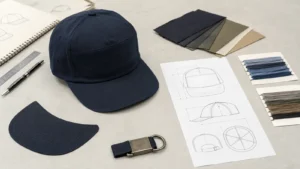
So how do you actually build eco friendly custom hats that don’t look like a science experiment gone wrong? Let’s break it down.
Pick the Right Materials (This Is 80% of the Battle)
The good news? Sustainable fabrics in 2026 are not the rough, itchy, “well, at least it’s good for the planet” materials from a decade ago. Modern textile tech has caught up. Here are your heavy hitters:
Recycled Polyester (rPET): This is the MVP of sustainable headwear. We’re talking plastic bottles — collected, cleaned, melted down, and spun into yarn that performs exactly like virgin polyester. Same moisture-wicking. Same durability. Same color vibrancy. But each hat keeps roughly 3–5 plastic bottles out of a landfill. Your hangtag literally gets to say, “This hat was made from recycled bottles.” Customers eat that up.
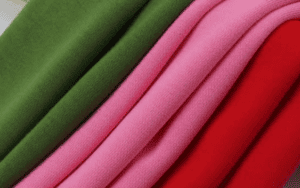
Organic Cotton: Grown without synthetic pesticides or chemical fertilizers, using up to 91% less water than conventional cotton. It’s softer, breathes better, and feels premium. Perfect for dad hats, bucket hats, and structured six-panel caps. GOTS-certified organic cotton is the gold standard here — if your supplier can’t show you that certificate, ask why.
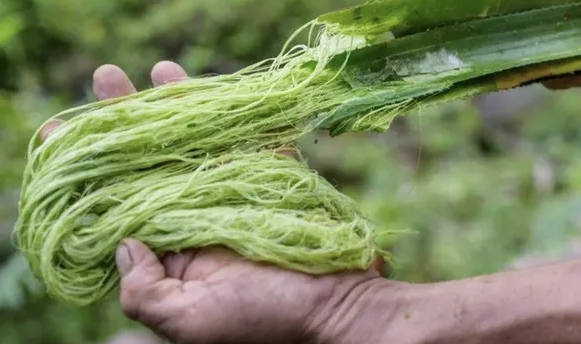
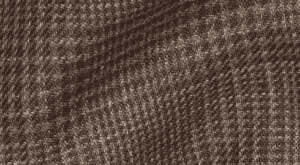
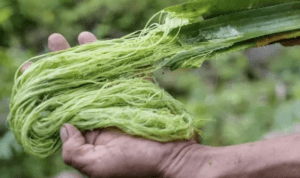
Hemp Blends: Hemp is the overachiever of the fabric world. It grows fast, needs almost no water, naturally resists bacteria, and actually improves soil health while growing. Blended with organic cotton (usually 55/45), it gives you a durable, textured fabric that softens beautifully over time.
Certifications: Trust, but Verify
Here’s where things get real. “Greenwashing” — slapping a leaf icon on your product and calling it eco-friendly — is the fastest way to lose brand trust. Your customers are smart. They’ll ask for documentation, and you need to have it ready.
Three certifications matter most:
- GRS (Global Recycled Standard): Verifies recycled content and tracks the supply chain from recycling facility to finished product.
- GOTS (Global Organic Textile Standard): The strictest organic certification, covering everything from seed to shelf.
- OEKO-TEX Standard 100: Confirms the finished fabric is free from harmful chemicals.
Here’s the key thing most guides won’t tell you: these certifications cover different things. GRS covers recycled raw materials. GOTS covers the organic process. OEKO-TEX covers product safety. If you want full credibility, you often need two or more. Make sure your manufacturer can provide documentation — because your retail partners and corporate clients will ask.
The Cost Reality
Let’s talk money, because that’s what everyone’s really thinking about. Upgrading to rPET or organic cotton typically adds $1.00–$2.00 per hat to your manufacturing cost. But here’s the flip side: consumers are willing to pay $10–$15 more at retail for sustainable products.
Do that math. A $2 cost increase for a $10–$15 retail premium? That’s not a compromise. That’s a margin upgrade disguised as a sustainability initiative.
Customization Still Works — Beautifully
A common myth: eco-friendly means boring. Not true. Sustainable materials accept the same decoration methods as conventional fabrics — embroidery, patches, screen printing, you name it. You can even use recycled embroidery thread for your logos, laser-etched cork patches instead of plastic ones, and eco-friendly PFC-free DWR finishes for water resistance.
And here’s where production capability matters. At JoinTop, we’ve been making hats long enough to know that sustainable materials behave a little differently on the production line — rPET mesh needs slightly different tension settings, organic cotton twill requires adjusted stitch density, and hemp blends have their own quirks. Our teams across factories in China, Vietnam, and Bangladesh have spent years dialing in these specs so that an eco-friendly hat rolls off the line looking just as sharp as a conventional one. Same structured crown. Same clean embroidery. Same premium feel.
The point isn’t to brag — it’s to say that making genuinely good sustainable headwear takes real production experience, not just good intentions.
Supply Chain: Know Where Your Hats Come From
Here’s something that doesn’t get talked about enough. Sustainable materials are only half the equation — the other half is how y where the hats are actually made. Ethical production matters just as much as eco-friendly fabric.
Ask your manufacturer the hard questions. Do their factories follow fair labor practices? Can they handle both small test runs and large volume orders without quality drops? Can they ship from multiple locations to avoid tariff headaches? A factory presence across different countries gives you flexibility — if one region faces delays or trade issues, production can shift to another. That kind of supply chain resilience isn’t a luxury anymore. It’s a necessity.
Packaging: Don’t Undo All Your Good Work
You can’t sell a sustainable hat in a single-use plastic bag. That’s like ordering a salad and washing it down with a milkshake. Upgrade to biodegradable poly bags made from cornstarch, recycled hang tags with soy-based inks, and minimal packaging design. It costs pennies more and completes the story.
Start Small, Then Scale
You don’t need to overhaul your entire product line overnight. The smartest brands start with a capsule collection — maybe an rPET trucker hat and an organic cotton dad hat — and see how their customers respond. Maybe throw in a hemp-blend bucket hat for the outdoor crowd. Use the feedback to refine your specs, nail down your color palette, and then expand the line.
Test the waters. Get samples. Show them to your best customers and watch their reactions. If the response is good — and trust us, it will be — scale up with confidence.
The Bottom Line
The market has spoken. Over 70% of Gen Z and Millennial shoppers now prefer to buy from sustainable brands. Corporate clients are requiring green supply chains for their merchandise. Sustainability in headwear isn’t a trend anymore — it’s the baseline. The brands that move now will own the green shelf space. The ones that wait will be playing catch-up.
Your move.


 English
  German
  Spanish
  French
  Amharic
  Portuguese
  Italian
  Swedish
  Turkish
  Belarusian
  Danish