Custom Performance Hats: Simple Product Lessons from Melin Hats
ÚneteTop
Contenido
Performance hats are no longer just regular baseball caps with better fabric.
Today, customers want hats that look clean, feel comfortable, handle sweat, and work in real life. They may wear the same cap on the golf course, at the beach, on a boat, during travel, or on a normal sunny day.
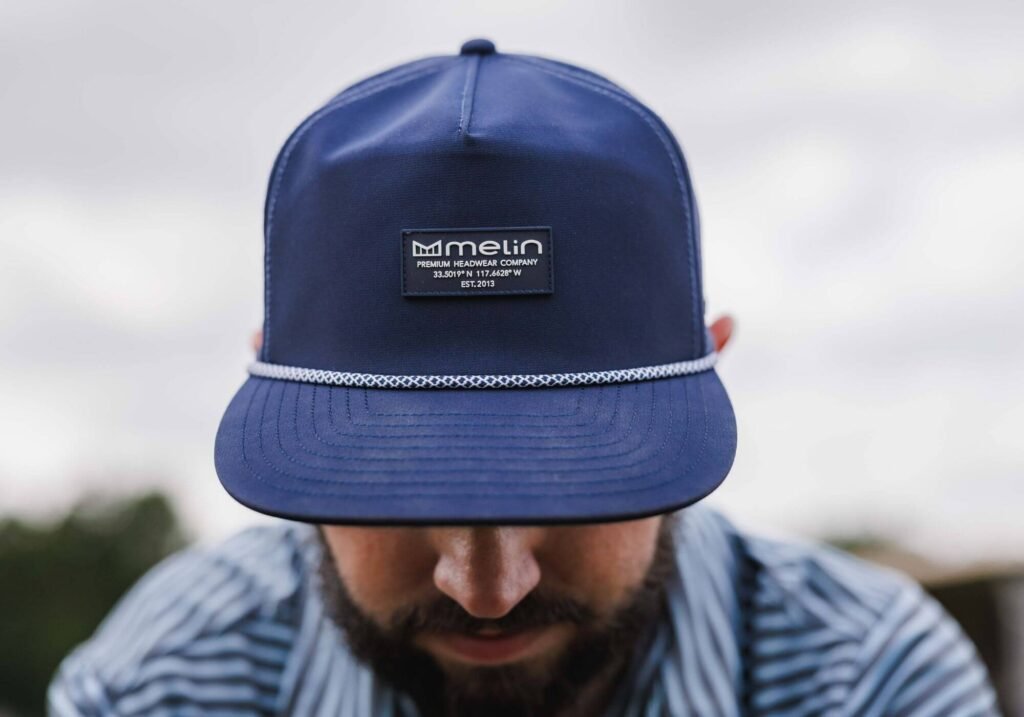
That is one reason many brands pay attention to Melin hats.
Melin is a useful brand to study because it shows how a cap can become a premium product. But this article is not about copying Melin. A strong brand should not copy another brand’s name, shape, logo, or style.
The better idea is simple:
Learn why premium performance hats work, then build your own original hat for your own customers.
A custom performance hat is a cap made with functional materials and brand-specific details. These may include water-repellent fabric, quick-dry lining, breathable panels, moisture-wicking sweatbands, and custom logo methods.
For brands, that means thinking about fabric, fit, sweat control, logo method, water-repellent function, packaging, and bulk production before placing an order. If your team is planning a new performance line, working with a custom performance hats manufacturer can help you check these details before sampling.
Quick Takeaways
What Brands Should Know
Why It Matters
Start with the customer
A golf hat, beach hat, and running hat need different designs
Fit is a key product feature
A hat can look good but still fail if it feels wrong
Sweat control matters
A better sweatband can improve comfort and repeat sales
Water-repellent is not waterproof
Product claims must be clear and accurate
Logo method affects quality
The wrong logo method can make a premium hat look cheap
Sampling reduces risk
Problems should be fixed before bulk production
A good factory does more than make the cap
It should help with fabric, fit, logo testing, QC, and production planning
Why Performance Hats Are Popular Now
A basic cap is still useful. It works for events, giveaways, and low-cost merch.
But when a brand wants to sell a hat at a higher price, the product needs to do more.
Customers now want hats that can:
Feel light on the head
Stay comfortable in warm weather
Help manage sweat
Resist light rain or water splashes
Keep a clean shape
Look good with casual clothes
Work for golf, travel, beach, fishing, or outdoor use
That is why performance hats are getting more attention.
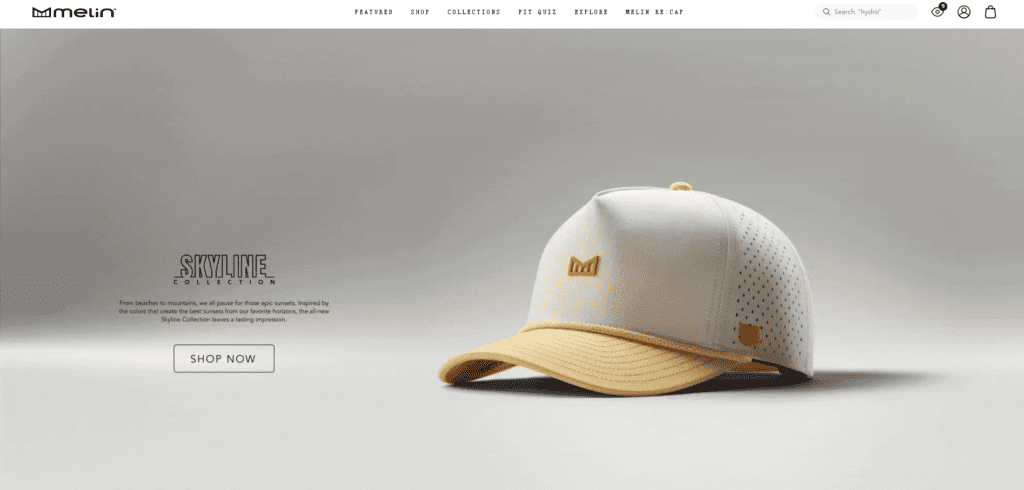
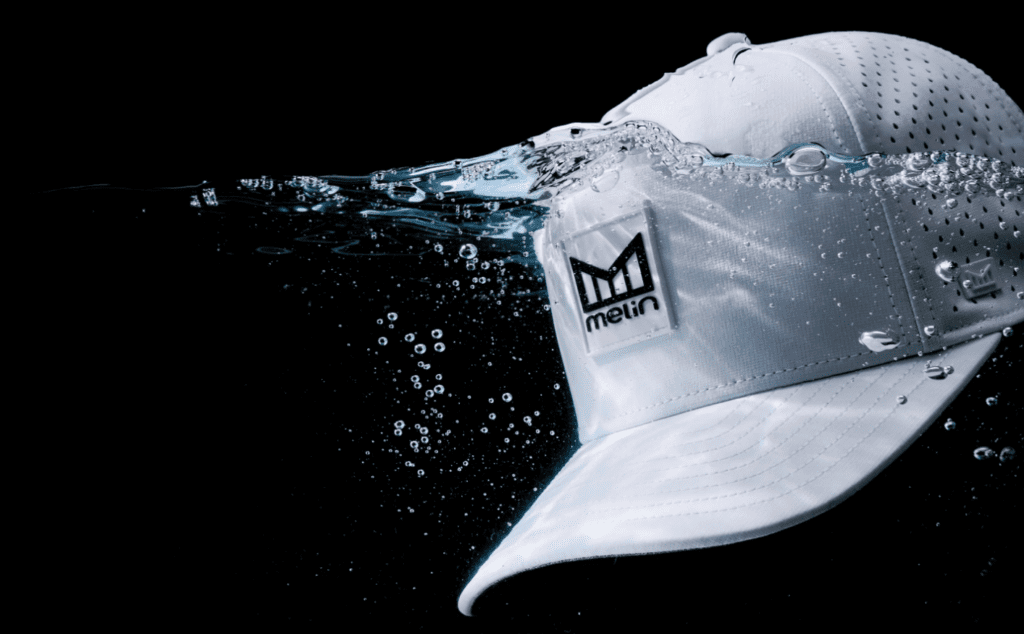
Melin’s HYDRO hats are a good example. Melin describes them as water-repellent, not fully waterproof. The brand also talks about features like a hydrophobic outer fabric, moisture-wicking lining, antimicrobial sweatband, and floatable visor core on its HYDRO page.
For brands, the lesson is clear:
A good performance hat should solve real problems for the customer. It should not just look nice in a product photo.
What Brands Can Learn From Melin Hats
Melin does a few things well.
It gives customers a clear reason to buy. The hats are not only stylish. They are made for active life, water, sweat, sun, and daily wear.
That does not mean every brand should make the same type of hat.
It means brands should ask better product questions.
Before developing a custom performance hat, ask:
Who will wear this hat?
Where will they wear it?
Does it need to be light?
Does it need to dry fast?
Does it need to resist water?
Does it need to feel soft or more structured?
What logo method fits the fabric?
Can the same quality be made in bulk?
These questions are more useful than simply asking:
“Can we make a hat like Melin?”
A mature brand should build something original.
Maybe your brand makes custom golf hats. Maybe you focus on fishing, beach, resort shops, outdoor gear, running, pickleball, or lifestyle caps. Each market needs a different product.
The goal is not to copy.
The goal is to understand what your customers need.
JoinTop hat111
Start With the Customer, Not the Fabric
Many brands start by asking for a fabric.
That is not wrong, but it is not the best place to start.
The better first question is:
What will the customer use this hat for?
A golf hat and a running hat are both performance hats, but they are not the same product.
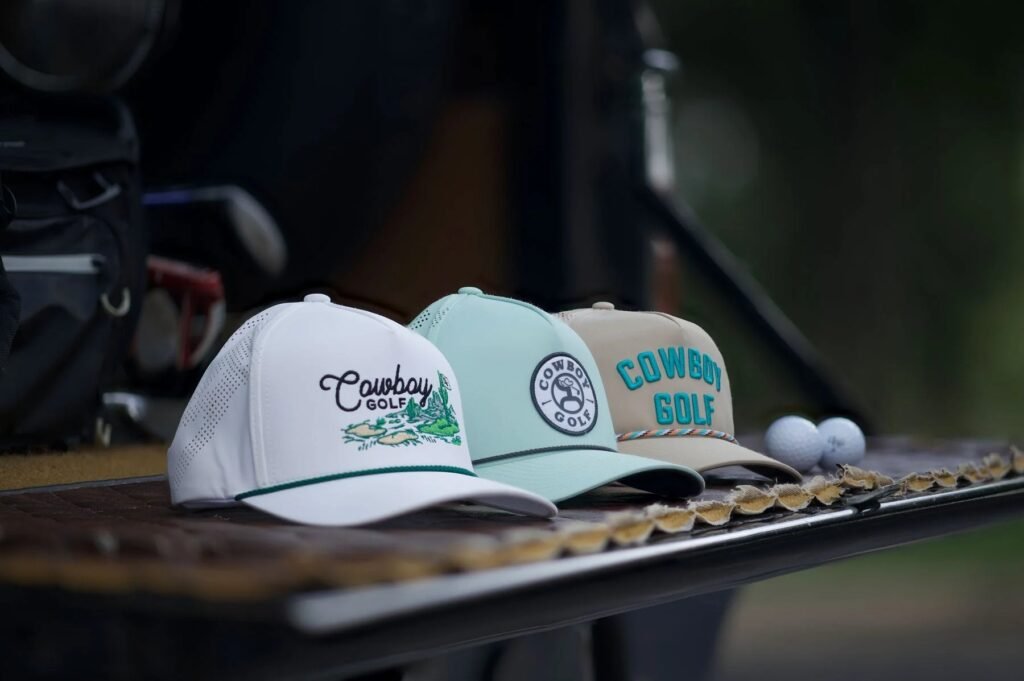
A golf hat may need a clean shape, a stable brim, and a comfortable sweatband.
A running hat may need very light fabric, good airflow, and a lower profile.
A beach hat may need quick-dry fabric and a water-repellent finish.
A resort hat may need to feel soft, look clean, and be easy to sell in a shop.
Simple Material Guide
Hat Type
Good Material Direction
Main Goal
Golf hat
Polyester-spandex or nylon-spandex
Clean fit and comfort
Beach hat
Quick-dry nylon or water-repellent polyester
Handles splashes and dries faster
Running hat
Light polyester, mesh, or perforated fabric
Breathable and light
Outdoor hat
Ripstop nylon or UPF-rated fabric
Stronger sun and outdoor use
Resort cap
Soft-touch performance fabric
Premium feel and easy wear
Lifestyle cap
Smooth performance fabric
Clean look and daily comfort
Common materials for custom performance hats include:
Poliéster
Nylon
Polyester-spandex
Polyamide-spandex
Recycled polyester
Mesh
Laser-perforated fabric
Quick-dry lining
Water-repellent treated fabric
JoinTop’s tapones de alto rendimiento page shows different performance cap options for sports, golf, lifestyle, and custom brand use.
The main point is this:
Do not choose fabric only because it sounds premium. Choose fabric because it fits the job.
Fit Matters More Than Many Brands Think
A customer may buy a hat once because it looks good.
They buy it again because it feels good.
That is why fit matters.
Melin’s Fit Guide shows different crown depths, hat shapes, sizes, and visor details. This is a good reminder for any brand: fit should be planned, measured, and tested.
When developing a custom performance hat, brands should decide:
Should the crown be shallow, mid-profile, or deep?
Should the front be structured or soft?
Should it be a 5-panel or 6-panel cap?
Should the brim be curved, flat, or flexible?
Should the closure be snapback, strapback, buckle, Velcro, or stretch fit?
Is the hat for men, women, youth, golfers, runners, outdoor users, or general lifestyle buyers?
These choices affect comfort.
They also affect reviews, repeat sales, and how the hat looks in photos.
A hat can use great fabric and still fail if the fit is wrong.
Sweat Control Is a Big Deal
The sweatband is a small part of the hat, but it has a big effect on comfort.
This is especially true for golf hats, running hats, fishing hats, outdoor hats, and summer caps.
A poor sweatband can make a hat feel hot, rough, or wet.
A better sweatband can help the hat feel more comfortable during long wear.
Common options include:
Moisture-wicking sweatband
Antimicrobial sweatband
Cooling sweatband
Quick-dry inner band
Soft elastic sweatband
No-sweat-stain construction
For many customers, this is the difference between:
“Nice hat.” y “I wear this every week.”
Brands should test sweatbands during sampling, not after the design is already finished.
Water-Repellent Does Not Mean Waterproof
This is very important.
Many customers search for “waterproof hats.” But most lifestyle performance caps are better described as water-repellent o resistente al agua.
These words are not the same.
Term
Simple Meaning
Lo mejor para
Water-repellent
Water beads and rolls off the surface
Golf, beach, travel, lifestyle
Water-resistant
Handles light moisture
Daily outdoor use
Impermeable
Blocks water more fully with stronger construction
Technical rain or outdoor gear
Melin says its HYDRO hats are water-repellent, not fully waterproof. That is a careful and smart way to describe the product.
For most golf, beach, travel, and lifestyle caps, water-repellent fabric is usually more practical than fully waterproof construction. It gives useful protection while keeping the hat lighter and more comfortable.
Brands that want to go deeper into golf-specific rain and water protection can also read this waterproof golf hat production guide for more sourcing and product development ideas.
For brands that want to make water-repellent claims, testing is helpful. AATCC TM22 is a test method used to check how well fabric resists wetting by water.
For sun protection claims, brands should also be careful. ASTM D6603 covers labeling rules for UV-protective textiles.
For sustainability claims, brands should avoid vague words like “eco-friendly” unless the claim is clear and supportable. The FTC Green Guides explain how marketers can avoid misleading environmental claims. If textile safety testing is important for your project, OEKO-TEX STANDARD 100 is a widely used standard for textiles tested for harmful substances.
The simple rule is:
Do not make a claim that the product cannot support.
This protects the brand and the customer.
Logo Method Can Change the Whole Feel
A hat can have good fabric and good shape, but still look cheap if the logo method is wrong.
For custom performance hats, the logo should match the fabric.
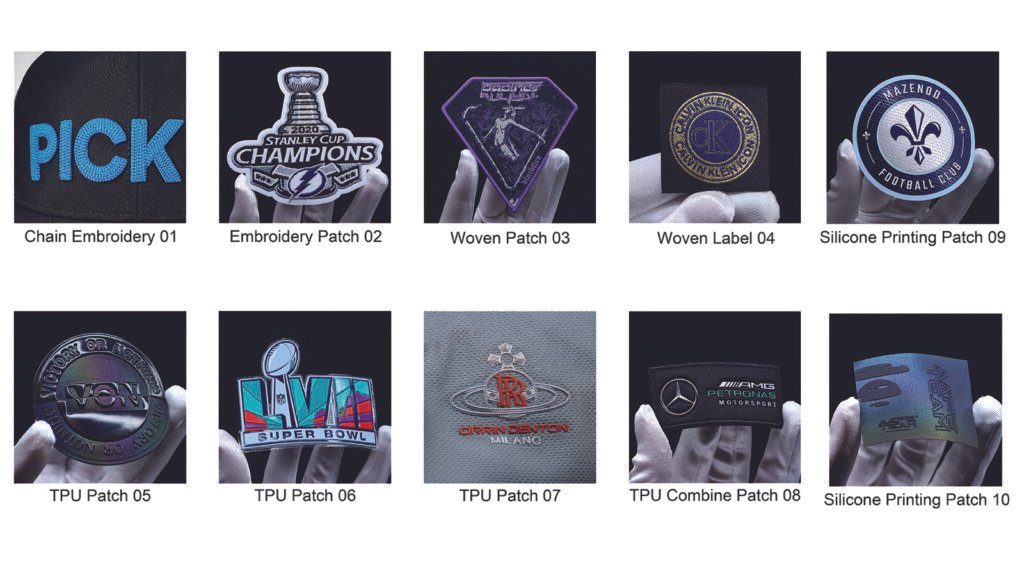
Common logo options include:
Flat embroidery
3D embroidery
TPU patch
Silicone patch
Rubber patch
Woven patch
Heat transfer logo
Laser-cut logo
Leather patch
Each method works better for different products.
Embroidery can look classic, but it may not work well on very thin or stretchy fabric.
TPU and silicone patches can look clean and modern, but they should be tested on the real fabric first.
Heat transfer can work well for light running hats, but the factory should check if it peels or cracks after use.
A digital mockup is useful, but it is not enough. The logo needs to be tested on the real sample.
Factory Notes From Performance Hat Sampling
In many performance hat projects, the first sample is not the final answer.
A silicone patch may look clean in a digital mockup, but the bonding still needs to be tested on the actual fabric. This is especially important when the fabric has a water-repellent finish.
A stretch fabric may feel comfortable, but it can also change the crown shape if the front panel is too soft.
A lightweight fabric may be great for running or travel, but it may need extra support if the brand wants a clean golf-style crown.
Before bulk production, JoinTop usually checks:
Fabric hand feel
Crown shape
Brim curve
Sweatband comfort
Logo placement
Patch bonding
Stitching quality
Color consistency
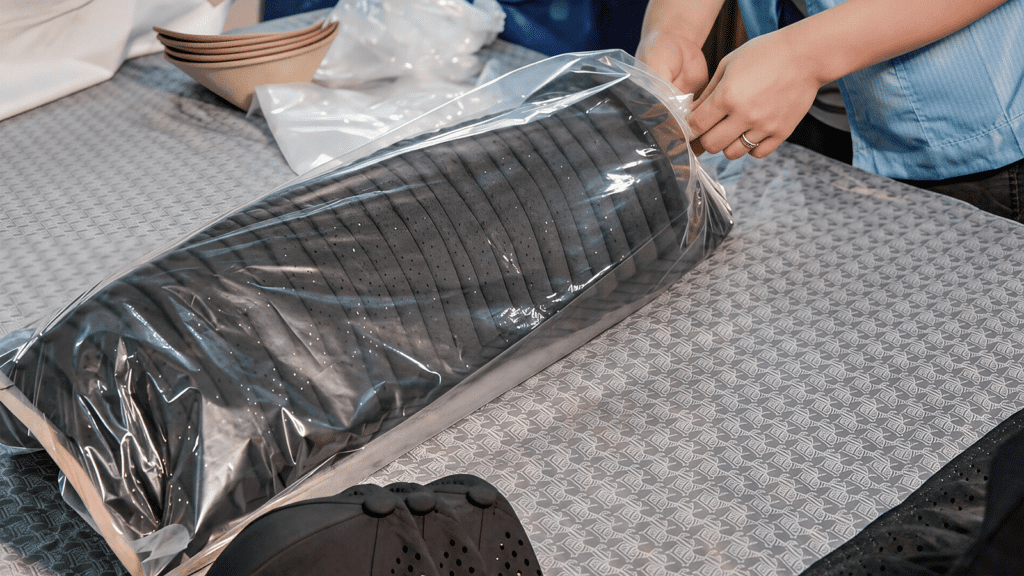
Packaging details
These checks help reduce the gap between a good sample and a stable bulk order. JoinTop’s site also highlights strict QC and stable quality, including control over fabric, fit, stitching, logo execution, and packaging.
The best custom performance hats are built as a system. Fabric, fit, sweatband, logo method, product claims, packaging, and bulk quality all need to work together.
Three Simple Product Examples
1. Premium Golf Hat
A golf brand may want a mid-profile cap with light nylon-spandex fabric, a moisture-wicking sweatband, and a silicone patch logo.
The key things to check are:
Does the crown keep its shape?
Does the brim feel stable?
Does the sweatband feel comfortable?
Does the silicone patch bond well to the fabric?
This type of hat should feel clean, light, and premium. It does not need to be overly technical. It just needs to work well for golfers.
2. Resort or Travel Cap
A resort brand may want a hat that feels soft, dries fast, and looks good in a retail shop.
For this type of cap, a soft performance fabric, simple woven label, light structure, and clean packaging may work better than heavy technical details.
The hat should be easy to wear, easy to pack, and easy to sell.
3. Outdoor or Fishing Hat
An outdoor brand may want water-repellent fabric, breathable panels, stronger stitching, and possible UPF-rated material.
The main challenge is balance.
If the hat is too heavy, people may not wear it often.
If it is too light, it may not feel strong enough.
The best outdoor hat gives useful protection while still feeling comfortable.
Common Mistakes to Avoid
Performance hats have more details than basic caps. Small mistakes can become big problems in bulk production.
Problem
Why It Matters
How to Reduce the Risk
Sample looks better than bulk
Hurts brand trust
Approve a pre-production sample
Fabric color changes
Makes product drops inconsistent
Confirm fabric color before production
Logo position moves
Makes the hat look cheap
Set clear placement standards
Patch does not bond well
Causes peeling or lifting
Test the patch on real fabric
Crown shape changes
Affects fit and reviews
Lock the fit and structure
Brim curve is uneven
Hurts product appearance
Confirm brim standard
Sweatband feels rough
Reduces comfort
Test sweatband options early
Packaging is wrong
Hurts retail readiness
Confirm labels, hangtags, and cartons
A good supplier should help find these problems before bulk production starts.
From Sample to Bulk Production
A custom performance hat project should follow a clear process.
Simple Development Process
Share the target customer and product idea
Choose the hat type and use case
Pick fabric, sweatband, lining, and trims
Choose logo method and placement
Make the first sample
Check fit, fabric, logo, and comfort
Revise the sample if needed
Approve the pre-production sample
Confirm packaging and labels
Start bulk production
Inspect the hats during and after production
Arrange shipping
The sample stage should not be rushed.
This is where brands can fix problems before they become expensive.
For brands planning broader private label production, this guide on private label hats manufacturing gives more context on how branded hat projects move from concept to container.
How JoinTop Supports Custom Performance Hat Projects
For a performance hat project, the factory should do more than make the cap.
A good factory should help check if the fabric, logo method, sweatband, fit, and packaging all work together.
This is especially important when the hat uses:
Stretch fabric
Water-repellent fabric
TPU patches
Silicone patches
Laser perforation
Custom private label packaging
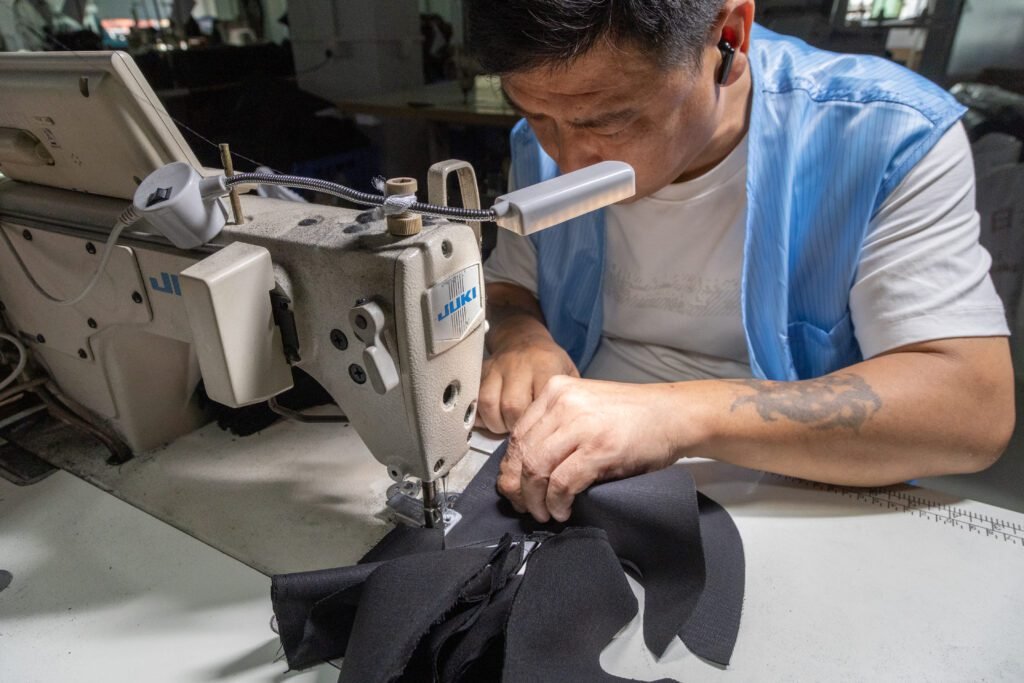
JoinTop supports custom performance hat projects from material selection and sampling to logo testing, quality inspection, and bulk production.
Through its custom performance hats manufacturer service, JoinTop works with brands on performance caps, golf hats, outdoor caps, lifestyle hats, and private label headwear.
JoinTop also has production options in China, Vietnam, and Bangladesh. This helps buyers plan around cost, quantity, timing, and supply needs.
The goal is not just to make one good sample.
The goal is to make a hat that can be produced again with stable quality.
Before You Ask for a Sample
Before contacting a custom hat manufacturer, prepare these details:
Target customer
Hat type
Estimated quantity
Fabric direction
Logo method
Color direction
Packaging needs
Delivery market
Target launch date
Any special claims, such as UPF, recycled material, or water-repellent function
Better Request
We are developing a premium golf cap for the U.S. market. We need a mid-profile structured cap, light water-repellent fabric, moisture-wicking sweatband, silicone patch logo, and retail-ready packaging. Our first order may be 300–500 pieces per color.
This gives the factory enough information to suggest better materials, logo methods, sample options, MOQ, timeline, and production plan.
Ready to Develop a Custom Performance Hat?
Before requesting a sample, prepare your target customer, hat type, quantity, fabric direction, logo method, packaging needs, and delivery market.
Then share these details with JoinTop’s team to review fabric, fit, logo, sampling, and production options for your next performance hat project.
Melin describes its HYDRO hats as water-repellent, not fully waterproof. This means the hats can help water bead and roll off, but they are not the same as fully waterproof rain gear.
What are custom performance hats?
Custom performance hats are caps made with functional materials and brand-specific details. They may include water-repellent fabric, quick-dry lining, moisture-wicking sweatbands, breathable mesh, laser perforation, UPF-rated fabric, and custom logo methods.
What materials are best for performance hats?
Common options include polyester, nylon, polyester-spandex, polyamide-spandex, recycled polyester, mesh, quick-dry lining, and water-repellent treated fabric. The best choice depends on how the customer will use the hat.
What is the difference between waterproof and water-repellent hats?
Water-repellent hats help water bead and roll off the surface. Waterproof hats need stronger fabric and construction to block water more fully. For most golf, travel, beach, and lifestyle caps, water-repellent fabric is usually more practical.
What should brands ask before sampling?
Brands should ask about fabric options, fit, sweatband choices, logo methods, sample time, MOQ, bulk lead time, production location, packaging, and quality inspection.
How can brands reduce risk before bulk production?
Brands can reduce risk by approving the fabric, fit, crown shape, sweatband, logo method, packaging, and pre-production sample before bulk production starts.
Final Takeaway
Melin hats are useful to study because they show how a simple cap can become a premium performance product.
But the goal is not to copy Melin.
The goal is to build an original custom performance hat that fits your customer, your brand, and your market.
Start with the use case. Choose the right fabric. Test the fit. Check the sweatband. Match the logo method to the material. Be careful with water-repellent, waterproof, UPF, and sustainability claims. Then work with a manufacturer that can help turn a sample into stable bulk production.
A hat may be a small product.
But when it fits well, feels good, looks clean, and works in real life, customers notice.
And when customers keep wearing it, that is when a simple cap becomes a real brand product.
Send Your Inquiry Now
Acerca de JoinTop
Fabricante de sombreros desde hace más de 20 años, siempre nos esforzamos por ayudar a los clientes a optimizar el desarrollo de su marca con nuestros diseños exclusivos y un servicio personalizado.
Hola, Durante más de 20 años, nos JoinTop expertamente elaborado sombreros para las mejores marcas. ¿Tienes curiosidad por saber los precios? ¡Póngase en contacto con nosotros de forma gratuita en cualquier momento!




 English
  German
  Spanish
  French
  Amharic
  Portuguese
  Italian
  Swedish
  Turkish
  Belarusian
  Danish