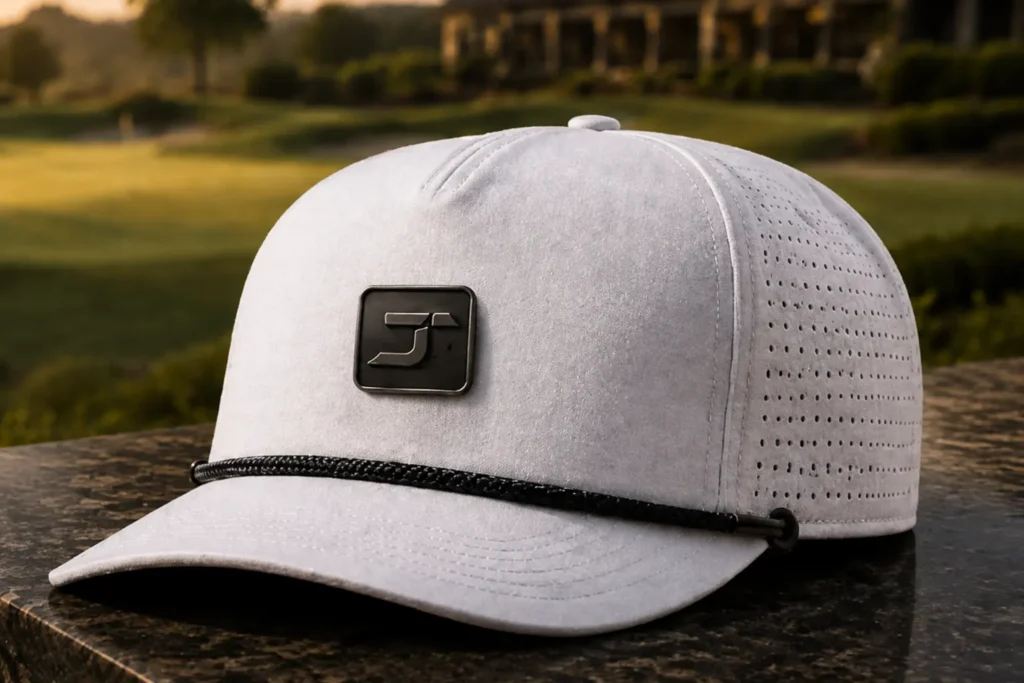
A custom hat can look excellent in a sample photo and still fail in bulk production. The crown may fit differently, embroidery may shift, the brim may curve unevenly, or the approved fabric may be replaced by a similar but lower-performing option.
For brand owners, sourcing managers, product developers, and merchandising teams, quality is not only about whether one sample looks premium. The real question is whether the approved design can be reproduced consistently across the full order.
This custom hat quality checklist explains what to inspect before approving custom hats, private-label headwear, or bulk custom caps.
Quick Answer: What Should You Check?
Before placing a bulk order, confirm the fabric, fit, crown profile, stitching, brim, sweatband, logo method, closure, labels, packaging, and quality-control process.
These details should be documented in the latest tech pack and supported by an approved physical sample. The biggest risk is usually not a visibly bad sample. It is an acceptable sample that has not been converted into a measurable production standard.
1. Match the Construction to the Intended Use
A premium cap should be judged according to what it is designed to do.
Custom baseball hats may prioritize crown shape, fabric hand feel, embroidery, and color consistency. Custom trucker hats need stable front panels, consistent mesh recovery, and a reliable snap closure. Performance caps should focus on low weight, ventilation, sweat control, quick drying, and comfort.
Do not assume that heavier fabric, metal hardware, or a structured crown is automatically better. The right construction depends on the target customer, retail price, climate, and activity.
| Hat Type | Main Quality Priorities |
|---|---|
| Baseball hats | Crown profile, fit, brim curve, embroidery |
| Trucker hats | Front support, mesh recovery, closure |
| Golf hats | Sweatband, breathability, brim stability |
| Snapback caps | Structured crown, brim, front logo |
| Bucket hats | Sizing, brim shape, packability |
| Performance caps | Lightweight construction, ventilation, quick drying |
2. Confirm the Fabric Specification
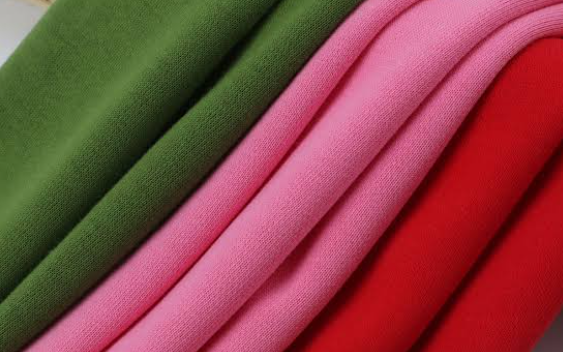
Fabric should be approved by more than a color photo.
A production-ready specification should include fiber composition, construction, weight or approved hand feel, stretch and recovery, color reference, finishing treatment, shrinkage, colorfastness, and required performance tests.
Brands developing new collections can review this guide to hat-making materials and modern performance fabrics before choosing cotton, polyester, nylon, recycled materials, or technical fabrics.
For textile products, use the correct Pantone textile color system rather than relying on an on-screen color or general color name.
For water resistance, UPF, moisture management, or other performance claims, ask which test method and pass level will be used. AATCC TM22 is commonly used to evaluate resistance to surface wetting, while AATCC TM183 measures ultraviolet transmission through fabric.
The brand and factory should agree on the test method, testing stage, and required result before production begins.
3. Measure the Crown and Fit
Two hats can look similar on a table but fit very differently.
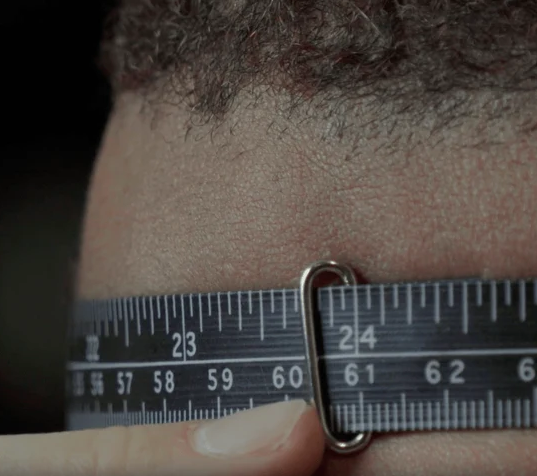
The tech pack should define the inside head opening, crown height, front-panel width, brim length and width, rear opening, closure length, and adjustment range. Each point needs a target value, measuring method, and tolerance.
Check the sample from the front, side, top, back, and inside. Look for symmetry, correct crown height and depth, no twisted panels, a balanced rear opening, and comfortable fit at several closure positions.
For custom headwear sold online, fit consistency is especially important because customers cannot try the product before purchase. An incorrect crown depth or head opening may lead to returns even when the cap looks acceptable in product photography.
4. Inspect Stitching, Brim, and Interior Construction
There is no single stitch count that guarantees premium quality. Stitch density should suit the fabric, seam, thread, stretch, and stress level.
Review crown seams, brim attachment, sweatband stitching, rear openings, labels, and closures. Look for straight sewing, secure backtacking, no skipped stitches, no loose loops, no puckering, and no exposed raw edges.
The brim specification should include length, width, insert material, stiffness, curve, upper and under-brim fabric, stitch rows, and packing method. Check symmetry, edge smoothness, curve consistency, and resistance to twisting.
Then turn the hat inside out. Check seam tape, embroidery backing, labels, sweatband joining, and thread cleanliness. A polished exterior should not hide uncomfortable or unfinished interior work.
5. Check Embroidery and Logo Placement
For custom embroidered hats, logo quality depends on the relationship between artwork, fabric, backing, needle, thread, and cap structure.
The specification should define finished logo size, exact position, distance from seams, colors, technique, thickness, and placement tolerance.
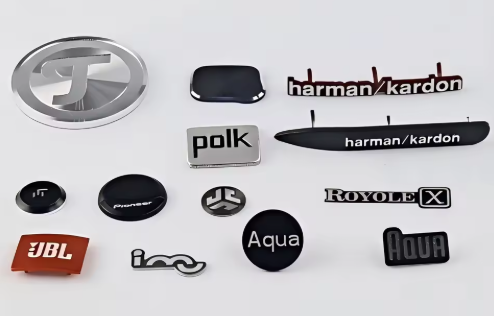
For 3D puff embroidery, woven patches, silicone, TPU, TPR, PVC, or heat-transfer logos, review edge quality, adhesion or stitching, flexibility, color consistency, and surface distortion.
A logo can be technically centered on a panel but still look visually off-center when worn. Review the sample on a head form or person, not only while it lies flat.
6. Confirm Sweatband, Ventilation, and Closure
The sweatband directly affects comfort and fit. Check its material, width, stretch, recovery, attachment, joining point, and edge softness.
Ventilation may use embroidered eyelets, metal eyelets, laser perforations, or mesh panels. Choose according to airflow, weight, corrosion risk, and water-resistance needs.
Closures may include plastic snaps, PE or TPE snaps, fabric straps, hook-and-loop systems, buckles, or stretch-fit construction. Review adjustment range, strength, strap length, color, comfort, and rear-opening shape.
More expensive hardware is not always better. The correct choice is the one that matches the product use and customer experience.
7. Turn the Approved Sample Into a Bulk Standard
Before production, confirm final fabric, trims, colors, measurements, tolerances, crown shape, brim shape, logo method, accessories, labels, packaging, testing, and workmanship requirements.
Every approved change should be recorded in the latest custom hat tech pack. Old files should be removed from the production workflow.
The approved sample, final artwork, bill of materials, and tech pack should all communicate the same standard.
8. Use Inline and Final Quality Control
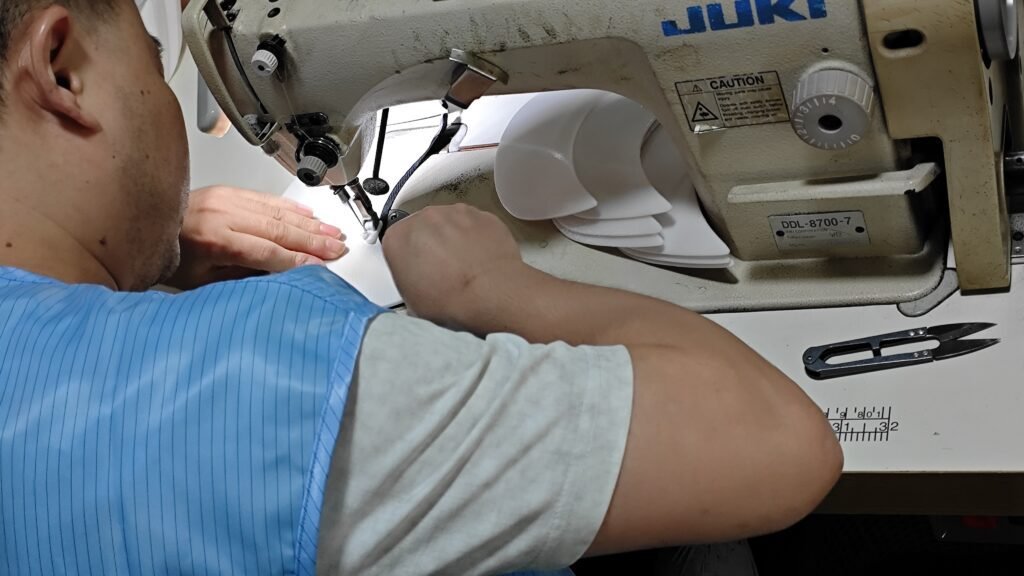
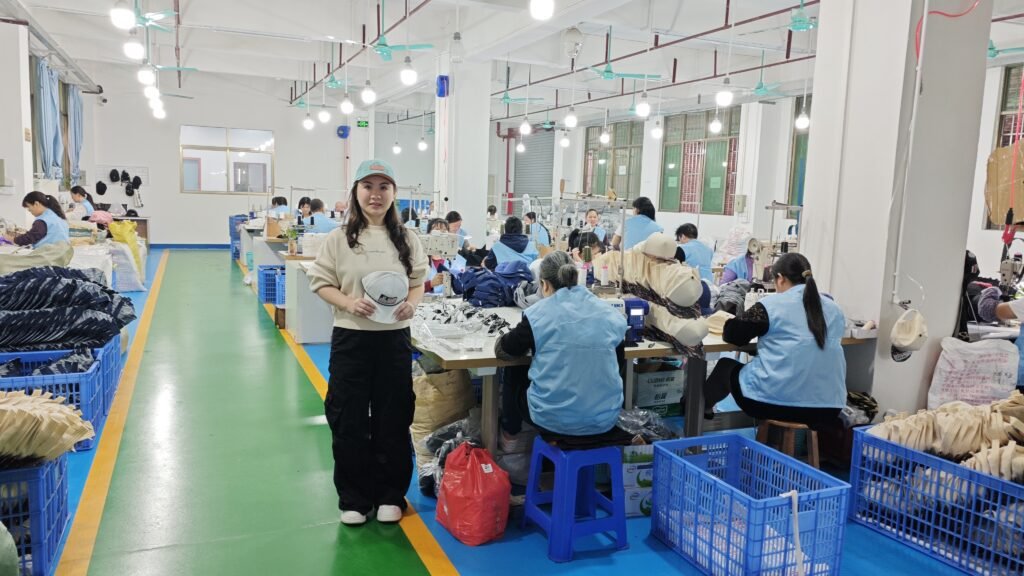
A reliable custom hat manufacturer should inspect quality during production, not only after every cap has been completed.
A practical process includes material inspection, pre-production review, approved sample confirmation, inline inspection, final inspection, and corrective action.
Final inspection may use an agreed Acceptance Quality Limit. ISO 2859-1:2026 defines sampling procedures for lot-by-lot inspection by attributes.
The brand and supplier should agree on inspection level, defect classifications, and acceptance limits before production. Simply stating “AQL inspection” without defining the criteria can still create misunderstandings.
A Real Construction Example
In one six-panel development, a heat-applied front patch was planned across the raised center seam.
During sample review, the patch could not sit evenly or bond securely over the seam. Continuing with the original method would have increased the risk of lifting edges and an uneven appearance.
The logo was changed to a sewn-on application, improving edge security and reducing the risk of separation during wear.
The lesson is simple: logo technique should be selected according to cap structure and fabric, not only artwork.
Questions to Ask Your Manufacturer
Before approving bulk custom hats, ask which physical sample will be used as the production standard, whether measurements and tolerances are documented, how bulk fabric and logo placement will be controlled, when inline inspection will occur, which AQL limits will apply, and how approved changes will be recorded.
Clear answers reveal more than a generic promise of “high quality.”
Get a Cap Construction Review Before Sampling
JoinTop develops custom hats, custom caps, custom embroidered hats, performance hats, golf hats, outdoor hats, and private-label headwear for brand customers.
Our standard MOQ generally starts from 100 pieces per style or SKU. Custom sampling normally takes approximately 18–25 days, while bulk production generally takes approximately 45–50 days after sample approval, depending on materials, testing, trims, and development complexity.
Send us your reference cap, artwork, or tech pack. Our team can review the fabric, structure, fit, logo technique, and sample-to-bulk risk points before sampling begins.



 English
  German
  Spanish
  French
  Amharic
  Portuguese
  Italian
  Swedish
  Turkish
  Belarusian
  Danish