
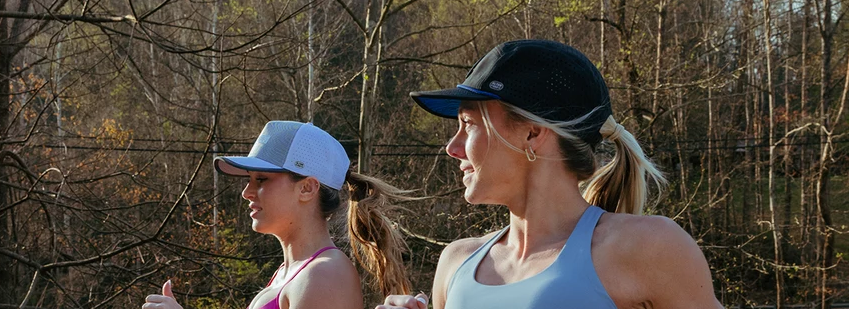
For brands sourcing waterproof hats for ladies, the important decision is the finished hat system, not the fabric name alone. A normal five-panel or six-panel cap can work for commuting, golf, travel, outdoor work, and light rain, but the crown, brim, seams, sweatband, ventilation, closure, logo method, and care instructions all affect how the product performs. A cap may shed water on the crown and still let water through a seam or absorb moisture through the sweatband.
Start with the rain scenario, not the word waterproof
“Waterproof hats for ladies” covers several different buying situations. A customer walking from a car to an office needs a different product brief from a golfer playing through a long shower or a runner wearing the cap for two hours. The first brief should describe exposure, movement, heat, and the level of protection the brand intends to claim.
- Short urban exposure: prioritize a clean fit, a comfortable sweatband, a brim that keeps rain out of the eyes, and a finish that resists surface wetting.
- Golf and outdoor lifestyle: balance rain protection with ventilation, visor stability, color consistency, and a logo method that survives normal care.
- Running and active use: keep the cap light, control sweat contact, and test the crown, seam, and closure after movement. A coating that blocks water but traps heat may not suit the intended wearer.
- Workwear or extended exposure: define the rain duration, direction, and contact points. The buyer may need stronger evidence for seams, brim attachment, and care performance than a lifestyle cap does.
Write the intended use in the product specification. “For light rain during daily wear” is more useful than “waterproof women’s hat.” It tells the supplier what to discuss and tells the marketing team what the finished product can reasonably claim.
Water-repellent, water-resistant, and waterproof are separate requirements
These terms should not be used interchangeably in a purchase order. Water repellency describes how water wets the fabric surface. Water resistance describes how much water pressure or exposure the material or finished product can withstand under an agreed test. Waterproof is a stronger market claim that needs clear evidence for the actual construction being sold.
| Buyer term | What it should mean in the brief | Risk if it stays vague |
|---|---|---|
| Water-repellent | Water beads or spreads slowly on the surface. Ask for the finish, test method, and condition before and after care. | The crown may look dry while seams, the underside, or the sweatband absorb water. |
| Water-resistant | Define the material or finished-hat test and the acceptance level. State whether the result applies to fabric panels or the complete cap. | A fabric result may be presented as proof that the finished hat is rainproof. |
| Waterproof | Define the rain scenario, critical construction details, test method, claim language, and care limits before sampling. | The product may fail at stitch holes, panel joins, eyelets, brim attachment, or closure areas. |
The distinction is supported by established textile testing methods. AATCC TM22 measures a fabric’s resistance to wetting by water and is commonly used to evaluate water-repellent finishes. AATCC TM127 measures resistance to water penetration under hydrostatic pressure. AATCC also notes that the result from a hydrostatic-pressure method may not be the same as a result from a rain or spray method. ISO 811:2018 is the current ISO hydrostatic-pressure method for resistance to water penetration.
For a brand, the practical lesson is simple. Put the test method beside the claim. Do not ask a factory to “make it waterproof” without agreeing on what will be tested, whether the test uses fabric or a finished cap, and what the result allows the brand to say. The Federal Trade Commission’s guidance also makes the broader point that advertising claims need a reasonable basis and must not mislead buyers.

Choose a normal five-panel or six-panel cap platform
For most women’s waterproof cap programs, a normal five-panel or six-panel construction is easier to fit, decorate, inspect, and reorder than an unusual pattern. The choice should follow the collection’s visual language and the location of the highest water and stress risks.
| Platform | Useful when | Points to confirm before sampling |
|---|---|---|
| Five-panel cap | The front needs a clean branding field or the collection has a sportier, technical look. | Front-panel shape, seam position, crown height, logo clearance, visor angle, and whether the front seam needs extra protection. |
| Six-panel cap | The brand wants a familiar baseball-cap profile with a more traditional crown and panel balance. | Front seam and panel alignment, center height, side-panel ventilation, visor attachment, and whether the pattern is consistent across sizes. |
The panel count does not decide fit by itself. Measure the head range, crown depth, front height, visor length, rear opening, and adjustment range on the finished sample. A women’s collection may need a different fit block from an existing unisex cap, but the answer should come from wearer trials and measurement, not from a color label or a marketing assumption.
Hair is another practical fit issue. If the customer may wear a ponytail, specify where the opening sits, how much adjustment remains after the cap is worn, and whether the closure rubs against the hair. Test the cap on more than one wearer. A fit that works on a mannequin may feel tight at the back of the head or unstable during movement.
Build the waterproof performance from the fabric outward
Face fabric and finish
Ask for the fiber content, fabric construction, weight, stretch direction, color reference, and finish. Polyester and nylon can both be used in performance caps, but the finished result depends on the yarn, weave or knit, coating or finish, lining, and the way the pieces are sewn. A fabric name alone does not prove waterproof performance.
A durable water-repellent finish can improve surface beading, but it does not automatically seal stitch holes or turn a sewn cap into a waterproof shell. If the product uses a coating, membrane, or laminated layer, check its hand feel, noise, flexibility, breathability, and behavior around curved seams. A fabric that performs well as a flat laboratory specimen may need a different construction plan once it is cut and sewn into a cap.
Seams, panel joins, and stitch holes
Curved cap seams are small, repeated water-entry points. The brief should identify the seams that need attention, such as the front seam, side-panel joins, crown-to-sweatband seam, visor attachment, and any seam near an eyelet or ventilation opening. Discuss whether the project needs seam tape, binding, a protective construction, or a lower level of rain protection that is honest for the intended use.
Do not approve a waterproof fabric swatch and assume the cap is complete. The final sample should use the same needle, thread, seam allowance, topstitching, seam treatment, and logo decoration planned for production. If the supplier changes any of those details after testing, the result may no longer represent the product that the customer buys.
Brim, sweatband, eyelets, and closure
The visor keeps water away from the face, but it can also hold moisture at the edge of the crown. Check the visor shape after wetting, the edge finish, the attachment seam, and whether the underside darkens or distorts. The sweatband touches the wearer for long periods, so comfort and drying behavior should be reviewed together with the water requirement.
Eyelets and laser ventilation can improve airflow, but every opening changes the rain strategy. If the cap is intended for active use, place ventilation where it helps heat release and confirm how the opening behaves when the wearer is moving through rain. If the opening is exposed, do not describe the entire cap as waterproof without evidence for that construction.
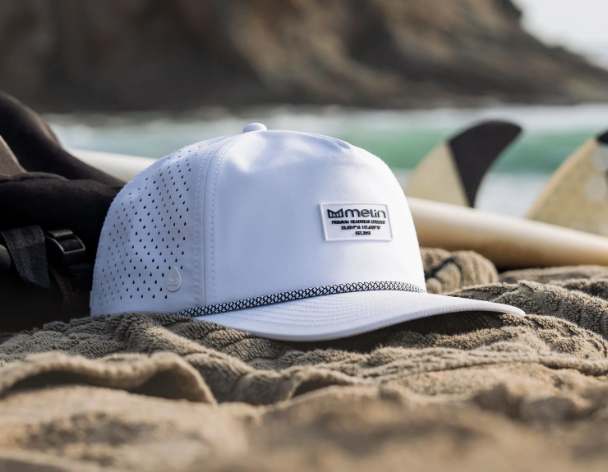
Logo and trim choices for a rain-ready women’s cap
Decoration affects both appearance and water management. The right choice depends on logo size, detail, fabric stability, and the rain claim.
- Flat embroidery: useful for many brand marks, but stitch density, underlay, and placement need to be tested on the final fabric. Dense embroidery can stiffen a panel and create more needle penetrations.
- Woven or printed patch: can create a clean logo field, but the edge construction and attachment method must match the surface and care plan.
- TPU, PVC, or silicone decoration: can give a technical appearance and protect a small logo area, but the bonding or sewing method needs to be checked after flexing, wetting, and cleaning.
- Laser ventilation: can support airflow on a performance cap, but the hole size, location, density, and rain exposure should be part of the sample review.
A logo approval should include more than a flat mock up. Review the real sew-out, patch edge, surface color, logo scale, placement from the front and side, and the way the decoration sits when the crown is worn. JoinTop’s logo techniques for custom hats page can be used as a starting point when comparing decoration methods.
Specification matrix for waterproof hats for ladies
The matrix below can be copied into an RFQ or tech pack. The final values should be filled in by the buyer and supplier together. Leaving a row blank creates a decision gap that usually appears later as a sample change, a quality dispute, or a reorder mismatch.
| Component | Write into the specification | Evidence to approve |
|---|---|---|
| Cap platform | Five-panel or six-panel, profile, crown height, visor shape, size range, and adjustment type. | Measurement sheet and on-head fit photos from the final sample. |
| Water objective | Repellency, resistance, or waterproof use case. State the rain exposure and agreed test method. | Test report or controlled internal result tied to the actual fabric and construction. |
| Fabric | Fiber content, construction, weight, stretch, finish, color reference, and lining if used. | Approved swatch, lot reference, and final-cap sample. |
| Critical seams | Front, side, crown, sweatband, visor, eyelet, and closure areas that need special treatment. | Inside and outside photos, seam review, and rain-use test notes. |
| Ventilation | Eyelets or laser holes, position, size, density, and whether they are exposed to rain. | Placement drawing and finished sample check. |
| Logo | Method, size, location, colors, stitch or bonding detail, and acceptable tolerance. | Mock up, sew-out or physical logo sample, and final decorated cap. |
| Fit and closure | Head measurement range, rear opening, adjustment range, sweatband height, and wearer profile. | Fit trial on the intended wearer group, including hair and movement checks. |
| Care and claims | Care instructions, claim wording, test limitations, and any warning about prolonged exposure. | Approved label copy and claim review before marketing release. |
| Bulk control | Color tolerance, logo placement tolerance, seam appearance, measurement tolerance, inspection level, and packing method. | Pre-production sample, inspection record, photos, and carton approval. |
| Reorder file | Approved sample reference, fabric lot, color reference, logo file, measurement sheet, and change history. | A single controlled file used for the next purchase order. |
Approve the finished sample, not only a fabric swatch
A swatch helps the team discuss color, hand feel, and surface finish. It cannot confirm how a curved five-panel or six-panel cap will fit, how the brim will hold its shape, or where rain will enter. The sample should be made with the final fabric, final thread, final logo method, final closure, and the same seam treatments planned for bulk.
Use this review sequence before approving the sample:
- Check the crown measurements and wear the cap on at least two intended users.
- Review the front and side profile, visor angle, rear adjustment, sweatband contact, and hair clearance.
- Inspect the outside and inside of every critical seam. Photograph areas that need correction.
- Confirm the logo size, placement, color, stitch quality, patch edge, or bonding result.
- Run the agreed water test or send the finished sample to the agreed laboratory. Record the method and condition.
- Check ventilation and comfort after movement. A rain cap that feels hot or unstable may fail its intended use even if the fabric resists water.
- Review care instructions and claim wording with the same sample that was tested.
- Sign one approval record and keep the physical sample or a controlled reference for bulk inspection.
JoinTop’s custom hat sampling process page shows the type of information that should move from a concept into a physical sample. The useful point for buyers is control. A sample is valuable when it closes decisions, not when it simply looks close to a reference image.
Bulk quality control for women’s waterproof caps
Bulk inspection should follow the approved sample and the specification matrix. Check the material before cutting, the construction during sewing, and the finished cap before packing. The inspection plan should separate critical defects from appearance variations that the brand has already accepted.
- Material stage: verify fabric identity, color, finish, width, stretch direction, and lot consistency against the approved reference.
- Construction stage: inspect panel alignment, seam allowance, stitch quality, visor attachment, sweatband position, eyelets, closure, and logo placement.
- Finished-cap stage: measure representative pieces, check appearance and fit, confirm the rain-related construction, and photograph any deviation before packing.
- Packaging stage: make sure caps are protected from crushing, moisture, dirt, and mixed-SKU errors. The carton mark and packing list should match the approved order.
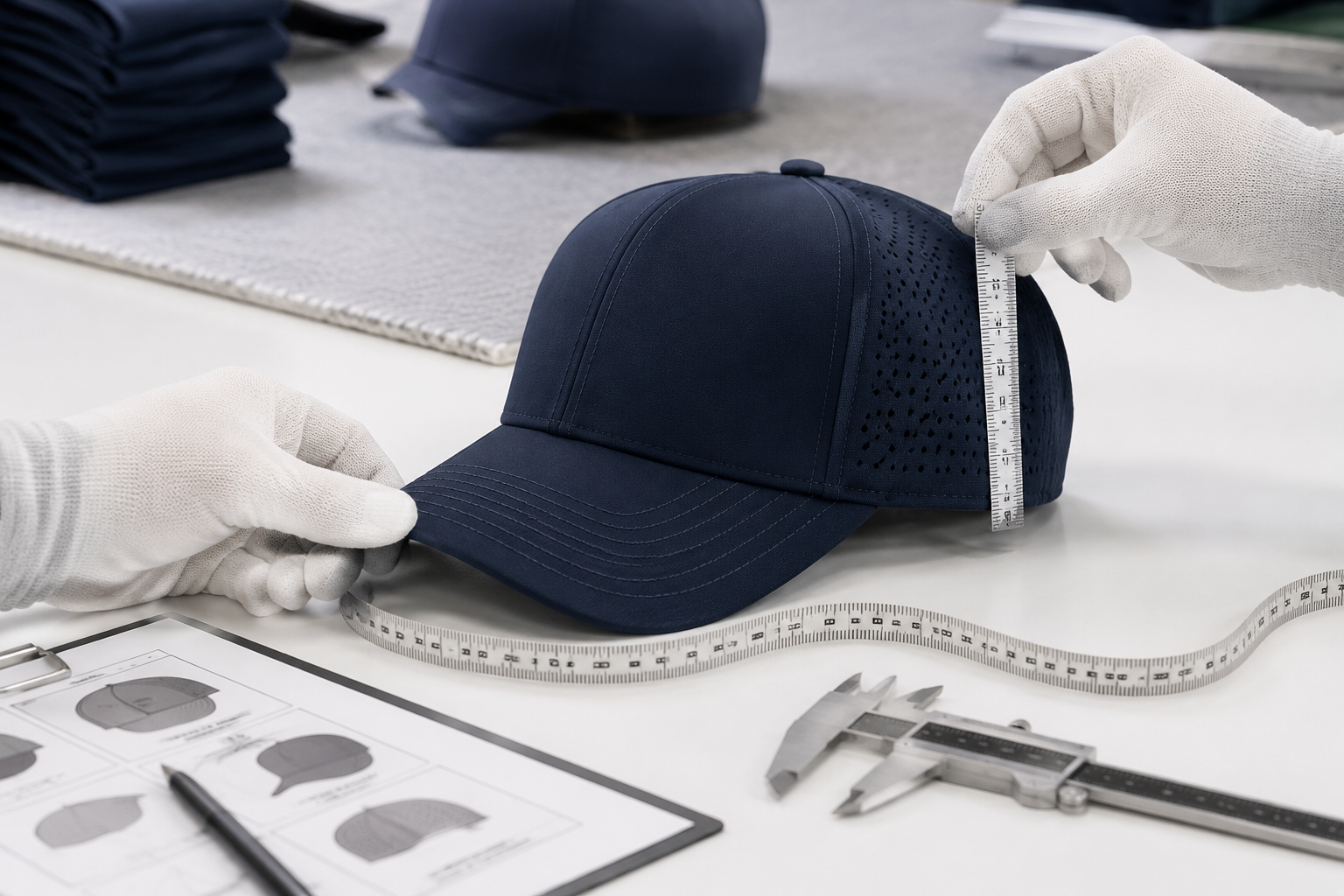
For a repeat order, the approved sample should remain the reference point. A supplier can use a different fabric lot or production batch, but that change should be recorded and checked. Reorders become difficult when the buyer has only an email description such as “same as last time” and no controlled measurement, color, logo, or water-performance record.
JoinTop’s hat quality control process page provides a useful structure for discussing inspection maps, production files, control routes, corrective action, and inspection records. The exact inspection level should be agreed for the program rather than assumed from a generic promise.
Compare suppliers by evidence, not by the word waterproof
When comparing a factory, sourcing office, or private-label supplier, ask the same questions to every candidate. The supplier that gives the lowest unit price may not produce the lowest landed cost if the first sample fails, the fit changes across colors, or the reorder cannot match the original cap.
| Supplier question | Useful answer | Warning sign |
|---|---|---|
| What does waterproof mean for this cap? | The supplier names the intended use, construction, test method, and claim limit. | The answer is only “we can use waterproof fabric.” |
| Can you show the same five-panel or six-panel platform? | The supplier can explain the fit block, measurements, and available decoration areas. | The supplier shows unrelated photos or avoids measurement details. |
| How will seams and openings be handled? | The supplier identifies critical seams, eyelets, laser holes, brim attachment, and sweatband exposure. | The discussion stays at the fabric level. |
| How is the sample approved? | The supplier records fabric, logo, fit, measurements, test condition, and changes. | Approval is based only on a digital mock up or one quick photo. |
| How will bulk consistency be checked? | The supplier uses an agreed inspection record and keeps the approved reference. | There is no written tolerance or inspection evidence. |
| How will the cap be reordered? | The supplier keeps a controlled file for fabric, color, logo, fit, packaging, and changes. | Every reorder starts from memory or a new image search. |
A practical sourcing path for a new collection
- Write the use case. State who will wear the cap, how long, in what weather, and what the brand wants to claim.
- Choose the platform. Select a normal five-panel or six-panel cap and define fit, visor, closure, ventilation, and logo space.
- Build the material brief. List fiber content, construction, finish, color, hand feel, stretch, lining, and care needs.
- Request a production quote. Send quantity by color and style, decoration details, packaging expectations, target market, and required evidence.
- Approve the physical sample. Use the final materials and construction. Record changes instead of approving by memory.
- Confirm the bulk plan. Lock the specification, inspection points, packing method, and order documents before cutting.
- Protect the reorder. Save the approved sample reference, test record, color information, logo file, measurement sheet, and change history.
Questions buyers often ask
Are waterproof hats for ladies different from men’s waterproof caps?
The water-performance principles are the same. The product brief may differ in fit block, crown proportions, adjustment range, visor scale, and styling. Use wearer measurements and trials instead of relying on the label “women’s” or “men’s.”
Can a waterproof cap still be breathable?
It can be designed for a balance of water protection and airflow, but the result depends on fabric construction, finish, ventilation, lining, sweatband, and seam details. A supplier should not promise a performance level without describing the construction and test basis.
Can I add embroidery to a waterproof women’s hat?
Yes, embroidery can be considered, but the logo size, stitch density, backing, placement, and fabric stability should be checked on the finished sample. A patch, TPU, PVC, silicone, or printed decoration may suit a different rain and care requirement.
What should I send when requesting a quote?
Send the reference style, five-panel or six-panel preference, head measurement range, fabric direction, water objective, logo file, decoration method, color references, quantity by color, packaging needs, delivery market, and any required test or claim language. If some details are open, label them as open so the supplier can price the assumptions separately.
If you are developing waterproof hats for ladies, send your reference image or tech pack together with the target quantity, colors, logo method, intended weather, and fit requirements. JoinTop can then review the construction, suggest a practical five-panel or six-panel platform, and prepare a sample plan around the decisions that matter to your collection.



 English
 German
 Spanish
 French
 Amharic
 Portuguese
 Italian
 Swedish
 Turkish
 Belarusian
 Danish