

Selecting a baseball cap manufacturer is not a branding decision. For professional buyers, sourcing managers, and product development teams, it is a supplier qualification decision that directly affects product consistency, delivery reliability, and long-term supply chain stability.
China remains the core manufacturing base for baseball caps due to its mature headwear ecosystem, experienced workforce, and strong engineering capability. According to data from the World Trade Organization, China continues to be the world’s largest exporter of textile and apparel-related products, including headwear.
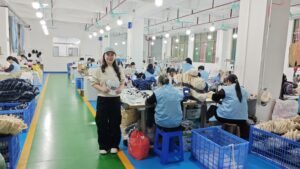
Manufacturing Experience and Process Maturity
Most established Chinese hat factories have long production histories serving international brands. Long-term manufacturing experience is a key factor in reducing production risk, as highlighted by global sourcing research from McKinsey & Company.
This experience results in better process control, tighter tolerances, and more predictable bulk production outcomes.
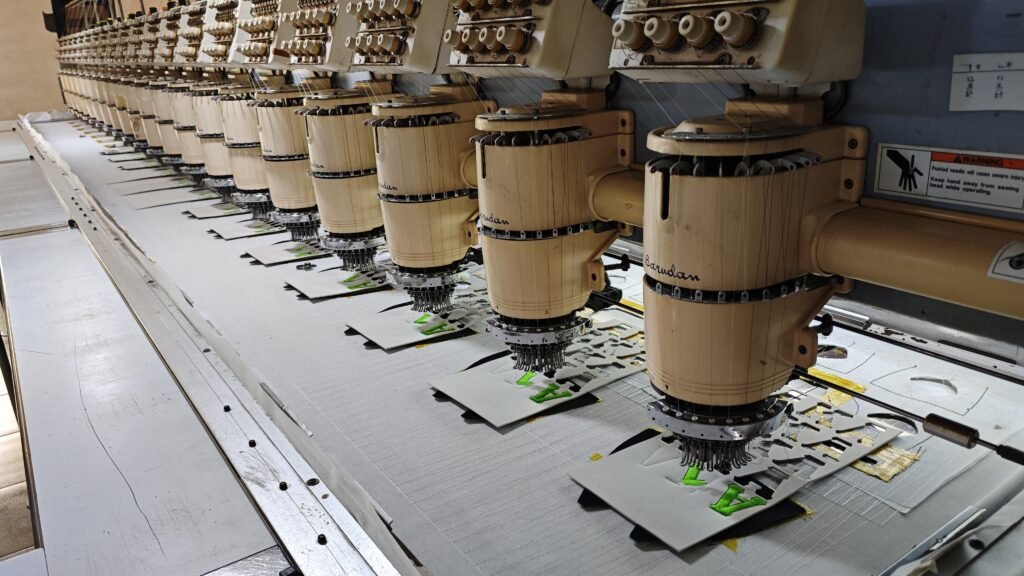
Supply Chain Integration
China offers a fully integrated headwear supply chain, including buckram, brim components, embroidery services, trims, and performance fabrics. Integrated supply chains reduce dependency risk and shorten lead times, a point also emphasized in sourcing studies by Deloitte.
This integration improves material consistency and reduces sample-to-bulk deviation.
Engineering and Repeatability
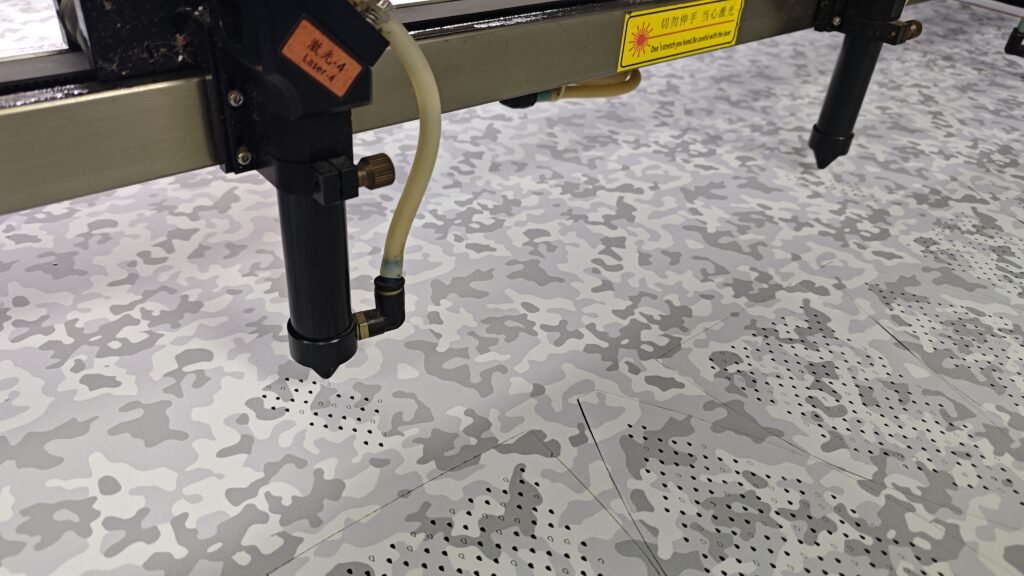
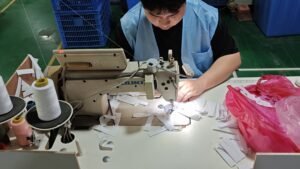
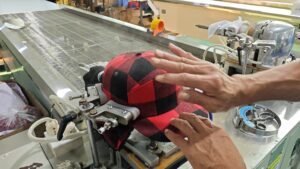
Structured baseball caps require control over crown geometry, panel alignment, cutting accuracy, and repeatability. These technical requirements align closely with general apparel quality control principles outlined by the American Apparel & Footwear Association.
Chinese manufacturers generally demonstrate stronger capability in these areas compared to emerging production regions.
How Professional Buyers Evaluate Baseball Cap Manufacturers
Experienced buyers do not evaluate factories based on price alone. Supplier qualification focuses on execution reliability and risk reduction, a standard approach in global procurement practices documented by organizations such as CIPS – The Chartered Institute of Procurement & Supply.
Structural Consistency
Buyers typically verify:
- Crown symmetry and panel alignment
- Stable crown height across colorways
- Consistent brim curvature
- Controlled cutting tolerances
Structural inconsistency often results in customer complaints and product returns.
Embroidery Execution
Embroidery quality is evaluated based on stitch density, tension stability, and execution accuracy. Industrial embroidery standards referenced by equipment manufacturers such as Tajima provide a general benchmark for professional embroidery expectations.
Reliable embroidery execution is essential for private-label and licensed programs.
Material Control
A qualified supplier should demonstrate consistent control over:
- Buckram hardness
- Brim board specifications
- Fabric color matching
- Sweatband materials
Material variation is one of the most common causes of sample-to-bulk deviation, a risk frequently cited in apparel sourcing audits by firms such as SGS.
Sample-to-Bulk Reproducibility
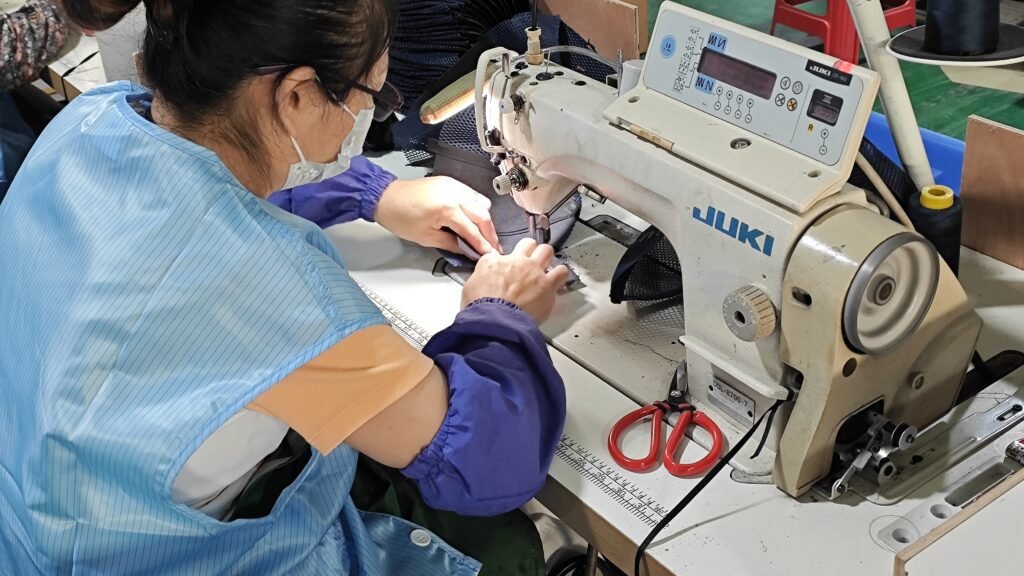
Professional buyers look for factories that can reliably reproduce approved samples in bulk production. Key indicators include locked specifications, tolerance control, and inline inspections, which align with widely adopted AQL inspection principles used across the apparel industry.
Technical Communication
Factories should be able to work efficiently with technical specification sheets, Pantone color references, and embroidery files. The use of standardized color systems such as those published by Pantone plays an important role in reducing color-related disputes.
Clear technical communication significantly reduces production risk.
Capacity and Scalability
Buyers assess whether a supplier can support future growth while maintaining lead time stability and quality consistency, a key consideration in long-term supplier relationship management.
JoinTop — Premium Hat Manufacturer
From a supplier qualification perspective, JoinTop is typically reviewed by buyers focusing on structural consistency, repeatability, and production alignment across locations.
When evaluated using standard sourcing criteria, JoinTop demonstrates stable crown geometry, controlled embroidery execution, and reliable sample-to-bulk consistency, supported by aligned production standards across China, Vietnam, and Bangladesh.
Multi-Location Production Alignment Overview
| Capability | China | Vietnam | Bangladesh |
|---|---|---|---|
| Crown molds | Aligned | Aligned | Aligned |
| Buckram sourcing | Unified | Unified | Unified |
| Brim components | Standardized | Standardized | Standardized |
| Embroidery files | Synchronized | Synchronized | Synchronized |
| Quality control | Inline and final | Inline and final | Inline and final |
This alignment allows buyers to balance cost and capacity without compromising product consistency, a sourcing strategy increasingly adopted by global brands to manage geopolitical and supply chain risk.
Professional Buyer Next Step
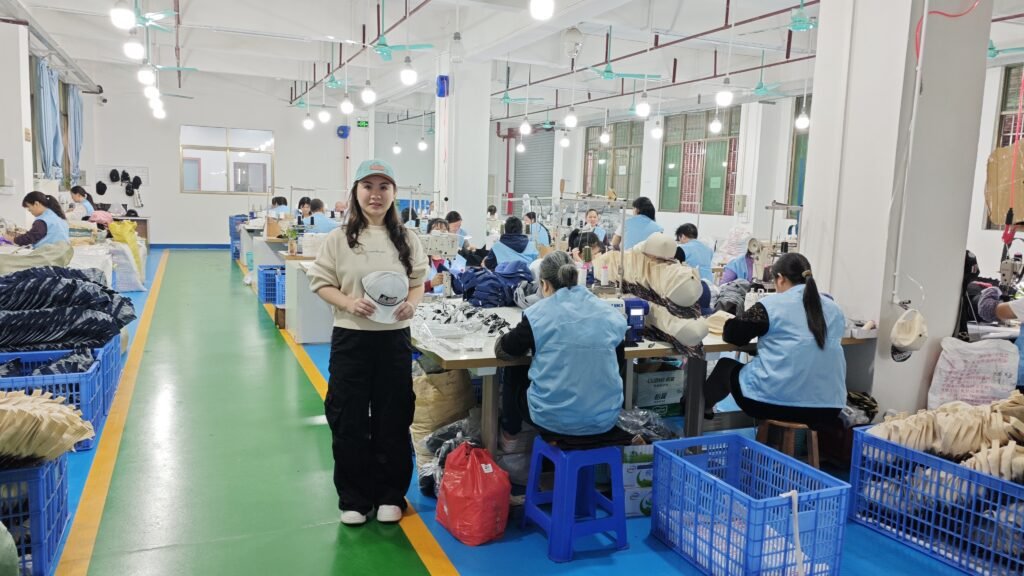
Once professional buyers have shortlisted several baseball cap manufacturers, the next phase is typically verification rather than negotiation.
At this stage, sourcing teams usually prepare a concise requirement brief that includes target cap styles, expected annual volume, key construction details, branding methods, and quality expectations. This approach aligns with best practices recommended by global procurement organizations such as CIPS.
Most buyers then request a controlled sample development process to evaluate structural accuracy, embroidery execution, and sample-to-bulk consistency. The goal is repeatability and risk reduction rather than speed.
Before moving into bulk production, experienced buyers also review quality control procedures, communication workflows, and production capacity planning to ensure long-term stability.
This structured approach helps brands minimize sourcing risk and build reliable, scalable supplier relationships.
Final Considerations for Professional Buyers
From a sourcing perspective, the most reliable baseball cap manufacturers operate as execution partners rather than simple production vendors.
When shortlisting suppliers, professional buyers prioritize structural consistency, material control, embroidery reliability, sample-to-bulk accuracy, technical communication, and capacity planning.
Selecting the right manufacturing partner is not about finding the lowest cost. It is about choosing a supplier capable of delivering consistent results across production cycles.


 Turkish
  English
  German
  Spanish
  French
  Amharic
  Portuguese
  Italian
  Swedish
  Belarusian
  Danish