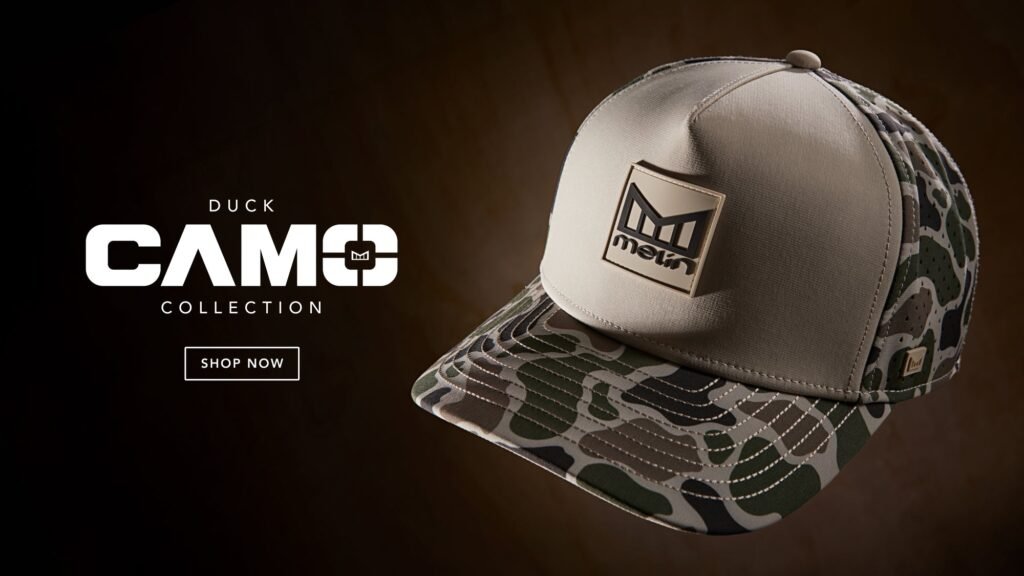
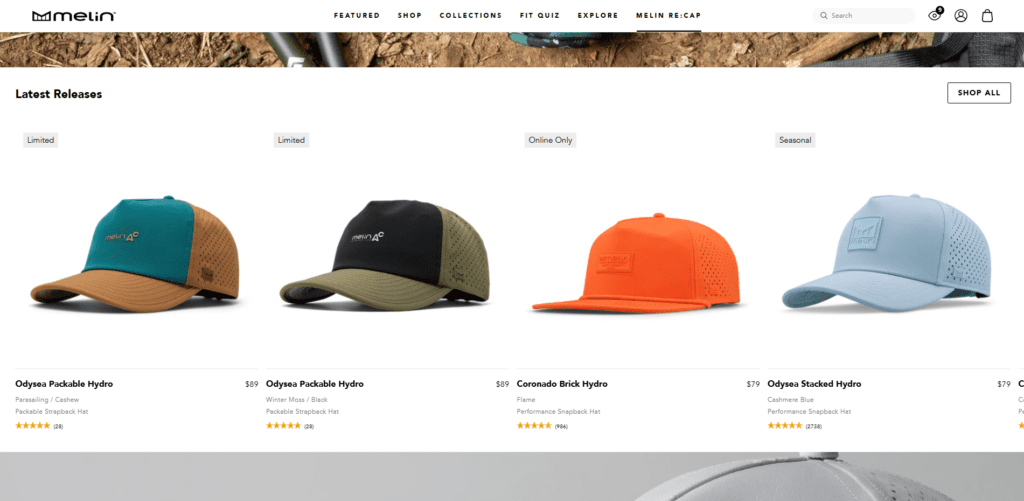
Melin custom hats get attention for a simple reason: they do not feel like ordinary promo caps.
They look cleaner. They feel more intentional. And they fit into everyday life better than the average hat with a logo placed on the front.
For hat brands, that is worth studying.
Quick Answer:
Melin custom hats feel premium because they combine better materials, a clean crown shape, comfortable fit, strong logo execution, and consistent manufacturing. The real lesson for brands is not to copy Melin. It is to understand why this type of headwear works, then use that thinking to create custom hats that fit their own audience and brand story.
A good hat does not need to shout. Most of the time, it wins because of the small things: the fabric, the fit, the brim, the sweatband, and the way the logo feels like it belongs there.
Melin is mentioned here only as an example of premium headwear positioning. JoinTop is not affiliated with, endorsed by, or officially connected to Melin.
Why Are Melin Custom Hats So Popular?
Most people do not think too deeply about hats until they wear a bad one.
A bad hat sits weird. It gets hot. The front panel collapses. The embroidery pulls the fabric. The brim looks off. After a few wears, it ends up in the back of a closet, where forgotten hats quietly retire.
Melin custom hats became popular because they sit in a different category. They are positioned as premium lifestyle and performance headwear.
That means someone might wear the same hat on the golf course, at the airport, on a boat, during a weekend trip, or while grabbing coffee on a Tuesday morning.
That kind of hat has to do more than look nice in a product photo.
It has to feel good after hours of wear. It has to hold its shape. It has to handle sweat, movement, sun, travel, and real life.
For brands, the takeaway is simple:
Customers notice quality even when they cannot explain it.
They may not say, “This crown structure is well balanced.” But they will say, “This hat just fits better.”
That is the reaction brands want.
What Makes a Hat Feel Premium?
A premium hat is not built from one magic feature.
It is not just the fabric.
It is not just the logo.
It is not just the price tag.
It is the way everything works together.
A premium custom hat should feel like a complete product from the start. The material should match the purpose. The structure should support the shape. The sweatband should feel comfortable. The logo should look clean. The stitching should be consistent.
This matters even more for brands selling custom performance hats, custom golf hats, private label hats, lifestyle caps, resort headwear, outdoor caps, or bulk custom hats for retail programs.
These are not just giveaways. They are part of the customer’s wardrobe.
And when a hat becomes part of someone’s weekly rotation, the brand wins.
Melin Custom Hats vs Average Custom Hats
The difference between average custom hats and Melin-style premium hats is not always loud.
It is usually quiet.
But customers feel it fast.
| Feature | Average Custom Hats | Melin-Style Premium Custom Hats |
|---|---|---|
| Fabric | Basic cotton or polyester | Performance fabric, nylon, stretch blends, refined cotton, or quick-dry materials |
| Shape | May lose structure | Cleaner crown shape and better profile |
| Fit | Standard fit | Tested for comfort and real wear |
| Sweatband | Basic sweatband | Softer, more comfortable, often moisture-focused |
| Logo | Basic embroidery | Embroidery, patches, badges, or mixed logo methods |
| QC | Simple inspection | Careful checking of shape, stitching, logo placement, and packing |
| Brand Feel | Promotional | Retail-ready and brand-building |
An average custom hat carries a logo.
A premium custom hat carries a brand experience.
That may sound a little fancy, but it is true. If the hat feels cheap, customers connect that feeling to the brand. If the hat feels good, they remember that too.
Can Brands Make Hats Like Melin Without Copying Melin?
Yes. And honestly, they should.
Copying another brand too closely is not a smart long-term move. It can create legal risk. It can also make your brand look like it does not know what it wants to be.
The better move is to study what makes Melin-style headwear work.
Ask better questions:
- What fabric gives the hat a cleaner feel?
- Why does the crown hold its shape?
- What sweatband makes it more comfortable?
- Which logo method fits the product best?
- How does the factory keep quality consistent in bulk production?
That is where the real value is.
A golf brand might use these ideas to build lightweight custom golf hats. A resort brand might focus on soft fabric, relaxed structure, and clean packaging. A streetwear brand might care more about crown shape, embroidery, and visual identity.
The goal is not to make a fake Melin hat.
The goal is to make a better hat for your own customers.
Start with the Customer, Not the Logo
A lot of custom hat projects start with the same sentence:
“Here is our logo. Can you put it on a hat?”
That is not wrong.
But it is not enough.
For premium custom hat development, the better first question is:
“Who is going to wear this hat, and how are they going to use it?”
That answer changes everything.
A custom golf hat needs a different feel from a streetwear snapback. A fishing hat has different needs from a resort cap. A running cap needs a different fit from a casual lifestyle hat.
Before choosing fabric or embroidery, brands should define the use case.
Is the hat for golf, travel, outdoor wear, team sports, retail, corporate gifting, resort shops, or lifestyle collections?
Once that is clear, the rest of the decisions get easier.
The fabric makes more sense. The structure makes more sense. The logo method makes more sense. Even the packaging makes more sense.
A good custom hat manufacturer should help with this thinking. If a factory only asks for color, quantity, and logo file, the product may stay basic.
Premium hats need more conversation before production starts.

Fabric Is Where Customers Feel the Difference First
Most customers will not ask what fabric you used.
But they will feel it.
Fabric affects weight, breathability, stretch, shape, color, comfort, and logo performance.
For premium custom hats, brands may consider cotton twill, nylon, polyester blends, stretch fabric, performance mesh, recycled fabrics, quick-dry materials, water-resistant fabric, or moisture-wicking sweatbands.
There is no one perfect material for every cap.
A custom performance hat may need lightweight fabric and breathability. A custom golf cap may need sweat control and a clean structure. A lifestyle cap may need a softer hand feel and richer color. A travel hat may need durability and shape recovery.
For outdoor or golf-focused hats, brands may also consider sun-friendly fabric options. The Skin Cancer Foundation explains how sun-protective clothing and UPF-rated fabrics can help reduce UV exposure.
The fabric should support the promise your brand is making.
If the hat is positioned as a performance product, it should not feel heavy and hot. If it is sold as premium lifestyle headwear, it should not feel like something picked up at a parking lot event.
Nothing against parking lot events. But that is not the dream.
This is where an experienced custom cap manufacturer can help. The factory should understand fabric weight, stretch, shrinkage, color consistency, breathability, and logo compatibility.
Because a fabric can look great in a photo and still cause problems in production.
That is not fun to discover after the order is already moving.
Fit and Structure Matter More Than Most Brands Think
Fit is why people keep wearing a hat.
Structure is why the hat looks good while they do it.
A cap can have the right color, the right logo, and the right price. But if it sits awkwardly on the head, customers will not reach for it again.
Fit depends on crown depth, panel shape, sweatband, closure, brim shape, and size consistency.
Structure affects how the front panel holds up, how the brim frames the face, and how the hat looks in product photos.
Premium custom hats usually pay close attention to crown height, front panel support, brim curve, panel balance, sweatband feel, closure style, and overall profile.
A structured 6-panel cap may be right for a clean retail look. A 5-panel hat may work better for outdoor, golf, or lifestyle brands. A custom rope hat needs the right profile and rope placement. A trucker hat needs balance between front structure and mesh comfort.
The key is not choosing the “best” structure.
The key is choosing the right structure for your customer.
And please, wear the sample. Do not just look at it on a desk.
Put it on. Walk around. Bend the brim. Try the closure. Look at it from the side. Give it more than five minutes.
A hat that looks good on a table may not feel good on a person.
And people, inconveniently, are the ones buying it.
Logo Application Should Not Look Like an Afterthought
The logo is usually the first thing people see.
So yes, it matters.
But good logo application is not just about making the logo visible. It has to match the fabric, the structure, and the brand style.
For custom embroidered hats, details like stitch density, thread choice, backing, logo size, and placement all matter.
Bad embroidery can pull the fabric, blur small details, or make the front panel look uneven.
Embroidery is not the only option.
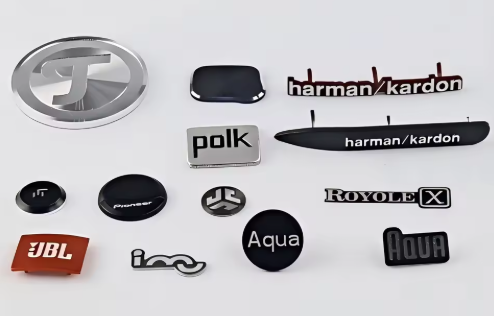
Premium custom hats may use flat embroidery, 3D puff embroidery, woven patches, rubber patches, leather patches, silicone badges, heat transfers, printed panels, or mixed decoration methods.
Each one sends a different message.
A golf brand might choose a clean silicone badge. A heritage brand might choose a woven patch. A streetwear brand might choose bold 3D embroidery. A resort brand might choose something soft and subtle.
The logo should feel like it was designed with the hat, not added after everything else was finished.
That is why a good OEM hat manufacturer or ODM cap supplier should test the logo method on the actual fabric before bulk production.
A design may look perfect on a screen but behave very differently on stretch fabric, nylon, mesh, or textured cotton.
Good decoration is part branding, part production knowledge, and part common sense.
All three help.
Quality Control Is Where Premium Really Shows Up
One great sample is nice.
Consistent bulk production is better.
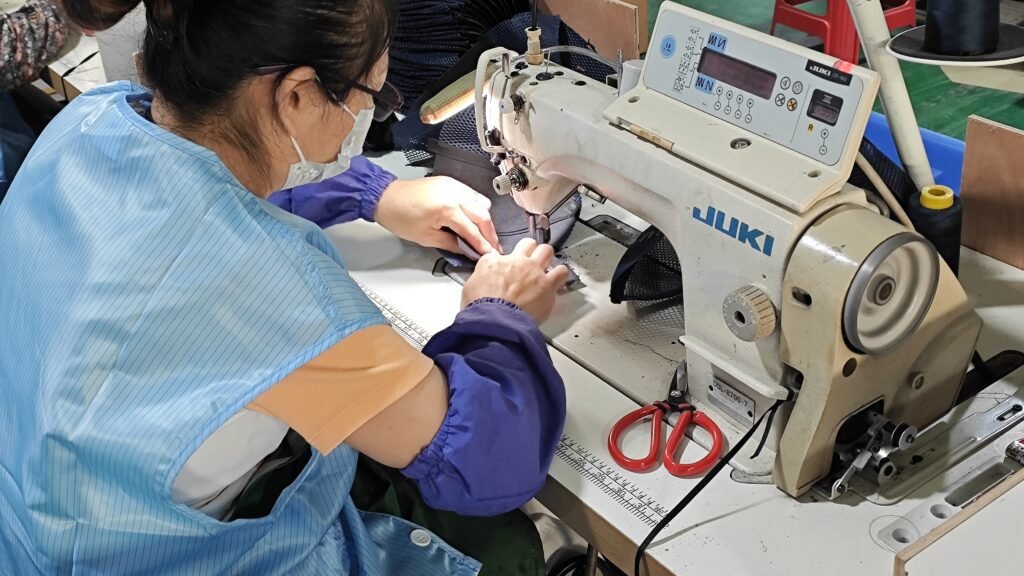
This is where premium custom hat manufacturing gets serious. A sample can look excellent, but the real test is whether the factory can repeat that quality across hundreds, thousands, or tens of thousands of hats.
For premium hats, quality checks should include fabric color consistency, crown shape accuracy, brim curve and symmetry, logo placement, embroidery or patch quality, stitching consistency, sweatband attachment, inside taping, label placement, closure function, loose thread trimming, and packing protection.
For textile-related testing and performance standards, brands can refer to organizations such as AATCC, which develops test methods and standards used across the textile industry.
These details may sound small.
They are not.
A crooked logo makes the brand look careless. A rough sweatband makes the hat feel cheap. A weak brim hurts the whole product. Poor packing can damage the hat before the customer even sees it.
This is why brands should work with a custom hat manufacturer that understands both sampling and bulk production.
The goal is not one nice cap.
The goal is the same nice cap, again and again.
That is how a hat brand earns trust.
Keep Performance Claims Honest
Premium headwear often comes with product claims.
Breathable.
Moisture-wicking.
Water-resistant.
UV-friendly.
Recycled.
Sustainable.
These words can help customers understand the product, but they should be used carefully. For brands selling in the U.S. market, product claims should be clear, truthful, and easy to support. The FTC advertising and marketing guidance is a useful reference for general marketing claims.
If a brand wants to use recycled or sustainability-related claims, the FTC Green Guides are also worth reviewing.
This does not mean brands should avoid strong product messaging.
It simply means the product, testing, and marketing language should line up.
That is better for customers. It is also better for long-term brand trust.
How JoinTop Helps Brands Create Melin-Style Premium Custom Hats
For brands that want to create Melin-style premium custom hats without copying Melin, JoinTop can support the full development process from idea to bulk production.
JoinTop works with custom hat development, private label hats, OEM hat manufacturing, ODM cap development, custom performance hats, custom golf hats, custom baseball caps, and bulk custom hats.
With owned factories in China, Vietnam, and Bangladesh, JoinTop gives brands more flexibility in sourcing, sampling, cost planning, and scalable production.
Some brands come with a full tech pack. Others start with a reference image, a logo file, and a rough idea. Both are workable starting points.
From there, JoinTop can help discuss fabric options, crown shape, fit, sweatbands, trims, labels, packaging, logo methods, and quality standards.
The goal is not to copy another brand’s hat.
The goal is to help your brand build a better version of its own hat.
Better fabric. Better fit. Better samples. Better production control.
That is how better hats get made.
What Should Brands Prepare Before Starting Custom Hat Production?
A better inquiry usually leads to a better sample.
Brands do not need to have everything perfect before contacting a private label hat manufacturer or custom headwear supplier. But a few details make the process much smoother.
| What to Prepare | Why It Helps |
|---|---|
| Reference images | Shows the style, shape, and finish you like |
| Target customer | Helps define fabric, fit, and price point |
| Hat type | Guides structure and production method |
| Logo file | Needed for embroidery, patch, badge, or print development |
| Target quantity | Affects pricing and production planning |
| Target price | Helps guide fabric and decoration choices |
| Packaging needs | Supports retail presentation and shipping protection |
| Timeline | Helps plan sampling and bulk production |
| Market position | Clarifies whether the hat is promo, retail, or premium |
“Make it high quality” is a start.
But this is better:
“Make a lightweight, structured custom golf cap with a moisture-wicking sweatband, silicone logo badge, mid-profile crown, and retail packaging.”
That kind of direction gives the manufacturer something useful to work with.
The clearer the brief, the better the sample.
FAQs About Melin Custom Hats and Premium Hat Manufacturing
Are Melin custom hats worth studying for hat brands?
Yes. Melin custom hats are worth studying because they show how fabric, fit, structure, comfort, and brand positioning work together. Brands should not copy Melin, but they can learn from the product thinking behind premium headwear.
What makes Melin hats different from regular custom hats?
Melin-style hats usually feel more premium because of better material choices, cleaner structure, comfortable fit, refined logo application, and stronger quality control. Regular custom hats often focus mainly on decoration, while premium hats focus on the full wearing experience.
Can a brand make hats like Melin?
A brand can create hats inspired by Melin-style premium standards, but it should not copy Melin’s designs or branding. The smarter path is to build original custom hats using better fabric, fit, structure, logo application, and manufacturing control.
What is a Melin-style custom hat?
A Melin-style custom hat usually means a premium performance or lifestyle cap with clean structure, comfortable fit, quality materials, strong logo execution, and a retail-ready feel. It is more about product quality than copying one specific design.
How do I find a custom hat manufacturer for premium hats?
Look for a custom hat manufacturer with strong sampling ability, fabric knowledge, logo application experience, bulk production capacity, quality control systems, and clear communication. For U.S. brands, experience with retail-level expectations is also important.
Can JoinTop make Melin-style premium custom hats?
JoinTop can help brands develop high-quality, Melin-style premium custom hats in the sense of creating performance-driven, retail-ready headwear. JoinTop does not copy Melin products or claim any official connection to Melin. Instead, JoinTop helps brands build their own premium custom hats through material selection, sampling, logo application, quality control, and bulk production.
Final Thoughts
Melin custom hats are popular because they show what better headwear can feel like when fabric, fit, structure, decoration, and manufacturing all work together.
For hat brands, the opportunity is not to copy Melin. It is to create your own premium custom hats with the same level of product thinking.
Start with the customer. Choose the right fabric. Test the fit. Get the logo method right. Pay attention to quality control. Work with a manufacturer that understands the difference between a basic cap and a retail-ready product.
If your brand is planning a premium custom hat project, JoinTop can help review your style direction, materials, logo application, and production plan before sampling.
Build a hat your customers want to wear again. That is where premium really starts.

 English
  German
  Spanish
  French
  Amharic
  Portuguese
  Italian
  Swedish
  Turkish
  Belarusian
  Danish