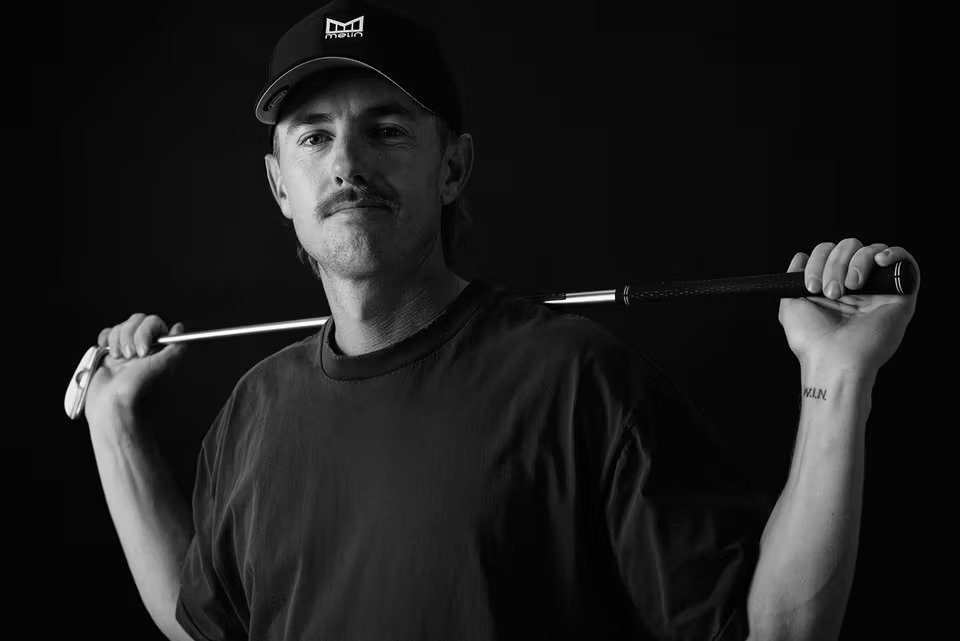
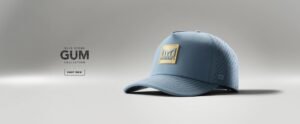
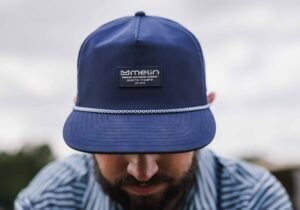
A Melin baseball cap gets attention because it feels different from a basic cap.
It looks clean.
It holds its shape.
It feels comfortable.
It works for golf, travel, boating, beach days, fishing trips, outdoor workouts, and daily wear.
That is why many customers search for Melin hats, Melin Hydro hats, waterproof baseball caps, water-resistant hats, and premium performance caps.
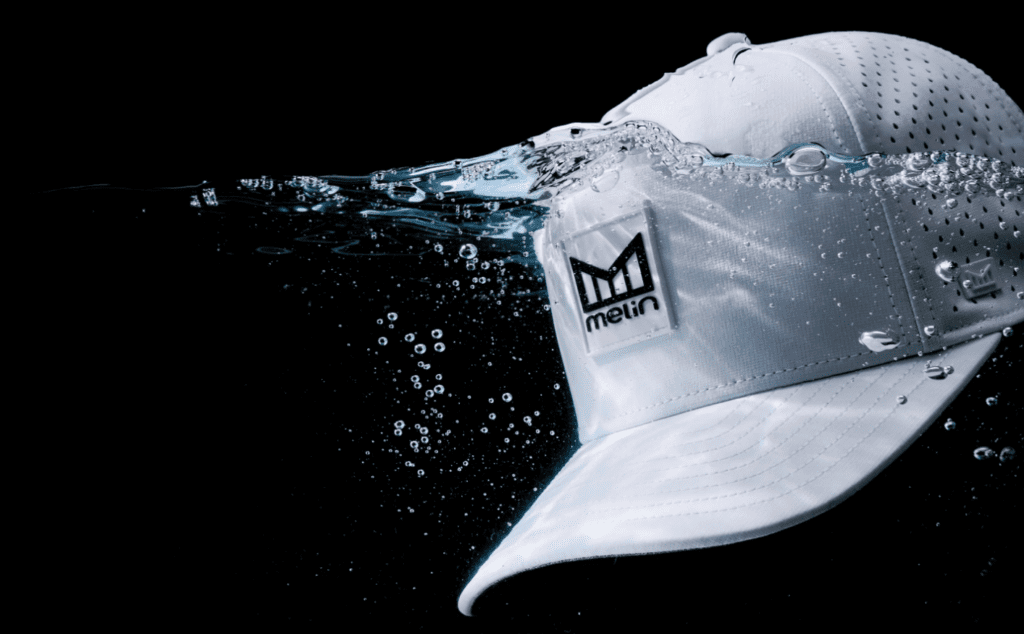
On the official Melin A-Game HYDRO product page, Melin highlights features such as hydrophobic crown panels, water-repellent performance, breathability, floatability, moisture-wicking lining, and lightweight construction.
Customers are willing to pay more when a baseball cap looks premium, feels comfortable, and solves real-life problems.
For golf brands, outdoor brands, fishing brands, resort brands, lifestyle brands, and private label buyers, the Melin baseball cap is a useful product to study. It shows what today’s customers expect from a high-end performance hat.
Em JoinTop, we work with custom headwear projects for performance caps, baseball caps, golf hats, outdoor caps, and lifestyle caps. Many brands come to us with a clear style idea, but they are not always sure how to turn that idea into a production-ready product.
That is where material choice, fit, logo method, sampling, and quality control start to matter.
Quick Takeaways for Brands
| What Customers Like | What Brands Should Learn |
|---|---|
| Clean premium look | Simple design can feel more expensive than loud design |
| Water-friendly function | Use honest water-repellent or quick-dry claims |
| Comfortable fit | Crown height, sweatband, and visor curve matter |
| Lightweight structure | A premium cap should feel easy to wear |
| Breathable design | Outdoor hats should not trap heat |
| Moisture control | Sweatbands and lining affect comfort |
| Subtle branding | Logo method should match the cap material |
| Stable quality | Bulk production must match the approved sample |
A premium baseball cap is not built by adding random features.
It is built by making every detail work together.
What Customers Really Want from a Premium Baseball Cap
When people search for melin baseball cap, they are usually not looking for the cheapest hat.
They are looking for a better hat.
They may compare waterproof golf hats, moisture-wicking hats, breathable baseball caps, lightweight performance caps, or custom golf hats before deciding what kind of product they want.
These searches show one thing clearly:
Customers are no longer buying caps only for decoration.
They want hats that look good and work better in real life.
They want a cap that can handle:
- Sun
- Sweat
- Light rain
- Beach water
- Travel
- Golf rounds
- Fishing trips
- Daily wear
Most customers do not know the technical name of the fabric. They may not know the difference between a TPU patch and a silicone patch. They may not care about stitch density.
But they know how the cap feels.
They can feel if the fabric is cheap.
They can tell if the crown collapses.
They notice if the sweatband is rough.
They see if the logo looks heavy or poorly placed.
They know if the cap feels too hot after 30 minutes outside.
That is why premium headwear needs a full development system, not just a good-looking design sketch.
1. Choose the Right Performance Fabric
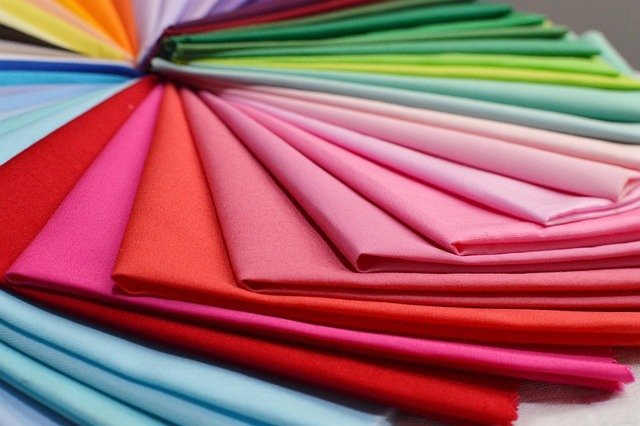
Material is the first thing a customer touches.
For a basic promotional cap, simple cotton may be enough. But for a premium performance cap, the material needs to do more.
A strong performance baseball cap may need to be:
- Leve
- Respirável
- Quick-drying
- Water-repellent
- Moisture-wicking
- Soft on the skin
- Strong enough to hold shape
- Comfortable in hot weather
This is why many performance hats use polyester, nylon, spandex blends, recycled polyester, or other technical fabrics.
Cotton still has value, especially for lifestyle caps. It feels natural and familiar. But cotton absorbs sweat and water more easily. It also dries more slowly.
For golf hats, fishing hats, boating hats, running hats, beach hats, and outdoor performance hats, technical fabrics often work better.
A Golf Monthly guide to golf caps also shows how much golfers care about comfort, breathability, moisture-wicking materials, sun protection, fit, and on-course style. That is useful for brands developing custom golf hats or outdoor performance caps.
Fabric Guide for Custom Performance Caps
| Target Use | Better Fabric Direction | Buyer Tip |
|---|---|---|
| Golf cap | Lightweight polyester or nylon blend | Focus on breathability and sweat comfort |
| Water-repellent cap | Treated technical fabric | Test drying speed and water beading |
| Beach cap | Quick-dry, water-friendly fabric | Check logo durability after moisture |
| Fishing cap | Durable, breathable, sun-friendly fabric | Consider long outdoor wear |
| Running cap | Ultra-light moisture-wicking fabric | Avoid heavy structure and thick patches |
| Lifestyle cap | Soft structured fabric | Focus on hand feel and clean shape |
| Outdoor cap | Durable technical fabric | Balance comfort, shape, and weather resistance |
| Travel cap | Lightweight and packable fabric | Check shape recovery after packing |
A golf cap does not need the same fabric as a surf cap.
A fishing cap does not need the same structure as a fashion dad hat.
A hot-weather outdoor cap needs different thinking from a winter lifestyle cap.
Before sampling, brands should first ask:
Where will the customer wear this hat most often?
That answer can guide fabric, structure, sweatband, logo method, and even packaging.
For brands building technical headwear, JoinTop’s performance caps page is the most relevant product page to review.
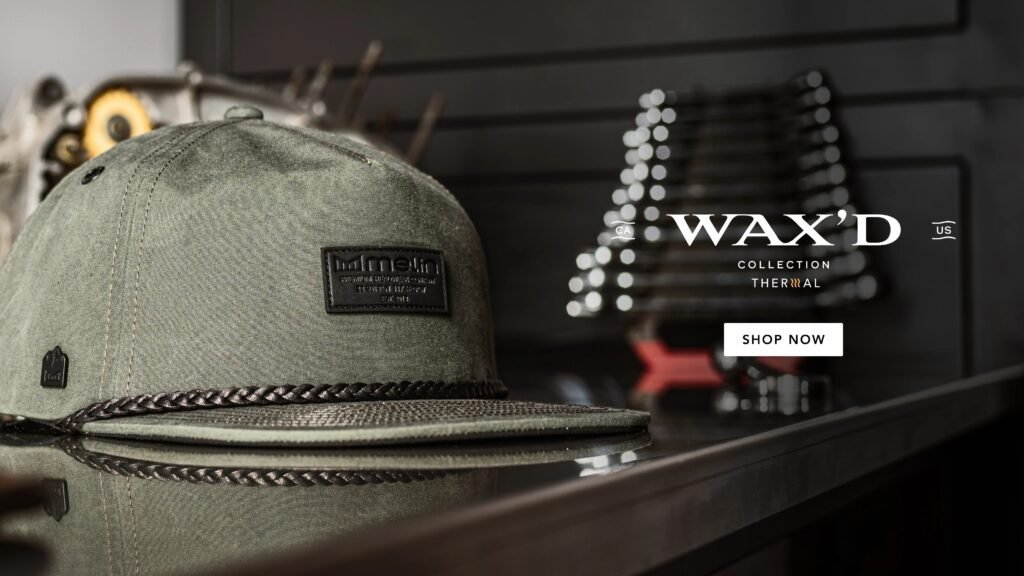
2. Design for Water Resistance, Not Empty “Waterproof” Claims
The keyword waterproof baseball cap gets attention because it sounds strong.
So does waterproof golf hat.
But brands need to be careful with the word “waterproof.”
For hats, there is a big difference between waterproof, water-resistant, water-repellent, quick-dry, and moisture-wicking.
| Claim | What It Usually Means |
|---|---|
| À prova de água | Blocks water under specific tested conditions |
| Water-resistant | Can resist some water but may not fully block it |
| Water-repellent | Water beads up and rolls off the surface |
| Quick-dry | Dries faster after getting wet |
| Moisture-wicking | Moves sweat away from the skin |
| Sweat proof | Often used by consumers, but brands should define it carefully |
A baseball cap has seams, stitching holes, panels, sweatbands, logo areas, and closures.
Even if the fabric repels water, the finished cap may not be fully waterproof unless the complete product is tested that way.
That is why smart brands use honest language.
3. Get the Fit Right for the U.S. Market
A cap can have great fabric and still fail if it fits badly.
Fit is the part people feel all day.
Too tight? They stop wearing it.
Too deep? It covers the ears.
Too shallow? It feels like it may fly away.
Too stiff? It feels uncomfortable.
Too soft? It loses shape.
A premium baseball cap needs the right balance between structure and comfort.
Fit Checklist for Custom Baseball Cap Buyers
| Fit Detail | What to Review |
|---|---|
| Crown height | Low, mid, or high profile |
| Panel shape | 5-panel, 6-panel, or custom structure |
| Front support | Structured or unstructured |
| Visor curve | Natural curve or flat brim |
| Sweatband | Softness, stretch, and sweat control |
| Encerramento | Snapback, buckle, Velcro, or stretch fit |
| Size range | Fit for different head shapes |
| Shape recovery | Whether the cap holds shape after wearing |
For U.S. customers, fit and profile are especially important.
A cap that looks good in a product photo may not feel right on the head.
One sample is rarely enough for a serious premium cap. Brands should test different crown heights, visor curves, sweatbands, and closures.
Most importantly, wear the sample outside.
Not just in a meeting room.
A hat may look perfect on a table but strange on a real head.
And customers, sadly for lazy product development, have real heads.
If your team is still comparing cap shapes, JoinTop’s guide to types of caps can help you compare baseball caps, dad hats, snapbacks, trucker hats, rope hats, performance hats, and bucket hats.
4. Match Breathability, Sweat Control, and Daily Wear
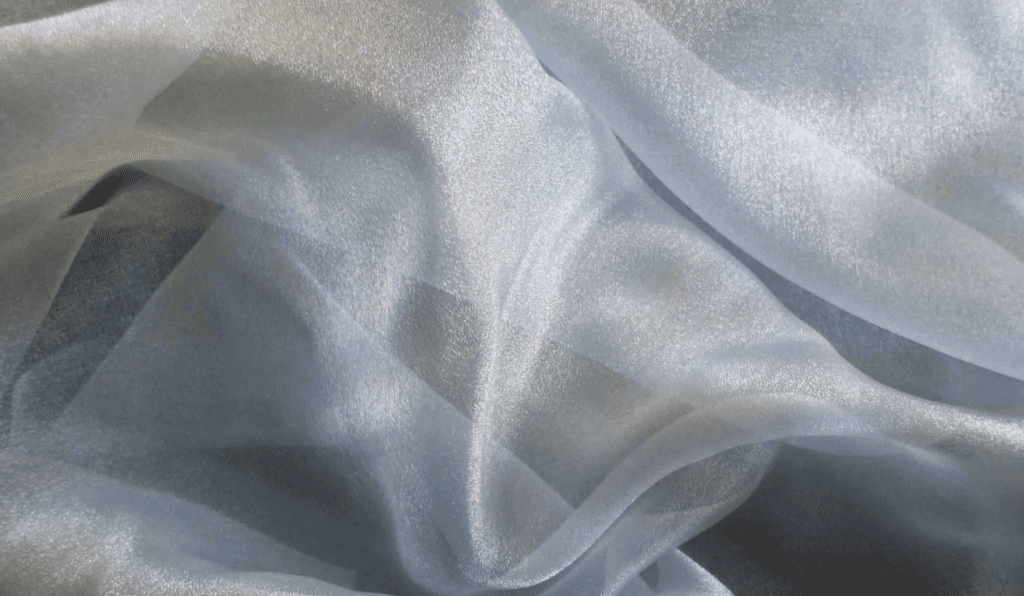
A performance cap should not feel like a small oven.
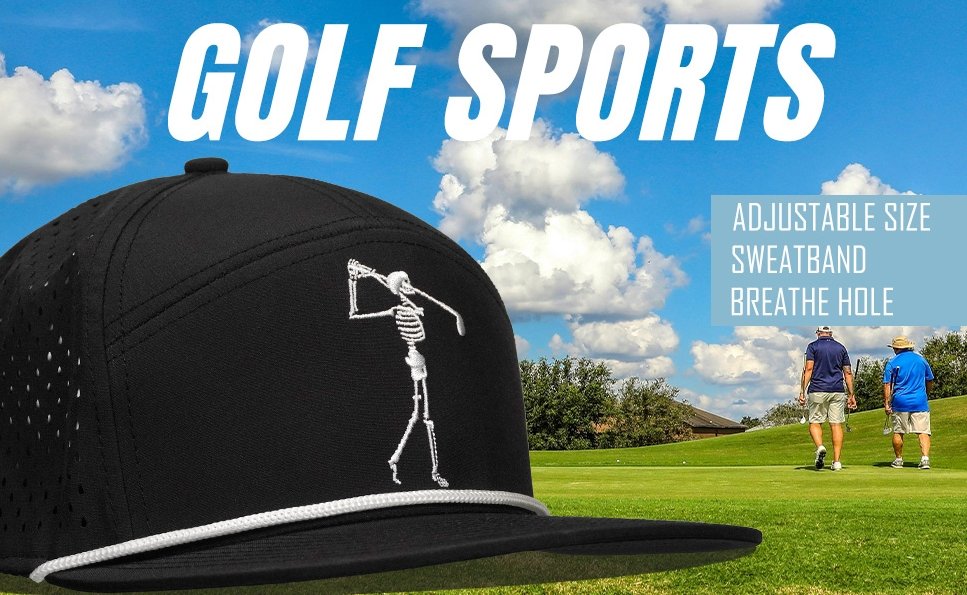
This matters for golf, running, hiking, fishing, beachwear, and summer lifestyle products.
If the cap looks good but traps heat, customers may wear it once and then leave it in the closet forever.
Breathability can come from:
- Laser perforation
- Mesh panels
- Lightweight fabric
- Moisture-wicking sweatband
- Smart vent design
- Open-weave fabric
- Breathable lining
This is why keywords like breathable baseball cap, moisture-wicking hat, sweat proof golf hat, and lightweight performance cap are important.
They match real customer problems.
But the design still needs to look clean.
Some brands go too far with performance details. The hat becomes too “techy” and loses daily wear value.
Other brands focus only on looks and forget comfort.
The sweet spot is simple:
Make the hat breathe, but do not make it look like gym equipment from the future.
For premium brands, this balance is important.
The cap should work outdoors but still look good with a polo, hoodie, T-shirt, or casual jacket.
5. Choose the Right Logo Method
A logo is not just decoration.
It affects the look, weight, feel, and even the function of the cap.
Heavy embroidery may not work well on thin performance fabric.
A thick patch may look premium, but it can feel too heavy on a lightweight cap.
A rubber logo may look modern, but it may not fit a classic lifestyle brand.
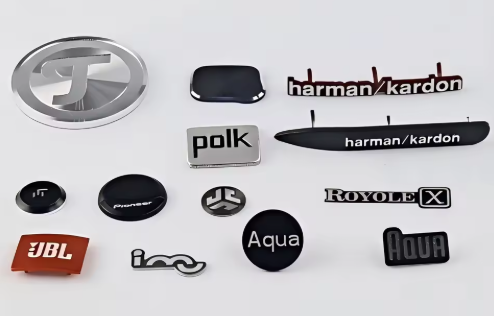
Common Logo Options for Custom Hats
| Logo Type | Best For |
|---|---|
| Flat embroidery | Classic baseball caps |
| 3D embroidery | Sports caps and bold team caps |
| Woven label | Lifestyle and casual caps |
| Rubber patch | Outdoor performance hats |
| Silicone patch | Clean modern premium caps |
| TPU patch | Water-friendly performance caps |
| Heat transfer | Lightweight technical caps |
| Leather patch | Heritage or lifestyle caps |
The best logo choice depends on the hat.
For a water-repellent baseball cap, a rubber patch or heat transfer logo may make sense.
For a classic premium baseball cap, embroidery may still be better.
For a quiet lifestyle cap, a small woven label may work better than a large front logo.
If your brand is comparing embroidery options, this guide on custom embroidered hats can help explain when embroidery makes sense and when another logo method may work better.
Common Mistake
Many brands choose the logo method too early.
The better way is to confirm the fabric and crown structure first, then choose the logo technique.
The logo should match the cap, not fight with it.
6. Build a Clear Product Story
Melin does a good job of making the product easy to understand.
The customer quickly understands the idea:
This is not just a normal hat.
This is a better hat for active daily life.
That is what many brands miss.
They add features, but they do not turn those features into a clear product story.
A strong product story should answer:
- Who is this cap for?
- Where can they wear it?
- What problem does it solve?
- Why is it better than a basic cap?
- Why should the customer pay more?
Feature vs. Benefit
| Weak Product Copy | Better Product Copy |
|---|---|
| This cap uses premium polyester fabric. | Built with lightweight quick-dry fabric for hot golf rounds, beach days, and weekend travel. |
| This cap has a sweatband. | A soft moisture-wicking sweatband helps keep the cap comfortable during warm-weather wear. |
| This cap is water-repellent. | Water-repellent fabric helps handle light rain, splash, and outdoor use. |
| This cap has a rubber logo. | A clean rubber logo gives the cap a modern performance look without heavy stitching. |
| This is a custom baseball cap. | A custom performance baseball cap built for your brand’s fit, function, and market. |
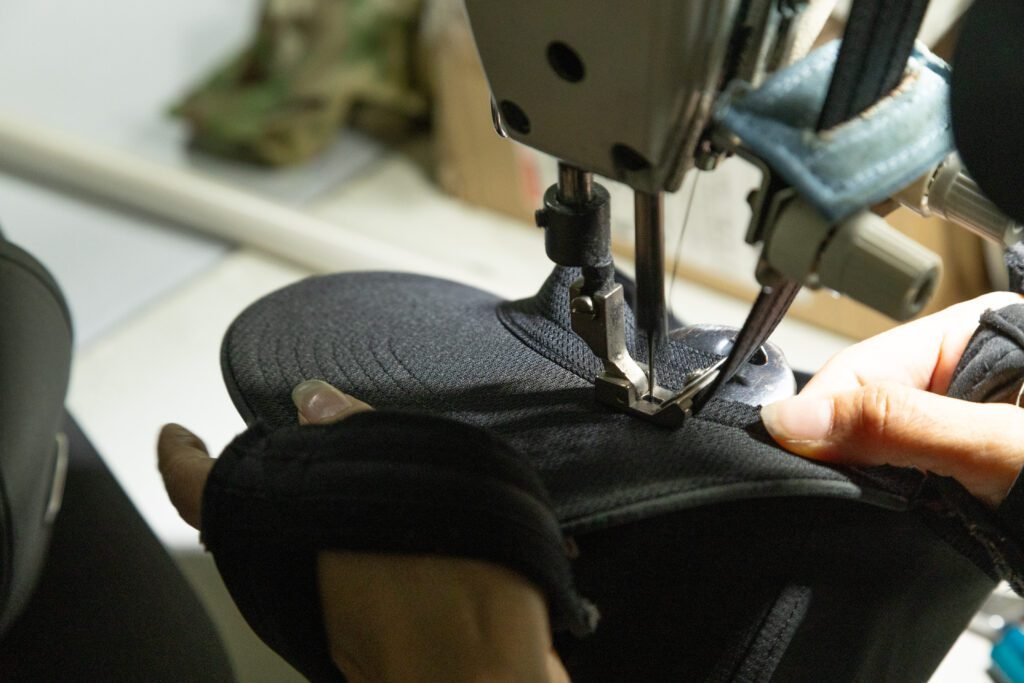
From Idea to Sample: Custom Cap Development Process
If your brand wants to develop a premium baseball cap, custom golf hat, outdoor cap, or private label performance hat, you do not need a perfect tech pack at the beginning.
A clear idea is enough to start the conversation.
For a deeper process overview, you can also read JoinTop’s full guide on the custom hat development process.
Here is a simple development path.
Step 1: Share the Product Direction
Start with your target market and product idea.
For example:
- Custom golf hats for a country club brand
- Water-repellent baseball caps for a fishing brand
- Quick-dry caps for a beach resort brand
- Lightweight performance caps for a running brand
- Clean everyday baseball caps for a lifestyle brand
- Private label hats for a DTC headwear collection
Step 2: Confirm the Cap Structure
Choose the basic shape:
- 5-panel or 6-panel
- Low profile or mid profile
- Structured or unstructured
- Curved visor or flat visor
- Snapback, strapback, buckle, or stretch fit
- Rope cap, dad hat, trucker cap, or performance snapback
Step 3: Choose Fabric and Function
Decide what the cap needs to do.
Should it be breathable?
Quick-dry?
Water-repellent?
Lightweight?
Sweat-friendly?
More structured?
More flexible?
The fabric should support the real use case.
Step 4: Match the Logo Method
After the material and structure are clear, choose the logo method.
This may include embroidery, rubber patch, TPU patch, silicone patch, woven label, leather patch, or heat transfer.
Step 5: Develop the First Sample
The first sample helps check:
- Shape
- Fit
- Fabric feel
- Logo position
- Crown support
- Visor curve
- Sweatband comfort
- Overall product look
Step 6: Adjust Before Bulk Production
Premium cap development often needs small changes.
A crown may need to be lower.
A sweatband may need to be softer.
A logo may need to be smaller.
A fabric may need better stretch or breathability.
Good adjustment before production saves cost later.
Step 7: Confirm Bulk Production Details
Before bulk production, brands should confirm:
- Approved sample
- Material
- Cor
- Logo size and position
- Size tolerance
- Packing method
- Quality standards
- Delivery timeline
This is where an experienced baseball cap manufacturer or premium hat manufacturer can reduce risk.
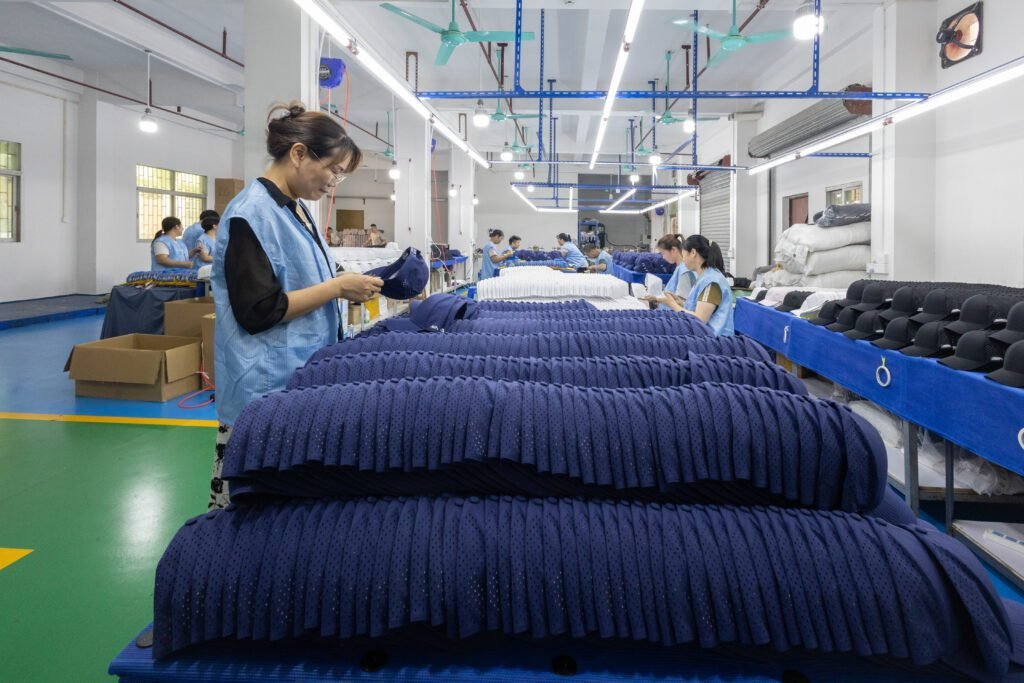
What to Prepare Before Requesting a Quote
If your brand is planning a premium performance baseball cap, you do not need to have every detail ready.
But the more information you can share, the faster your supplier can give useful advice.
| Information | Example |
|---|---|
| Target market | Golf, fishing, outdoor, beach, lifestyle |
| Cap style | 5-panel, 6-panel, dad hat, snapback, trucker cap, performance cap |
| Main function | Water-repellent, breathable, quick-dry, sweat control |
| Logo method | Embroidery, rubber patch, TPU patch, heat transfer |
| Quantity | 300 pcs, 500 pcs, 1,000 pcs, or bulk custom hats |
| Target price | Budget range if available |
| Reference style | Clean golf cap, outdoor cap, premium baseball cap |
| Timeline | Sample deadline and bulk delivery date |
Even a simple reference photo is helpful.
A good custom cap manufacturer should not only quote a price. It should help you check whether the idea is practical, cost-friendly, and suitable for production.
Before You Market the Cap: Check Your Claims
Premium product development is not only about design.
It is also about saying the right thing on the product page, hangtag, label, and marketing material.
For U.S. textile products, the FTC textile labeling guidance explains that most textile and wool products need labels showing fiber content, country of origin, and the identity of the manufacturer or another responsible business.
If your brand wants to make recycled, eco-friendly, sustainable, or similar environmental claims, the FTC Green Guides are a useful reference for avoiding misleading environmental marketing claims.
If your cap uses UPF or sun-protection fabric claims, the AATCC TM183 test method is commonly referenced for measuring ultraviolet radiation blocked or transmitted by textile fabrics intended for UV protection.
For general apparel fabric safety, 16 CFR Part 1610 covers the flammability standard for clothing textiles. Hats that do not cover the neck, face, or shoulders are listed as a specific exception in the rule, but brands should still confirm requirements based on final product design and market use.
This may sound less exciting than choosing a logo patch.
But compliance protects the brand.
A beautiful cap with weak or unclear claims can create problems later. A clear, tested, honest product builds trust for the long term.
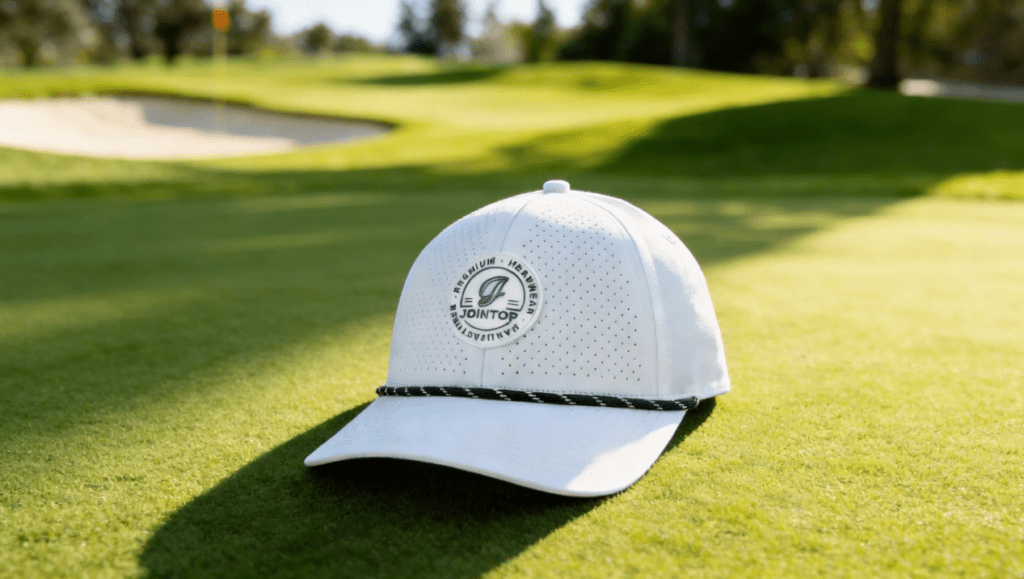
How JoinTop Helps Brands Develop Premium Performance Caps
For brands that want to create original premium caps, the factory should not only “make the hat.”
The factory should help solve product problems before they become production problems.
JoinTop supports custom headwear projects for performance caps, golf hats, baseball caps, outdoor caps, lifestyle caps, and private label hats.
Our team can help with:
- Fabric selection
- Cap shape and structure development
- Sweatband and comfort details
- Logo technique suggestions
- Sample development
- Bulk production
- Quality control
- Packaging support
- OEM and ODM cap development
- Production options in China, Vietnam, and Bangladesh
This is useful for U.S. brands that want more than a low price.
They need stable quality, product development support, flexible supply chain options, and smoother communication.
For example, if your brand wants to create a water-friendly golf cap, JoinTop can help review:
- Which fabric is suitable
- Whether the cap should be structured or unstructured
- Which logo method works best on the fabric
- How to reduce sweat marks
- How to keep the cap lightweight
- How to make bulk production match the approved sample
- How to build a cap that fits your brand instead of copying another brand
That is the difference between a simple supplier and a real development partner.
Final Checklist Before Developing a Premium Baseball Cap
Before moving into sampling, brands should ask these questions:
- Who will wear this cap?
- Where will they wear it?
- What function does the cap need?
- What price range should it fit?
- What fabric supports that use case?
- What crown shape fits the target market?
- What logo method matches the material?
- How will the cap be tested before production?
- How will bulk quality be controlled?
- What information should be prepared for quotation?
If you can answer these questions, your custom cap project will be much easier to develop.

FAQ
What makes a Melin baseball cap different from a regular cap?
A Melin baseball cap usually focuses on premium materials, clean structure, water-friendly function, sweat control, comfortable fit, and outdoor lifestyle design. For brands, the key lesson is how these details work together to create a higher-value product.
Are Melin hats waterproof?
Many Melin Hydro hats are designed with water-friendly or water-repellent features. For custom cap development, brands should be careful with the word “waterproof” and confirm the claim through proper material or finished-product testing.
What is the best fabric for a waterproof baseball cap?
Nylon, polyester, spandex blends, and treated performance fabrics are common choices for water-repellent baseball caps. The best fabric depends on the target use, such as golf, boating, fishing, beachwear, or outdoor lifestyle wear.
What is the difference between waterproof, water-resistant, and water-repellent hats?
A waterproof hat blocks water under specific tested conditions. A water-resistant hat can resist some water but may not fully block it. A water-repellent hat helps water bead up and roll off the surface. For baseball caps, brands should use accurate wording because seams, stitching, and closures affect performance.
Can brands make Melin-style hats without copying Melin?
Yes. Brands should not copy Melin’s exact designs. A better approach is to study premium market expectations and then create an original cap with your own fabric, shape, color, logo, fit, and product story.
What logo method works best for performance caps?
It depends on the fabric and cap structure. Rubber patches, TPU patches, silicone patches, heat transfer, and lightweight embroidery are common options for performance caps. The logo method should be chosen after the fabric and structure are confirmed.
What should I prepare before asking for a custom cap quote?
Prepare your target market, cap style, function needs, logo idea, estimated quantity, reference photos, and timeline. You do not need a full tech pack to start, but clear direction helps the factory give better advice.
Can JoinTop help develop custom performance baseball caps?
Yes. JoinTop supports fabric selection, cap structure development, logo technique, sample development, bulk production, quality control, packaging, and production planning for custom performance caps.
Develop a Premium Baseball Cap for Your Brand
Planning a custom performance baseball cap, golf cap, water-repellent outdoor cap, or private label hat collection?
Send us your reference photo, target market, logo idea, estimated quantity, and timeline. The JoinTop team can help review fabric options, cap structure, logo methods, sample details, and production plans before you move forward.
Whether you are developing custom golf hats, water-repellent baseball caps, breathable performance hats, or bulk custom hats with logo, the right development process can help your brand create a cap that looks premium, feels comfortable, and performs in real life.


 English
  German
  Spanish
  French
  Amharic
  Portuguese
  Italian
  Swedish
  Turkish
  Belarusian
  Danish