Quick answer: SPF is for sunscreen. UPF is for fabric. If you are sourcing or designing sun-protective headwear, the number you want on the label is UPF 50+, which blocks about 98% of UV rays. A hat can look like a sun hat and still let most UV through the crown, so the rating matters more than the marketing name.
Hat brands get this wrong more often than you would think. A bucket hat labeled “sun protection” without a UPF rating is basically a bucket hat that happens to be worn outside. For brands selling outdoor, golf, lifestyle, or travel headwear, that distinction can turn a one-time buyer into a repeat customer — or turn a collection into a return headache.
This guide breaks down hat SPF protection in plain terms, what UPF ratings actually mean, which styles and fabrics work best, and what to look for when you build your next sun-hat line.
SPF vs UPF: The Difference That Confuses Everyone
SPF stands for Sun Protection Factor. It measures how long sunscreen protects skin from UVB rays before burning. It is a skincare term, not a fabric term.
UPF stands for Ultraviolet Protection Factor. It measures how much UV radiation — both UVA and UVB — passes through fabric. A UPF 50 fabric blocks roughly 98% of UV, letting only 1/50th through. UPF 15 blocks about 93%, and UPF 30 blocks about 97%.
Here is why this matters for hats. A plain cotton baseball cap might have a natural UPF between 5 and 10 depending on how tight the weave is. That means 10% to 20% of UV still hits the scalp. A purpose-built UPF 50+ performance cap cuts that down to 2%. The fabric itself is doing the work, not just the shade.
Why UPF Ratings Matter for Your Brand
Consumers are getting smarter about sun protection. Dermatologists, outdoor magazines, and running communities now routinely mention UPF 50+ as the baseline for serious sun gear. The Skin Cancer Foundation even offers a Seal of Recommendation for UPF 50+ apparel and hats that meet strict testing standards.
For a brand, a verified UPF rating is a trust signal. It shows the product was tested, not just styled to look outdoorsy. It also gives your sales and marketing team a clear, honest claim: “blocks 98% of UV rays.” That is easier to explain than “great for sunny days,” and it holds up better under customer scrutiny.
What Actually Makes a Hat Sun-Protective
A good sun hat is not just a wide brim. Three things decide how much protection it really delivers.
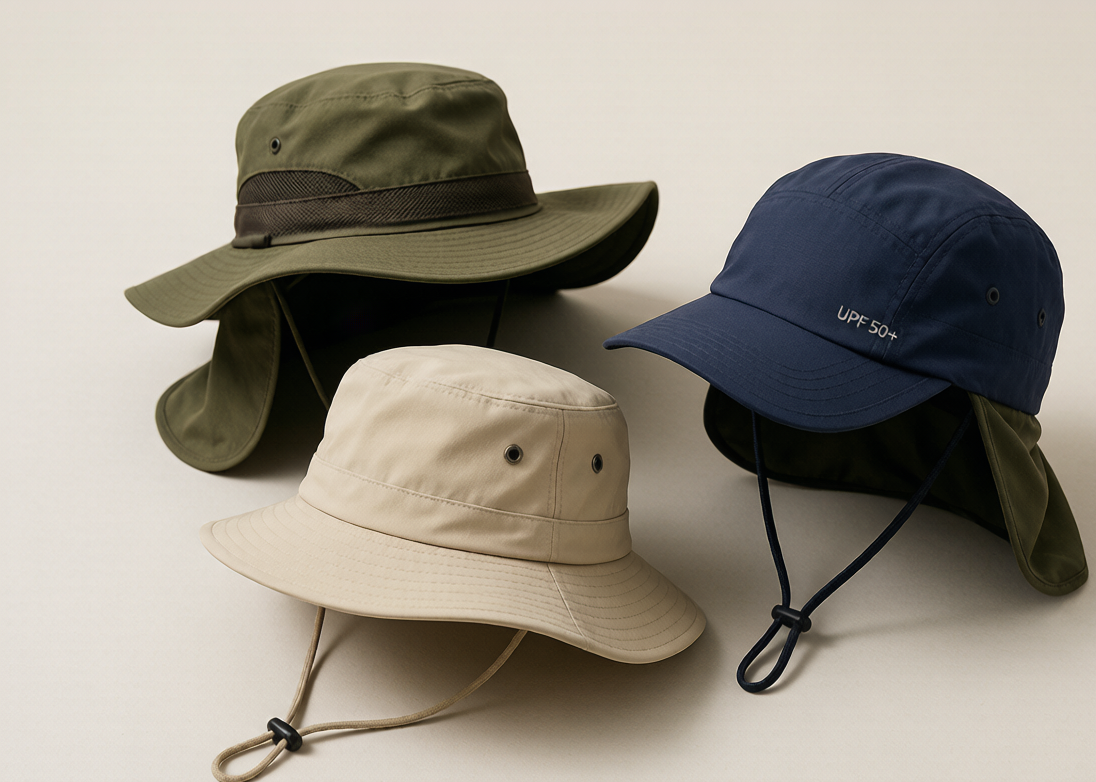
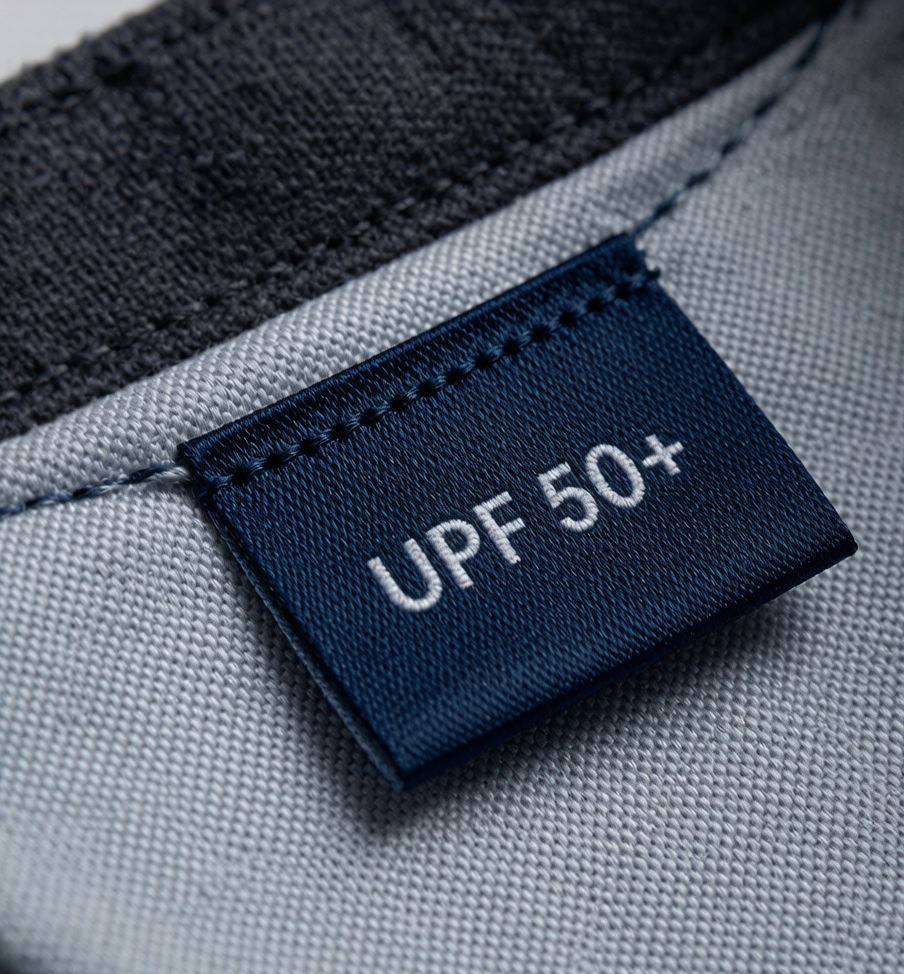
1. UPF-rated fabric The fabric must be tested and labeled. Look for UPF 50+ on hangtags or care labels. Common fabrics include tightly woven nylon, polyester ripstop, cotton-poly blends, and specially treated canvas. Mesh panels help with airflow but should only be placed in areas that do not need full UV blocking, like the side crown.
2. Brim width and shape The brim does the shading. A brim of at least 3 inches reduces UV exposure to the nose, cheeks, and neck significantly. A 360-degree brim or a neck flap adds protection to the ears and back of the neck, which are common burn zones. Baseball caps and visors shade the face but leave the ears and neck exposed.
3. Fit and stability A sun hat only works if it stays on. Adjustable chin cords, drawstring brims, and moisture-wicking sweatbands keep the hat in place during hiking, golf, paddling, or windy beach days. If the customer keeps taking the hat off to cool down, the UPF rating becomes irrelevant.
Best Hat Styles for Sun Protection
Different activities need different coverage. Here is how the main styles compare.
| Hat Style | Best For | UV Coverage | Notes |
|---|---|---|---|
| Wide-brim bucket hat | Everyday, travel, beach | Face, ears, neck | Packable versions are popular for travel |
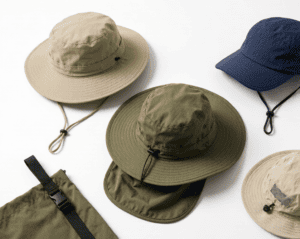
| Safari / boonie hat | Hiking, fishing, outdoor work | Full 360° coverage | Often includes neck flap and chin cord |
| Performance cap | Running, golf, tennis | Scalp, forehead | UPF 50+ fabric compensates for shorter brim |
| Legionnaire / neck-flap hat | Cycling, paddling, desert use | Face, ears, neck, upper back | Highest coverage, more technical look |
| Wide-brim floppy hat | Beach, resort, lifestyle | Face, neck, shoulders | Style-forward but needs verified UPF fabric |
For golf and active sports brands, custom golf performance hats with UPF 50+ fabric and moisture-wicking sweatbands are a strong sell. Outdoor brands often do better with bucket hats and boonie styles that offer full coverage without looking clinical.
Fabrics and Technologies to Know
Not all UPF fabrics are the same. Here are the most common choices for sun-protective hats.
Polyester and nylon blends are lightweight, dry quickly, and hold UPF treatments well. They are the go-to for performance and outdoor hats.
Cotton twill and canvas feel familiar and look casual, but they need a tighter weave or a UPF treatment to reach 50+. Wet cotton can drop in UPF rating, so these work better for dry, casual use.
Ripstop nylon resists tearing and packs small. It is common in travel and adventure hats.
Recycled ocean plastic and rPET are growing in demand for sustainable outdoor collections. These can be engineered to UPF 50+ and appeal to eco-conscious buyers. If sustainability is part of your brand story, our guide on eco-friendly custom hats covers the material side in more detail.

Certifications and Testing Labels
A real UPF claim should be backed by testing. The most recognized standards include:
- AATCC 183 — the U.S. standard for fabric UV transmission
- ASTM D6603 — labeling guide for sun-protective textiles
- AS/NZS 4399 — the Australian and New Zealand UPF standard, often considered stricter
- EN 13758-1 — the European standard for UV-protective apparel
The Skin Cancer Foundation awards its Seal of Recommendation to fabrics that meet a UPF 30 or higher threshold, with UPF 50+ being the gold standard. If your brand wants that seal, the fabric must be tested by an approved lab.
You can learn more about UPF testing standards from the Skin Cancer Foundation’s sun-protective clothing guide.
Common Mistakes Brands Make with Sun Hats
Calling a hat “SPF” instead of “UPF.” SPF is for skin products. UPF is the correct term for fabric. Using the wrong word makes a brand look uninformed.
Relying on color alone. Darker colors generally block more UV than lighter colors, but color is not a substitute for a UPF rating. A white UPF 50+ hat blocks more UV than a black hat with a loose weave.
Adding mesh everywhere. Mesh improves breathability, but it can also let UV through. Strategic placement matters.
Forgetting the ears and neck. A stylish short-brim hat protects the forehead and not much else. Customers who get burned on the neck will not blame the sun — they will blame the hat.
Building a Sun-Protective Hat Line
If you are developing a new sun-hat collection, start with the use case, not the silhouette. Ask:
- Who is wearing this? Golfers, hikers, beachgoers, outdoor workers, parents, travelers?
- How long are they in the sun? An hour on the golf course is different from eight hours on a boat.
- What is the brand promise? Performance, sustainability, fashion, affordability?
Once the use case is clear, choose the style, fabric, UPF target, and features. Then sample and test. A good factory partner can run fabric UPF tests, adjust brim widths, and help you hit your target price and minimum order quantity.
At JoinTop, we help brands build sun-protective headwear lines across casual, performance, golf, and outdoor categories. With factories in China, Vietnam, and Bangladesh, we can match production to your market, budget, and compliance needs — whether that means UPF 50+ performance caps, packable bucket hats, or wide-brim resort styles. Sampling usually takes about five to seven days, so you can test fit, fabric, and branding before committing to a full order.
FAQ
Is UPF 50+ enough for a sun hat? Yes. UPF 50+ blocks about 98% of UV radiation and is considered excellent protection. It is the highest rating commonly used for apparel and hats.
Can a regular hat protect you from the sun? A regular hat provides shade, but without a UPF rating, UV can still pass through the fabric. A loose weave or light color makes this worse.
Does washing affect UPF rating? For quality UPF fabrics, the rating holds up through many washes. Cheaply treated fabrics may lose protection over time. Always follow care instructions and look for certified testing.
What brim width is best for sun protection? A brim of at least 3 inches is recommended for meaningful face and neck coverage. Wider brims offer more shade but can be less practical in wind.
Are dark or light hats better for UV protection? Darker colors usually absorb more UV, but fabric weave and UPF treatment matter far more than color. Always check the UPF label.
Can I add a UPF treatment to any fabric? Some fabrics can be treated to improve UPF, but the base weave and fiber type limit how much protection is possible. Tightly woven synthetic fabrics respond best.
Final Thought
Hat SPF protection is really about UPF — and UPF is one of the easiest trust signals a brand can add to a sun-hat line. Get the rating right, match the style to the activity, and make sure the fabric and fit back up the claim. Your customers may not know the difference between SPF and UPF today, but once they learn it, they will remember which brand got it right.
If you are planning a UPF 50+ hat collection, start with the right partner. The difference between a hat that “looks protective” and one that actually is protective usually shows up in the fabric test, the brim shape, and the factory that sewed it.

 English
  German
  Spanish
  French
  Amharic
  Portuguese
  Italian
  Swedish
  Turkish
  Belarusian
  Danish