
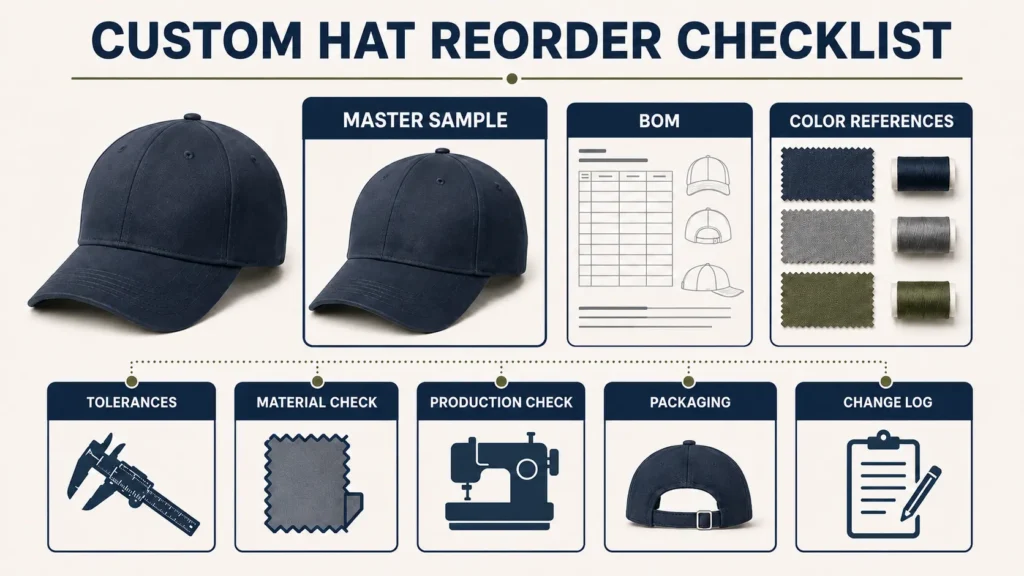
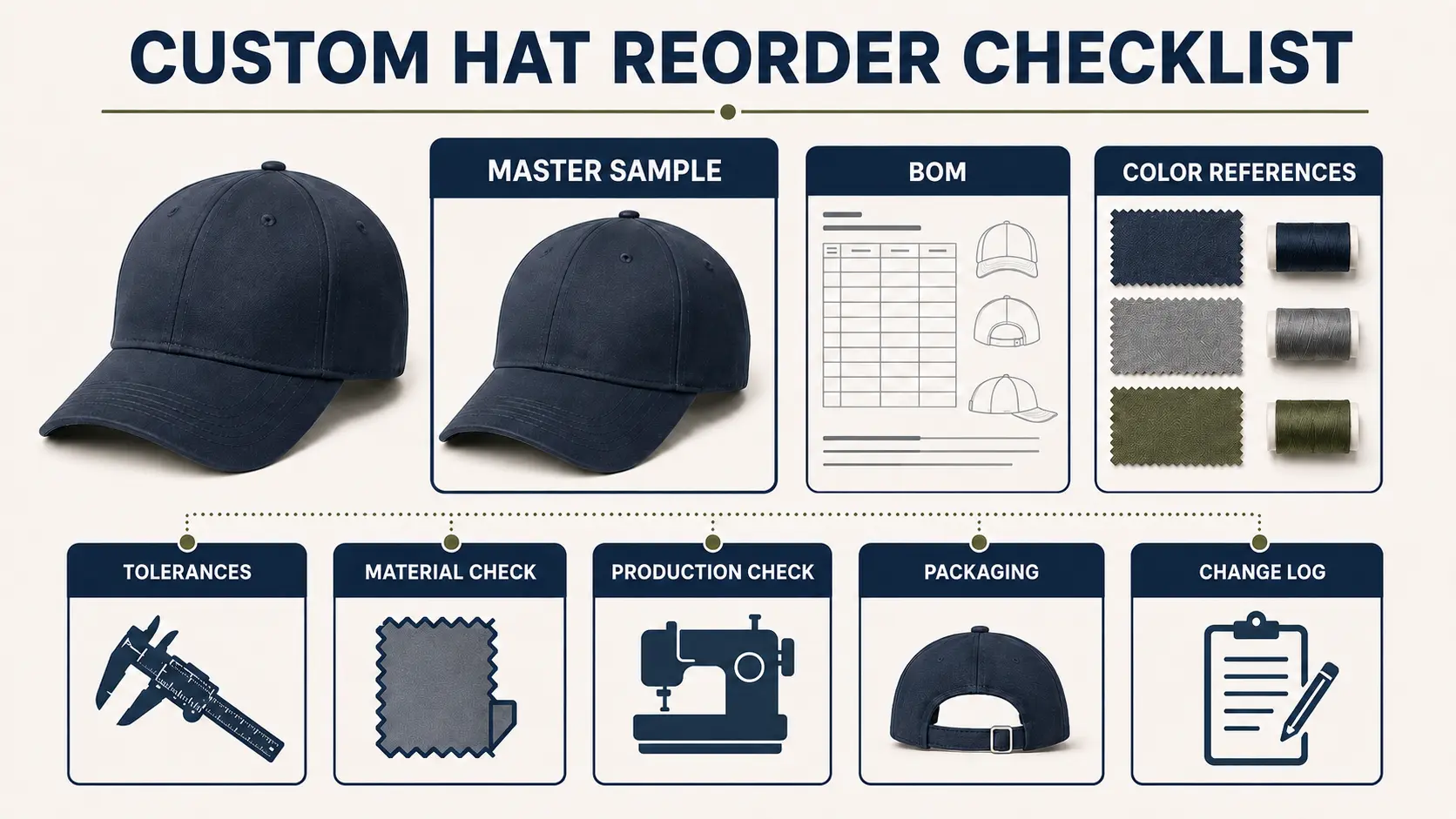
A reorder sounds simple because the cap was made before. Yet repeat orders often drift. The navy may look warmer. The crown may sit higher. The thread can change, the patch can move, or the carton can protect the brim in a new way. The old invoice proves what was purchased. It may not fully define what was approved.
A custom hat reorder checklist protects the product your customers know. It confirms the master sample and controlled files. It also shows material or process changes. Production gets a clear target before the next lot starts.
When custom made hats become a repeat item, this record keeps the new order tied to the cap your team already approved.
Do not use the old purchase order as the only reference
A purchase order usually shows style, quantity, color, price, and delivery. It may leave out key details. These can include panel sizes, fabric lot, support, sweatband build, logo position, file version, trim codes, and packing. Collect those items into one reorder pack.
Use the same style code and add a revision level. If the product has changed, issue a new revision rather than silently keeping the old name. This helps sourcing, design, quality, and the factory discuss the same version.
Start with the approved physical master
Name the approved cap by sample number, approval date, and colorway. Take photos from the front, sides, back, top, and inside. Add close views of the logo and labels. Store the cap in a clean, dry place away from strong light. A faded or crushed sample is not a sound color or shape standard.
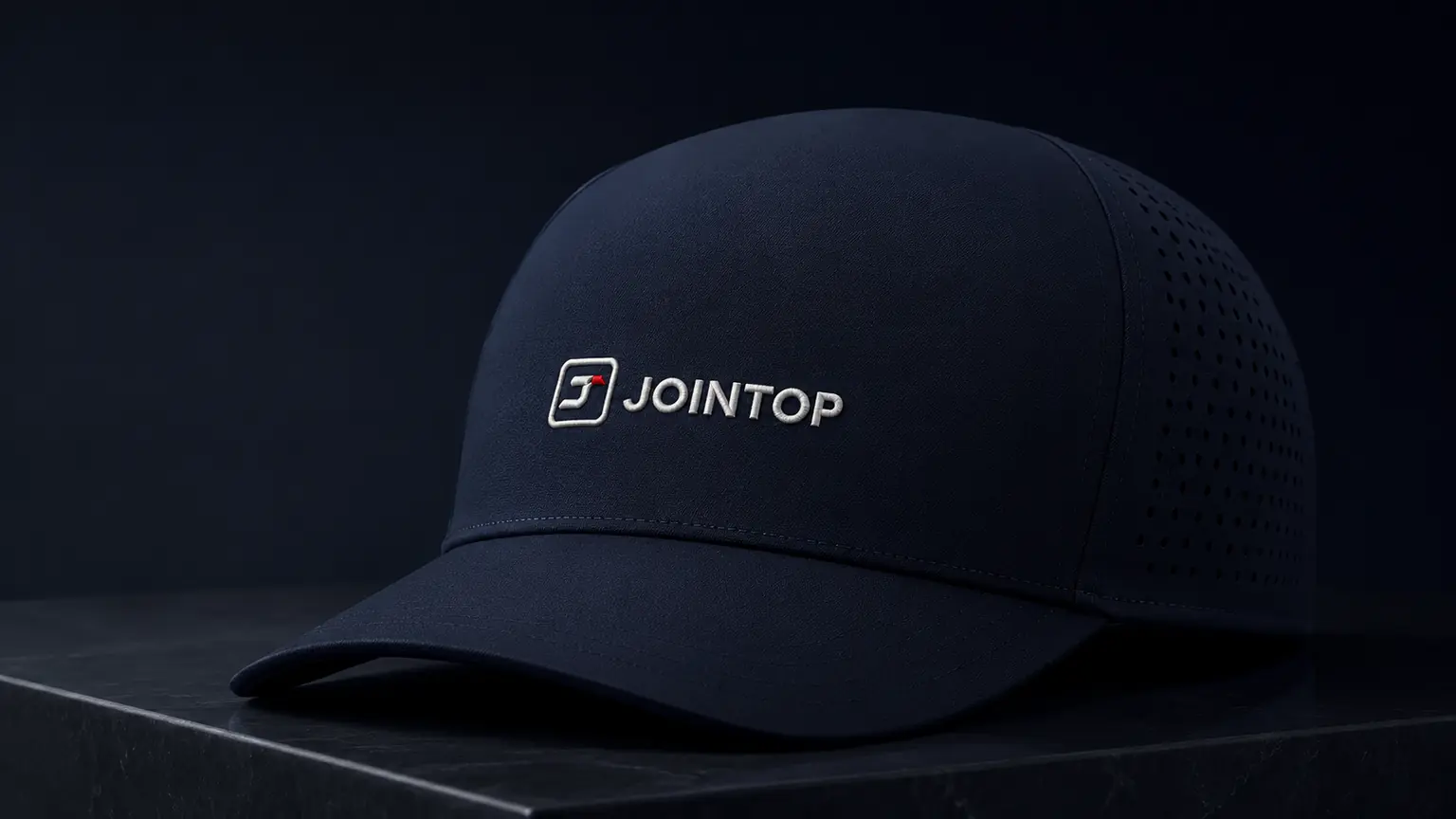
If buyer and factory each keep a signed master, confirm that both samples share the same number. When a replacement master is approved, retire the old one clearly so it cannot return to the production line.
Freeze the bill of materials and suppliers that matter
List every main part. Include the fabric, brim insert, front support, sweatband, seam tape, thread, logo part, closure, button, eyelets, labels, hangtags, pack, and carton. Add material codes, colors, weights or specs, and approved suppliers when needed.
| Reorder control | Confirm before production | Evidence |
|---|---|---|
| Master sample | Correct style, revision, and colorway | Signed sample number and photos |
| Materials | Same approved codes or disclosed replacements | Bill of materials and swatches |
| Color | Current fabric, thread, patch, and trim standards | Physical references and lot records |
| Measurements | Key points and tolerances remain valid | Updated measurement table |
| Logo | Correct artwork, digitizing, mold, size, and placement | Versioned files and strike-off |
| Labels/packing | Copy, barcode, placement, folding, and carton plan | Approved artwork and pack sample |
| Quality | Inspection and test plan matches current risk | Approved checklist and reports |
Keep the component details in a versioned custom hat tech pack. A supplier message saying “same as last time” should never replace a controlled bill of materials.
Ask for a written change declaration
Some changes cannot be avoided. A fabric mill may stop making a color. A trim supplier may change a mold. A finish may be replaced. Ask the factory to list every change before production. This includes material, supplier, process, pattern, equipment, test method, or packing.
“No change” does not remove the need to check. It creates a clear record. If a new part is proposed, ask for the right swatch, part sample, or pre-production cap. Review the effect on look, fit, use, rules, cost, and timing.
Refresh physical color references
Old fabric and caps can fade or yellow. Compare them with the original physical standard where possible. Check all materials together under agreed lighting because thread, plastic, silicone, woven labels, and fabric reflect light differently.
If the reorder uses a new dye lot, keep a swatch and lot number. For a tonal cap, do not assume that “same color code” means different materials will look identical. Use JoinTop’s custom cap color approval workflow to control standards and viewing conditions.
Verify the logo file and tooling version
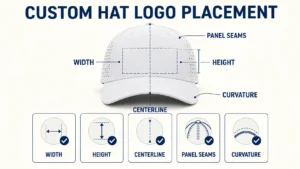
Find the exact file or tool that made the approved logo. This may be vector art, an embroidery file, patch art, a print file, or a silicone mold number. Check the finished size, colors, method, and position. Treat a new embroidery file or mold as a change.
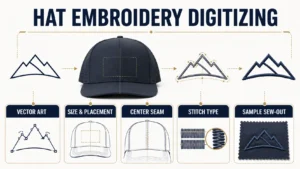
For embroidery, request a sew-out when thread, fabric, digitizing, machine setup, or logo size changes. A large 3D puff design may respond differently to a new fabric or support. Keep the approved result with the hat embroidery digitizing checklist.
Decide whether a pre-production sample is needed
A true repeat may not need the same development path as a new style. Still, ask for a pre-production sample when a key part changes. This includes material, color, logo method, pattern, label, or pack. A past quality issue or a long gap may also make a new sample wise.
Write the reasons for the decision. If your team waives a sample, confirm that production will use the approved master and that early output will be checked. Do not discover a material substitution only at final inspection.
Update quantities without breaking the product
A reorder may use different quantities by color. Check whether this changes fabric minimums, custom dyeing, setup allocation, or trim availability. JoinTop’s confirmed starting minimum is 100 pieces per style and color, but a specific material or custom component may need its own confirmation.
Review label copy whenever material or source details change. For U.S. sales, the FTC apparel labeling resources are a useful official starting point; your compliance team should confirm the rules that apply to the current product and channel.
Review the required delivery date and current production timing. Sampling or approval work is commonly 7–14 days when needed, and bulk production about 35–45 days after approval. Do not copy an old lead time without checking current materials and capacity.
Keep the inspection plan tied to current risk
Carry forward known problem points from the last order. If the previous lot had logo-position drift, make that an early and final check. If carton pressure affected the brim, inspect the packing trial. Add new checks for any changed component.
ISO 2859-1:2026 provides sampling procedures for inspection by attributes. Your quality team or inspection provider should select an appropriate plan and acceptance criteria. A standard name alone does not define your product’s defects. The JoinTop quality control process shows how specifications, approved samples, and inspections work together.
Approve the reorder pack before the factory starts
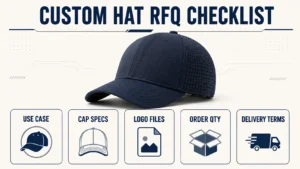
Your final pack needs the purchase order, current tech pack, bill of materials, and approved sample ID. Add color references, logo and tool versions, measurements, the change list, label files, pack plan, delivery details, and quality checklist. Ask design, sourcing, and quality to approve the parts they own.
For a reorder review, send JoinTop your style number, previous order reference, updated quantities, required date, and requested changes. We can confirm what remains the same, identify items that need a fresh approval, and keep the next production lot tied to one controlled product.

 English
  German
  Spanish
  French
  Amharic
  Portuguese
  Italian
  Swedish
  Turkish
  Belarusian
  Danish