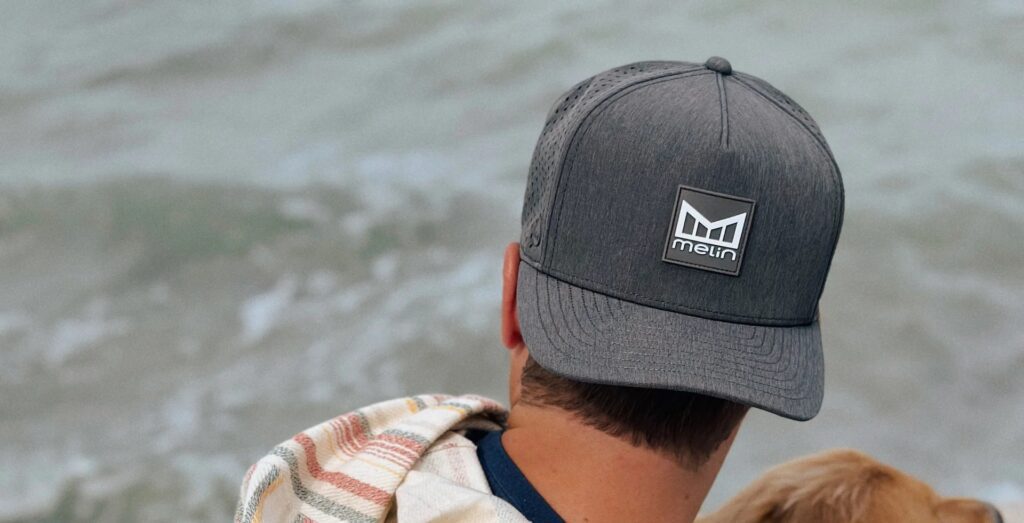
A custom performance hat has to do more than look good in a product photo. It needs to handle sun, sweat, travel, repeat wear, and picky customers. For brands, a premium hat is not just a cap. It is a small product with a big job.
Custom performance hats are premium caps made with technical fabrics, breathable construction, moisture-wicking comfort, lightweight structure, durable stitching, and brand-specific decoration. For brands, the right performance hat manufacturer should help with fabric selection, sampling, logo testing, OEM/ODM production, quality control, and scalable manufacturing from small test runs to larger bulk orders.
Planning a new performance hat line? JoinTop helps brands develop custom performance hats from sample to bulk production, with owned factories in China, Vietnam, and Bangladesh, and MOQ starting from 100 pcs.
What Makes a Custom Performance Hat Premium?
A premium performance hat is built for people who actually wear their hats.
Not just once. Not just for a product photo. Real wear.
Golf. Running. Hiking. Fishing. Travel. Beach retail. Outdoor events. Daily errands. Weekend tournaments. Long sunny afternoons where a bad hat gets judged very quickly.
A strong custom performance hat usually includes:
- Lightweight technical fabric
- Moisture-wicking comfort
- Breathable panels or ventilation
- Comfortable sweatband
- Stable but not overly stiff structure
- Clean stitching
- Logo decoration that matches the fabric
- Fit that customers actually enjoy wearing
That last part is bigger than it sounds.
A hat can have expensive fabric, a sharp logo, and a beautiful colorway. But if the fit feels wrong, customers will not write a detailed production report.
They will just stop wearing it.
That is why premium hat development is not about one feature. It is about how the whole product feels after real use.
For performance fabrics, moisture control can also be evaluated through recognized textile testing methods such as AATCC TM195, which measures liquid moisture management properties of textile fabrics.
Why Brands Are Choosing Custom Performance Hats
Performance hats used to feel very category-specific.
Golf brands made golf hats. Running brands made running hats. Outdoor brands made outdoor caps.
Now, the lines are more blended.
A customer might wear the same cap to the golf course, on a walk, at the airport, and while grabbing coffee. That is good news for brands because one well-developed custom performance hat can fit into multiple parts of a customer’s life.
Brands are investing in:
- Custom golf performance hats
- Lightweight running hats
- Outdoor performance caps
- Breathable 5-panel hats
- Performance rope hats
- Private label performance hats
- Wholesale performance hats for retail and promo programs
The reason is simple.
A basic cap says, “Here is our logo.”
A premium performance hat says, “Here is our brand, and yes, you can actually wear this all day.”
That difference can support higher retail prices, stronger product reviews, better repeat purchases, and a more serious brand image.
What Is the Difference Between a Premium Hat and a Basic Cap?
At first glance, many hats look similar.
Panels. Visor. Closure. Logo. Nothing too mysterious.
But once customers start wearing them, the difference shows up fast.
A basic cap often focuses on low cost and surface appearance. It may use standard cotton, simple polyester, basic stitching, and a common shape.
A premium performance hat has to answer more questions:
How does the fabric feel after two hours in the sun?
Does the sweatband stay comfortable?
Does the crown hold shape?
Does the logo sit cleanly on the material?
Does the hat feel too heavy?
Does the fit match the target customer?
Can the factory repeat the same quality in bulk?
That final question is where many brands get surprised.
A sample can be carefully made by one skilled worker. Bulk production is different. Bulk production needs systems, tolerances, inspection, and experience.
For a premium cap manufacturer, consistency is not a nice extra.
It is the job.
Best Fabrics for Custom Performance Hats
Fabric is where performance starts.
It affects weight, comfort, breathability, sweat control, structure, decoration method, and final retail feel.
A brand should not choose fabric only because it looks nice on a swatch. A swatch does not tell the whole story. The real test is how the fabric behaves after cutting, sewing, decorating, wearing, packing, and shipping.
Polyester Performance Fabric
Polyester is one of the most common materials for custom performance hats.
It is lightweight, durable, and works well with moisture-wicking finishes. It can also be developed in different textures, from smooth and technical to matte and more lifestyle-friendly.
Polyester works well for golf hats, running hats, outdoor caps, team programs, and private label performance caps.
For many brands, it offers a good balance between performance, cost, and production stability.
Nylon Fabric
Nylon often gives a more technical or outdoor feel.
It can be smooth, lightweight, and durable. Many travel, fishing, and outdoor-style hats use nylon because it has a clean performance look.
Nylon can work well for packable caps, outdoor performance hats, fishing hats, and lightweight lifestyle caps.
The key is testing. Some nylon fabrics look great in hand but behave differently during stitching or logo decoration.
Polyester-Spandex Blends
Spandex adds stretch, which can improve comfort.
This is useful for stretch-fit caps, activewear-inspired hats, and fitted performance styles. But stretch fabric needs careful handling.
If sewing tension is not controlled, the shape can shift. If the logo method is too heavy, the front panel can look uneven. These are small details, but in premium hat production, small details do not stay small for long.
Mesh and Ventilation Fabrics
Mesh improves airflow and gives the hat a sportier look.
It is common in trucker performance caps, side panels, back panels, and hot-weather styles.
Laser-cut or perforated ventilation can also give custom performance caps a cleaner technical look, especially for running hats, golf hats, and outdoor styles.
For brands that want to compare fabric breathability more technically, ASTM D737 is a standard test method for air permeability of textile fabrics.
But again, testing matters. Hole size, placement, edge stability, and stretch all affect the final result.
Sweatband Materials
The sweatband rarely gets the spotlight in product photos.
But customers feel it immediately.
A premium performance hat needs a sweatband that feels soft, manages moisture, and stays comfortable during long wear. A rough or bulky sweatband can ruin the whole experience.
A good performance hat manufacturer should help brands match fabric, sweatband, structure, and logo method before the product moves into bulk production.
Moisture-Wicking and Breathability Are Not Optional
For custom performance hats, moisture control and airflow are core features.
If a hat feels hot and wet after short wear, customers will not think, “Interesting textile challenge.”
They will think, “I do not like this hat.”
Moisture-wicking fabric helps move sweat away from the skin, keeping the hat feeling drier and more comfortable. This matters for golf, running, hiking, fishing, training, outdoor events, and summer lifestyle wear.
Customers may not use the phrase “moisture-wicking.” They usually say things like:
“This hat feels light.”
“It does not get gross.”
“I can wear it all day.”
That is the kind of feedback brands want.
For brands that want a more technical way to discuss moisture movement, liquid moisture management testing can help explain how textile fabrics handle moisture across fabric surfaces.
Breathability is just as important. A hat can use a good fabric, but if the construction traps heat, the wearer will notice quickly.
Brands can improve airflow through mesh panels, laser-cut holes, perforated side panels, lightweight crown construction, moisture-managing sweatbands, and lower-profile designs.
Airflow can be evaluated through fabric air permeability testing, including the ASTM D737 air permeability test method.
For warm-weather products, breathability is not a bonus. It is part of the product promise.
How Fit Affects Customer Reviews
Fit is one of the hardest things to explain and one of the easiest things to feel.
A customer may not know the crown height, panel shape, or visor angle. But they know when a hat feels wrong.
A premium performance hat should feel secure without being tight. It should sit naturally. It should not feel too deep, too shallow, too stiff, or too floppy.
Important fit details include crown depth, panel shape, visor curve, sweatband thickness, closure type, stretch level, front structure, and overall balance.
A structured golf hat may need a clean, stable front. A running hat may need a softer, lower-profile shape. A 5-panel performance hat may need a modern, casual fit.
None of these choices is automatically right or wrong.
The right choice depends on the customer.
That is why sample testing matters. A sample should be worn by real people. It should be adjusted, packed, worn outdoors, and checked after use.
Approving a hat only on a conference table is risky.
Hats do not live on conference tables.
Popular Custom Performance Hat Styles for Brands
Different brands need different hat styles. A good factory should help match the structure to the market.
Custom Golf Performance Hats
Golf performance hats usually need a clean shape, breathable fabric, and a polished finish.
They often use structured or semi-structured crowns, curved visors, moisture-wicking sweatbands, and premium logo details such as embroidery, silicone patches, woven patches, or heat transfer logos.
For golf brands, the hat should look sharp but still feel comfortable during long wear.
Lightweight Running Hats
Running hats need to be light, breathable, and secure.
They often use thin technical fabric, laser-cut ventilation, flexible visors, low-profile shapes, and lightweight decoration.
For running hats, extra weight is not your friend.
Outdoor Performance Caps
Outdoor hats need durability and practical comfort.
They may use nylon fabric, mesh panels, adjustable closures, water-resistant finishes, or packable construction.
Outdoor customers expect function. The hat needs to look good, but it also needs to survive real use.
5-Panel Performance Hats
5-panel hats are popular with running, outdoor, streetwear, and lifestyle brands.
They offer a clean shape and work well with lightweight fabrics, woven patches, heat transfer logos, and laser-cut details.
Performance Rope Hats
Rope hats are especially popular in golf and lifestyle markets.
When made with performance fabric, they can combine a classic look with better comfort and breathability.
Performance Trucker Caps
Performance trucker caps combine structure with airflow.
They are useful for outdoor, fishing, sports, and lifestyle brands that want a breathable cap with strong visual shape.
The best style depends on the brand’s market, price point, customer use case, and product story.
Logo Decoration for Premium Performance Hats
Logo decoration is one of the biggest parts of a hat’s identity.
It is also one of the easiest places to make a mistake.
A logo method that works beautifully on cotton may not work well on thin polyester. A heavy embroidery design may look premium on one hat and feel bulky on another.
Embroidery
Embroidery is classic and durable.
It works well on structured caps and many lifestyle hats. But for lightweight performance hats, heavy embroidery can create stiffness or fabric distortion.
Brands should test stitch density, backing, logo size, and placement before approving bulk production.
Heat Transfer Logo
Heat transfer gives a clean, smooth, modern look.
It is common on running hats, golf hats, and technical performance caps. It can be a good choice when brands want a light logo treatment.
Silicone Patch
Silicone patches give a premium technical feel.
They are popular for golf, outdoor, and lifestyle performance hats because they look modern, clean, and durable.
Woven Patch
Woven patches work well for detailed logos.
They can be lighter than embroidery and are often used for outdoor-inspired or casual performance caps.
Rubber Patch
Rubber patches create a bold and durable look.
They are common in outdoor, fishing, sports, and lifestyle categories.
Laser-Cut Logo or Ventilation
Laser-cut details can look very clean and technical.
But they need to be tested with the chosen fabric. Not every fabric handles cutting the same way.
The simple rule is this:
Choose the logo method with the fabric, not before the fabric.
A digital mockup can make anything look good. Production is where the real answer shows up.
How Sampling Works for Custom Performance Hats
Sampling is not just a formality.
It is where the brand finds out whether the idea actually works.
A strong sampling process usually includes design review, material selection, pattern development, logo testing, fit review, and a final pre-production sample.
During design review, the brand shares reference images, logo files, color ideas, target use, and style direction. At this stage, a good custom hat manufacturer should help identify risks early.
Maybe the fabric does not support the logo method. Maybe the crown shape does not match the intended fit. Maybe the decoration is too heavy for the material.
It is better to catch these issues before bulk production, not after the shipment is already on the water.
Material selection comes next. A running cap and a golf cap should not automatically use the same material package. The factory should help match fabric, sweatband, closure, and trims to the product goal.
Pattern and structure development shape the hat. This includes panel design, crown height, visor type, front structure, and fit.
Then comes logo testing. The logo should be tested on the final fabric, not just approved in a mockup.
Finally, the brand reviews fit, comfort, sizing, appearance, and finishing. Before bulk production, a pre-production sample should confirm the final standard.
For premium hats, skipping proper sampling is like skipping a test drive.
Technically possible. Not very smart.
Have a reference sample, sketch, or tech pack? Send it to JoinTop, and our team can help review fabric options, fit direction, logo method, and production feasibility before you move into bulk production.
What Is the MOQ for Custom Performance Hats?
MOQ is one of the first questions many brands ask.
And it should be.
For custom performance hats, JoinTop supports projects starting from 100 pcs MOQ. This helps brands test new designs, launch limited collections, or validate a product before scaling into larger orders.
A 100 pcs starting point can be useful for:
- New product testing
- Limited drops
- Golf tournament collections
- Small retail launches
- Private label samples
- Seasonal color testing
- Influencer or community programs
- First-time custom hat projects
That said, MOQ can depend on the hat style, fabric, logo method, label requirements, packaging, and production location.
For example, a simple performance cap with heat transfer logo may have a different production setup than a structured golf hat with a custom silicone patch and special packaging.
This is why brands should share project details early. The more information a factory has, the easier it is to suggest a realistic production path.
If you are looking for low MOQ custom hats, 100 pcs can be a practical way to start small without treating the product like an afterthought.
How Much Do Custom Performance Hats Cost?
The cost of custom performance hats depends on several factors.
There is no honest one-price-fits-all answer because the product details change the production cost.
The main cost factors include:
- Fabric type
- Hat structure
- Logo method
- Order quantity
- Sweatband material
- Closure type
- Labeling
- Packaging
- Sample requirements
- Production location
- Inspection standard
A lightweight running hat with laser-cut ventilation may have a different cost structure than a structured golf hat with a silicone patch. A private label performance hat with custom packaging may cost more than a simple wholesale performance cap.
Brands should also think beyond unit price.
A cheaper hat that does not fit well, arrives late, or fails logo testing can become expensive very quickly. Low cost is only useful when the product still meets the brand’s standard.
The better question is not only:
“How much does this hat cost?”
The better question is:
“Will this hat help customers trust our brand?”
For a practical quote, brands can share their target style, quantity, logo idea, fabric preference, packaging needs, and delivery timeline with JoinTop. Then our team can help review the best production direction.
Start Earlier Than You Think
Premium performance hats are not the kind of product brands should rush two weeks before launch.
Fabric selection takes time.
Logo testing takes time.
Fit adjustment takes time.
Pre-production samples take time.
Bulk production planning takes time.
This is especially true if the brand is testing a new fabric, new decoration method, or new hat shape.
The earlier a brand brings a manufacturer into the conversation, the easier it is to avoid expensive last-minute changes.
This matters for seasonal launches, golf events, wholesale programs, retail drops, and team projects. If the launch date is fixed, the development timeline should work backward from that date.
Last-minute production can still happen sometimes.
But “sometimes” is not a great business strategy.
Bulk Production Is Where Consistency Matters
A premium sample is great.
But bulk production is where the brand’s reputation is protected.
For custom performance hats, quality control should cover fabric consistency, measurement control, stitching quality, logo placement, shape retention, sweatband comfort, and packaging.
The fabric should match the approved sample in color, texture, weight, and stretch.
Crown height, visor length, head circumference, and panel shape should stay within agreed tolerance.
Stitching should be clean and even. Loose threads, uneven seams, and poor tension can make a premium hat feel cheap.
Logo position should stay consistent across the full order. A small shift may not seem like much, but on a clean premium hat, customers can notice.
The hat should also keep its intended shape after packing, shipping, and handling.
For brands, quality control is not only about avoiding defects. It protects reviews, wholesale relationships, customer trust, and future reorders.
That is why a premium hat manufacturer needs a clear inspection process before shipment.
How to Choose a Performance Hat Manufacturer
A good performance hat manufacturer should do more than quote a price.
Price matters, of course. Nobody is pretending it does not.
But for premium hats, the lowest price can become expensive if the product has fit issues, late delivery, weak stitching, color problems, or poor logo execution.
Brands should look for a custom hat manufacturer with experience in:
- Custom performance hats
- Premium cap manufacturing
- OEM hat production
- ODM cap development
- Private label hats
- Moisture-wicking hats
- Breathable performance caps
- Lightweight running hats
- Golf performance hats
- Logo decoration testing
- Bulk quality control
- B2B export communication
A strong factory should be able to answer practical questions.
Which fabric fits this use case?
Will this logo method work on this material?
Can this structure hold shape in bulk production?
What problems should we avoid before production starts?
Which production base makes the most sense for this project?
A basic supplier waits for instructions.
A better manufacturing partner helps improve the product before mistakes happen.
That is the difference brands should be looking for.
OEM vs ODM Performance Hat Manufacturing
Many brands search for terms like OEM hat manufacturer, ODM cap manufacturer, and private label performance hats.
These terms are connected, but they are not exactly the same.
OEM Hat Manufacturing
OEM means the brand provides the design, logo, specifications, and requirements. The factory produces according to those details.
This works well for brands that already have a clear tech pack.
ODM Hat Manufacturing
ODM means the factory helps with development.
This may include fabric suggestions, structure options, logo method recommendations, sample adjustments, and production advice.
ODM support is helpful when a brand has a clear direction but still needs manufacturing expertise.
Private Label Performance Hats
Private label hats are made under the brand’s own name.
Brands can customize fabric, color, logo, labels, packaging, closures, and hangtags.
For performance hats, private label development should still go through proper testing. A logo alone does not make the product premium. The hat itself has to earn that label.
JoinTop supports OEM and ODM cap production for brands that need development support, private label production, or scalable bulk manufacturing.
China, Vietnam, or Bangladesh: Which Production Base Works Best?
Production location can affect cost, lead time, flexibility, and capacity.
There is no one-size-fits-all answer.
China is often strong for product development, technical sampling, material sourcing, and complex custom details. For brands building a new premium performance hat, China can be useful during the development stage.
Vietnam can be a strong option for stable production and supply chain flexibility. It may work well for certain performance hat programs depending on quantity, structure, and material requirements.
Bangladesh can support scalable production and cost-sensitive programs depending on the product type. It may be useful for larger private label or wholesale performance hat programs.
JoinTop has owned factories in China, Vietnam, and Bangladesh. That gives brands more flexibility when planning custom performance hat development and bulk production.
For example, a brand may need more technical support during sampling, then choose the best production location based on timeline, cost, quantity, and product complexity.
The right choice depends on the project, not just the country name.
What Brands Should Prepare Before Requesting a Quote
Brands do not need to know every technical detail before contacting a factory.
But the more useful information they share, the faster a manufacturer can recommend the right solution.
Before requesting a quote for custom performance hats, prepare:
- Target hat style
- Intended use, such as golf, running, outdoor, fishing, surf, apparel, or pickleball
- Reference images
- Logo file
- Preferred logo method
- Fabric preference
- Color requirements
- Quantity estimate
- Target retail price
- Packaging needs
- Labeling requirements
- Delivery timeline
- Current sample or tech pack, if available
JoinTop’s MOQ starts from 100 pcs, which can work well for brands testing new styles, building limited collections, or preparing a first custom performance hat program.
With these details, JoinTop can help review fabric options, structure, decoration method, sample direction, production base, and development risks before bulk production starts.
Good development is a conversation, not a guessing game.
Common Mistakes Brands Should Avoid
Premium hat development can go wrong in small ways.
Here are the mistakes brands should watch for.
Choosing Fabric Only Because It Looks Good
A fabric can look premium and still feel too hot, too stiff, or too unstable.
Brands should test how the fabric performs, not just how it looks.
Picking the Logo Method Too Soon
Logo decoration should match the fabric and structure.
Heavy embroidery on a thin performance fabric can create problems. Heat transfer may look clean, but it still needs durability testing.
Ignoring Fit
Bad fit is hard to forgive.
Customers may like the logo. They may like the color. But if the hat feels wrong, they will not wear it.
Skipping Real Wear Testing
A sample should be worn outside.
It should be adjusted, packed, sweated in, and checked after use. That is how brands learn what customers will actually experience.
Comparing Factories Only by Unit Price
A low unit price may look good on a spreadsheet.
But poor quality, late delivery, unstable sizing, or failed logo work can cost much more later.
Not Preparing a Clear Tech Pack
A good tech pack reduces confusion.
It should include measurements, fabric details, logo files, Pantone colors, closure type, label details, packaging, and quality requirements.
Clear input usually leads to better output.
That rule applies to hats, production, and ordering lunch for a team of ten.
How JoinTop Supports Custom Performance Hat Production
For brands building premium performance hats, the factory relationship matters.
The right partner should not only ask, “How many pieces do you need?”
It should ask better questions.
What is the hat used for?
Who is wearing it?
Is this for golf, running, outdoor, fishing, surf, apparel, pickleball, or promotional use?
What kind of fit does your customer expect?
Should the logo be embroidered, heat transferred, patched, or laser-cut?
Do you need a small test run first, or are you planning for larger wholesale production?
JoinTop works with B2B brands across golf, running, outdoor, fishing, surf and beach retail, apparel, team sports, pickleball, and promotional cap programs.
With owned factories in China, Vietnam, and Bangladesh, JoinTop can support different production needs, from sample development to bulk manufacturing. This gives brands more flexibility when planning product launches, testing new styles, or scaling successful designs.
JoinTop’s support includes:
- MOQ starting from 100 pcs
- Custom performance hat development
- OEM and ODM cap manufacturing
- Private label hat production
- Performance fabric sourcing
- Sample development
- Fit adjustment
- Logo decoration testing
- Bulk production
- Quality inspection
- Multi-country production planning
The goal is not just to make hats.
The goal is to help brands build hats that feel right, perform well, match the customer’s lifestyle, and stay consistent when orders grow.
For a serious hat brand, that kind of support can make a big difference.
Are Premium Performance Hats Worth the Higher Cost?
Premium performance hats usually cost more than basic caps.
That is not a surprise.
Better fabric costs more. Better construction takes more care. Logo testing, sampling, quality control, and stable production all require more work.
But for brands, the better question is not:
“How cheap can we make this hat?”
The better question is:
“Will this hat make customers trust our brand?”
A well-developed premium performance hat can support higher retail pricing, better customer reviews, stronger brand positioning, repeat purchases, better wholesale opportunities, more successful product launches, and long-term collection development.
When done correctly, a premium hat is not just another product cost.
It is part of the brand’s reputation.
FAQ: Custom Performance Hats for Brands
What is the MOQ for custom performance hats?
JoinTop’s MOQ for custom performance hats starts from 100 pcs. This helps brands test new designs, launch limited collections, or validate a product before scaling into larger bulk production.
How much do custom performance hats cost?
The cost depends on fabric, structure, logo method, quantity, packaging, labeling, and production location. Brands can share project details with JoinTop for a more practical quote.
How long does it take to make custom performance hats?
The timeline depends on sample development, fabric selection, logo testing, revisions, production quantity, and shipping plan. Premium performance hats should allow enough time for proper sampling before bulk production.
How do I choose a performance hat manufacturer?
Look for experience with technical fabrics, sample development, logo testing, OEM/ODM production, private label hats, bulk quality control, and clear B2B communication.
Can I create private label performance hats?
Yes. Brands can create private label performance hats with custom fabric, color, logo, labels, packaging, closure, hangtags, and other brand details.
What is the best fabric for custom performance hats?
Polyester, nylon, polyester-spandex blends, mesh, and perforated technical fabrics are common choices. The best fabric depends on the hat’s use, such as golf, running, outdoor, fishing, travel, or lifestyle wear.
What logo method works best for premium performance hats?
It depends on the fabric and style. Embroidery, heat transfer, silicone patches, woven patches, rubber patches, and laser-cut logos can all work when tested properly.
What is the difference between OEM and ODM hat manufacturing?
OEM means the brand provides the design and the factory produces it. ODM means the factory helps develop or improve the design based on production experience.
Can JoinTop support production in China, Vietnam, and Bangladesh?
Yes. JoinTop has owned factories in China, Vietnam, and Bangladesh, giving brands more flexibility for development, bulk production, and scalable custom hat programs.
Can I start with 100 pcs before placing a larger order?
Yes. Starting with 100 pcs can be a practical way to test fit, fabric, logo decoration, color, packaging, and customer response before moving into larger production.
A Premium Hat Has to Earn Its Place
A premium performance hat is not just a cap with a nicer logo.
It has to feel good.
It has to breathe.
It has to handle sweat.
It has to fit well.
It has to hold shape.
It has to represent the brand every time a customer wears it.
That does not happen by accident.
It comes from the right materials, smart development, careful sampling, proper logo testing, stable production, and a manufacturer that understands performance hats.
For hat brands, choosing the right premium hat manufacturer is not just a sourcing decision. It is part of the product strategy.
A strong factory partner can help turn an idea into a sample, a sample into production, and production into hats customers actually want to wear again.
If your brand is planning a new premium performance hat line, the best time to involve a manufacturer is before small design choices become big production problems.
Share your hat style, target use, logo idea, quantity, and launch timeline with JoinTop. Our team can help you review the right fabric, fit, decoration method, sample direction, and production plan.
That is when a premium hat truly performs.



 English
  German
  Spanish
  French
  Amharic
  Portuguese
  Italian
  Swedish
  Turkish
  Belarusian
  Danish