For a brand ordering custom hats, quality has to survive more than a product photo. The approved pattern, five-panel or six-panel construction, logo treatment, measurements, and bulk inspection record should all describe the same cap. This article lays out the checks a procurement or product team can use before releasing a laser-perforated Performance Cap or another custom program.
A supplier review is useful only when it leaves a reference that the next sample can be measured against. That reference should cover the front panel, crown height, brim, ventilation, seams, branding, and colorways, so the factory and buyer are working from the same version through sampling, bulk production, and reorders.
What high quality custom hats mean in a B2B program
In a B2B program, “high quality” means the product can be specified, approved, inspected, and repeated. A cap may feel good in a single photograph and still fail when the size set, color range, or second production lot is reviewed. Quality therefore has two parts:
- The physical result: the cap has the intended shape, fit, fabric hand, stitching, brim, and logo execution.
- The control system: the approved sample, measurements, artwork, tolerances, and inspection points are recorded so another lot can be compared with them.
The first part is visible. The second part is what protects a buyer’s margin and launch date. When a supplier cannot explain which version is approved, how the logo is positioned, or what happens when a measurement falls outside the agreed range, the buyer is carrying the production risk.
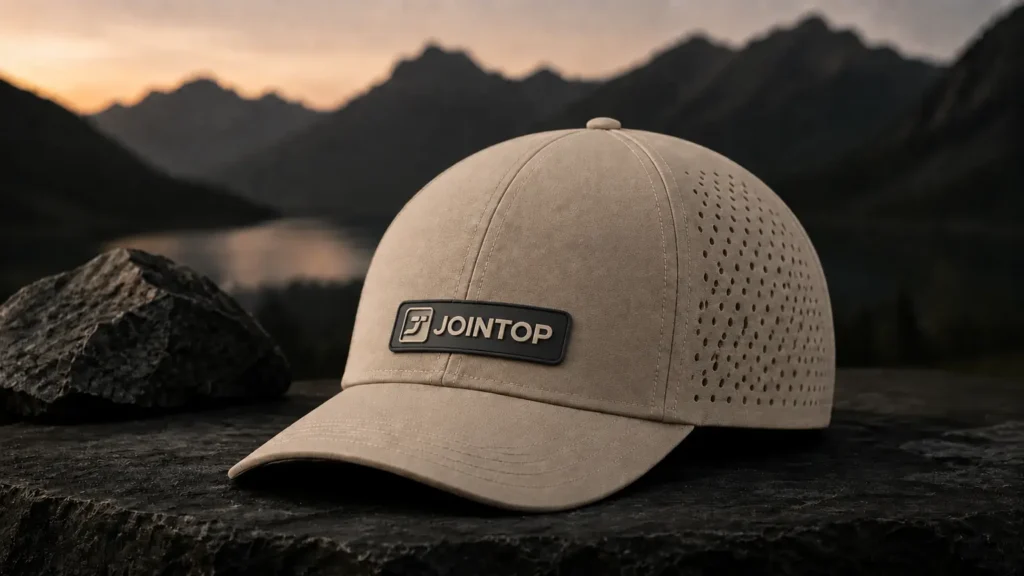
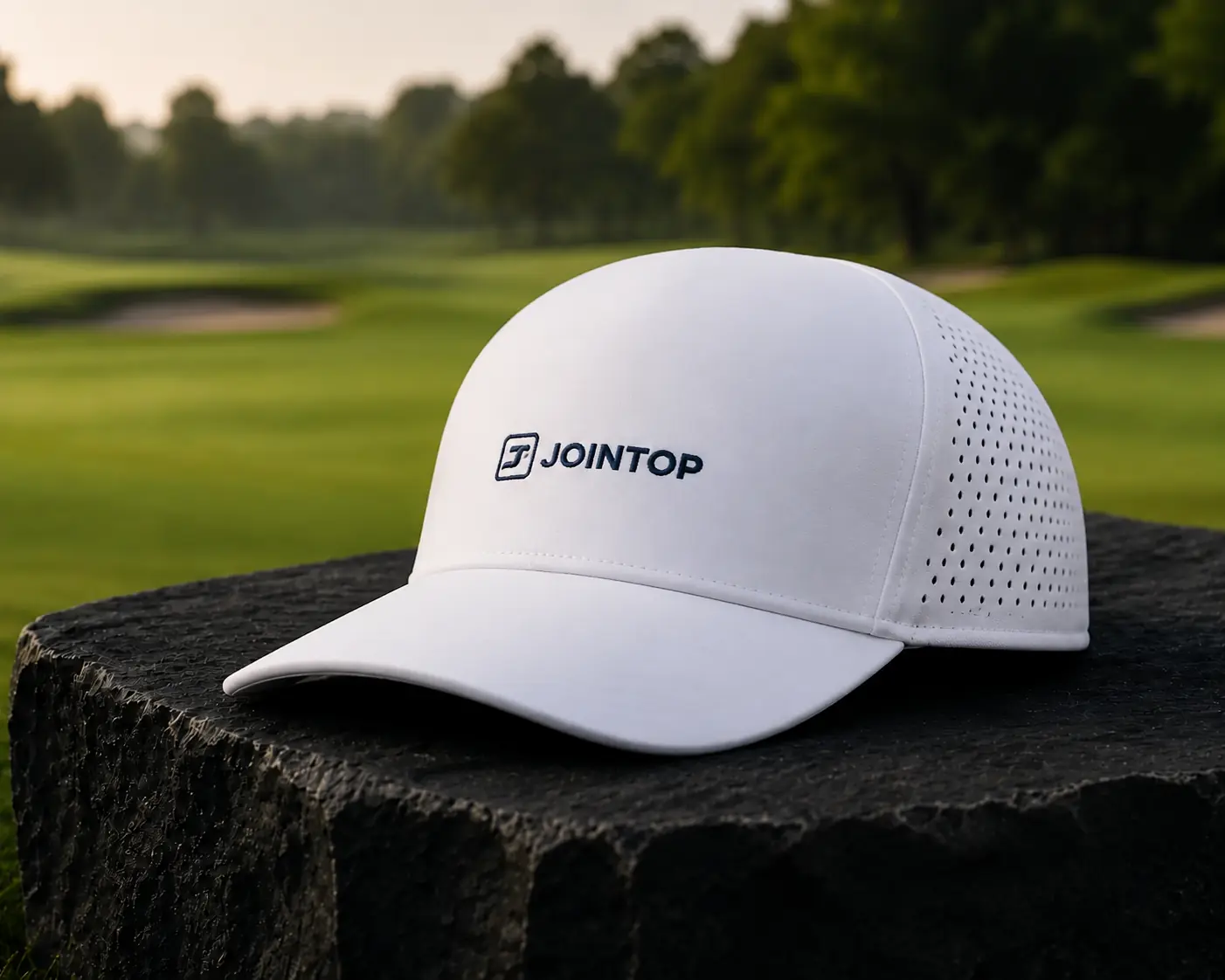
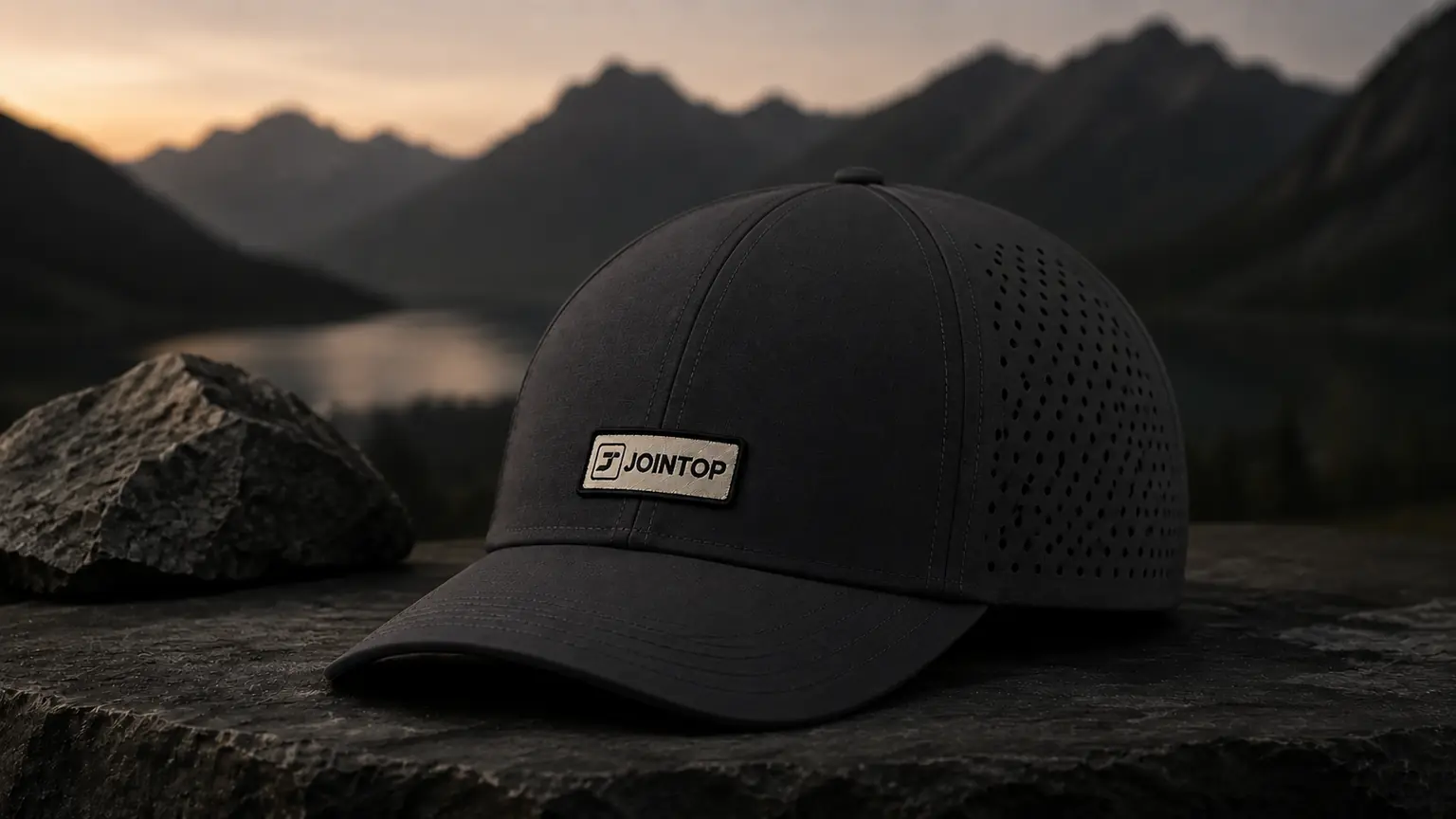
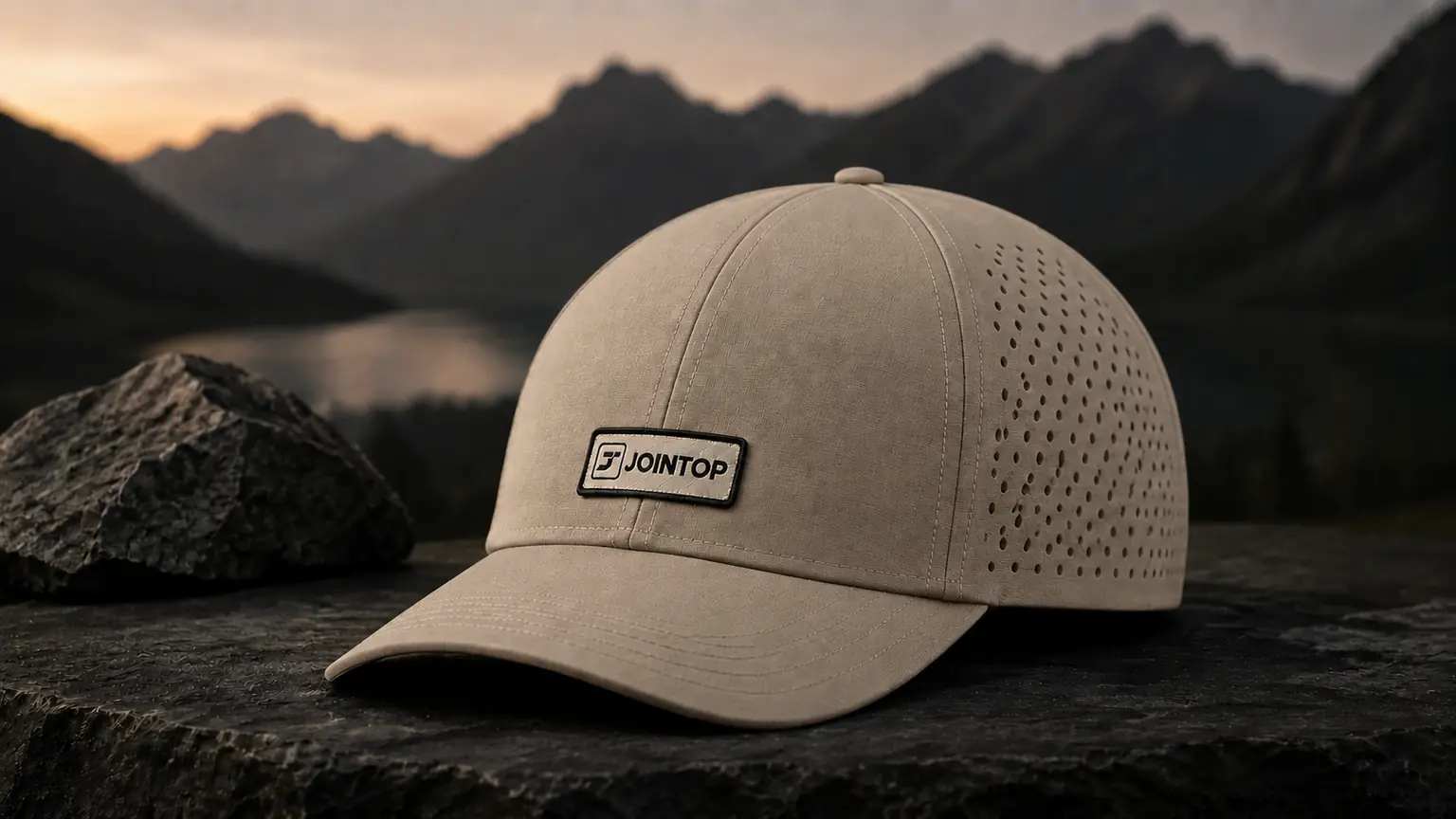
For an active or outdoor collection, a five-panel Performance Cap can be a useful route because its front panel provides a clean branding area while the side and rear panels can carry laser perforations. That is a product choice, not a universal quality claim. The factory still needs to confirm the actual fabric, construction, and performance requirements for the project.
Choose the five-panel or six-panel platform before approving details
Panel count changes the front shape, seam layout, logo area, and the way the cap sits on the head. Decide the platform before digitizing artwork or approving a bulk quote.
| Construction | Useful when | What the buyer should lock | Common risk if left vague |
|---|---|---|---|
| Five-panel cap | A broad, uninterrupted front panel and a technical, low-to-mid crown are priorities | Front-panel shape, side-panel ventilation, brim curve, crown height, and seam positions | The factory substitutes a different front shape or moves perforations into the branding area |
| Six-panel cap | A more traditional baseball-cap look, segmented crown, or center-seam reference is required | Center seam, panel symmetry, crown profile, brim attachment, and embroidery clearance | The center seam changes the logo area or the crown looks different across sizes |
Neither platform is automatically better. A Performance Cap brief should state the panel count, front-panel construction, crown profile, brim curve, ventilation zones, closure, and logo location. If the buyer wants a six-panel cap, the front center seam must be part of the approved construction. If the buyer wants a five-panel cap, the front panel should remain one continuous piece unless the tech pack says otherwise.
Nine factory evidence checks before a bulk release
Use evidence that a buyer can compare, not adjectives such as “premium” or “best quality.” The following checks form a practical pre-production review.
1. Pattern and panel map
Ask for a panel drawing or tech-pack page that identifies the five-panel or six-panel layout. It should show the front, side, rear, brim, closure, and ventilation zones. This prevents a verbal description from being interpreted differently by the sample room and the sewing line.
2. Crown profile and brim shape
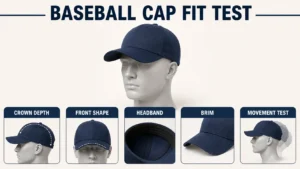
Review the cap on a head form or a consistent measuring form. Record the crown height, front angle, brim length, and curve. A sample that is photographed from one angle can hide a crown that is too tall or a brim that twists.
3. Measurement set
Measure the finished sample at the same points that will be used in bulk inspection. For an adjustable cap, include the closed and open range. For a fitted program, record each size. Do not treat a measurement as a pass or fail until the buyer and factory agree on the target and acceptable tolerance.
4. Fabric and trim approval
Record the fabric reference, weight or hand requirement when known, lining or sweatband choice, closure, thread, eyelets, and brim material. If a technical fabric is intended to dry quickly or feel light, describe the requirement and the verification method instead of promising a result that has not been tested.
5. Logo file and placement map
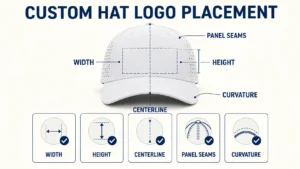
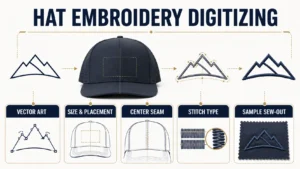
The artwork file should be linked to a placement drawing. Identify the horizontal centerline, distance from the seam or brim, maximum width and height, and any curvature limits. A logo that fits the front panel on a five-panel cap may not fit the same way on a six-panel cap with a center seam.
6. Sew-out or decoration sample
Approve the actual decoration on the intended fabric, not only a digital mock-up. Check thread color, edge definition, registration, backing, puckering, and the way the artwork follows the panel curve. A small change in scale can affect legibility and stitch coverage.
7. Colorway and lot reference
Approve each material and color combination that matters to the collection. A dark logo on one fabric can look different from the same thread on a lighter or textured fabric. Keep a signed or otherwise traceable reference so a reorder is not based on memory.
8. Inspection plan
The factory and buyer should agree which defects are critical to the product’s function or brand presentation, which measurements are checked, how samples are selected, and how issues are escalated. The plan can be simple. It must be specific enough that two people inspect the same point in the same way.
9. Version and change record
Keep the approved sample number, artwork version, material reference, and date together. If the buyer changes the brim, thread, panel fabric, or logo after approval, record the change and request a new confirmation sample when the change can affect fit or appearance.
How to review a sample without relying on a product photo
Review the sample in a fixed order. Start with the panel construction and overall silhouette. Then check the crown, brim, closure, sweatband, ventilation, logo position, and interior finishing. Finally, measure the cap and compare it with the brief.
Use the same lighting and viewing distance for color comparisons. Photograph the front, both sides, rear, top, interior, and logo area. A photo is useful evidence, but it does not replace a physical measurement or a live fit check. If the cap is intended for golf, running, or outdoor use, the buyer should also state the movement, climate, and coverage expectations that the sample must support.
For a hypothetical example, a brand may approve a five-panel Performance Cap with a solid front panel, perforated side and rear panels, a curved brim, and a small embroidered mark. The example is not a customer case. The release record would still need the approved fabric, logo file, placement map, measurement sheet, and color references before bulk production.
After the main quality decisions are clear, a buyer can request a Performance Cap manufacturing review with the cap brief, artwork, quantity by style and color, target market, and required delivery date. The useful next step is a manufacturability review, not a generic request for a price.
Bulk release and reorder controls
Bulk quality depends on what the team freezes before production starts. The approved sample should be the physical reference, while the tech pack and inspection sheet explain what must be measured or checked. For multi-color collections, list each colorway and identify which details are shared and which are unique.
JoinTop’s current working guidance is 100 pieces per style and color. Sampling is usually 7–14 days, and bulk production is commonly 35–45 days after sample confirmation, excluding design changes, buyer approval delays, sample transportation, and international logistics. These are planning ranges, not unconditional guarantees; the project brief and material availability still control the final schedule.
Before shipment, compare bulk samples with the approved reference. Check panel symmetry, crown and brim shape, logo placement, thread and fabric color, ventilation position, closure function, measurements, labels, packaging, and visible defects. Keep the inspection record with the purchase order so a later reorder can be compared with the same baseline.
For more detail on repeat production, use the custom hat reorder checklist. For a broader quality workflow, the custom hat quality checklist can sit alongside the project-specific inspection plan.
What to send when requesting a factory review
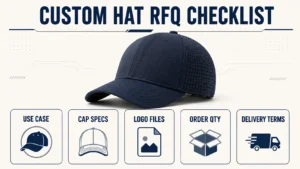
A qualified inquiry does not need a perfect tech pack, but it should give the factory enough information to identify the next decision. Include:
- Company name or website and the product line or market position.
- Five-panel or six-panel preference, cap use case, and target wearer.
- Each style and color quantity, plus an expected reorder pattern if known.
- Logo files, reference images, or a sketch showing the intended placement.
- Fabric, ventilation, brim, closure, label, packaging, or testing requirements.
- Destination market and requested delivery date.
If the design is still open, say which elements are fixed and which can change. That lets the manufacturer separate a quote-ready brief from a product-development discussion.
FAQ
Are five-panel or six-panel caps higher quality?
Neither panel count guarantees quality. Five-panel caps can provide a continuous front branding area, while six-panel caps can provide a traditional segmented baseball-cap profile. The right choice depends on the approved fit, logo, ventilation, and use case.
What should a supplier show before bulk production?
Ask for the approved construction, measurement points, material and trim references, logo placement, decoration sample or sew-out, colorway references, inspection plan, and version record. The exact evidence should match the product and the risk of the program.
Can a Performance Cap use embroidery?
Yes, when the front panel, backing, stitch coverage, placement, and curvature are reviewed together. The factory should approve the decoration on the intended fabric rather than relying only on a digital rendering.
When should a brand discuss MOQ and timing?
Discuss them during the initial brief because panel count, fabric, decoration, color count, and sample revisions can affect the plan. JoinTop commonly works from 100 pieces per style and color, with the working sample and bulk ranges stated above.

 English
  German
  Spanish
  French
  Amharic
  Portuguese
  Italian
  Swedish
  Turkish
  Belarusian
  Danish