
Nobody launches a hat brand hoping it looks “fine.”
You want a hat people actually wear. A hat that feels right, holds its shape, makes the logo look sharp, and gives your customer that small “yeah, this works” moment in the mirror.
But between the first sketch and the finished bulk order, there are a lot of decisions that can make or break the final product: crown height, panel structure, fabric, logo method, MOQ, sample approval, color matching, lead time, and quality inspection.
This guide breaks down the custom hat production process in plain English, so your brand can avoid expensive sampling mistakes and build hats that are ready for retail, merch drops, events, or long-term product lines.
1. Start With the Hat Structure Before the Logo
Most brands start backwards.
They design a logo first, then try to force that logo onto a hat. That often leads to awkward placement, poor embroidery results, and extra sample revisions.
A better approach is simple: choose the hat body first, then design the logo placement around it.
A logo that looks strong on a structured 6-panel snapback may look too large on a low-profile dad hat. A logo that works on a flat front panel may not work well across a center seam. The hat is not a blank canvas. It has shape, curves, seams, and limits.
Before sending artwork to a factory, confirm these three things:
- Hat style: dad hat, trucker cap, snapback, fitted cap, 5-panel cap, bucket hat, rope hat, or performance cap.
- Crown type: structured for a firm retail look, or unstructured for a softer casual fit.
- Closure type: snapback, strapback, fitted, Velcro, buckle, or stretch fit.
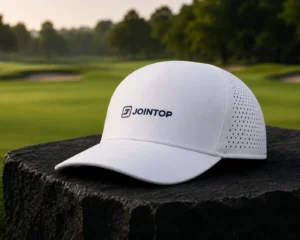
A simple tip: place your logo mockup on a real hat photo, not only on a flat design file. This helps you see whether the logo size, angle, and placement make sense before sampling.
2. Choose the Right Hat Style, Fabric, and Color
Every custom hat is shaped by three major choices: style, fabric, and color. Change one, and your price, MOQ, lead time, and logo options may also change.
Common Custom Hat Styles
| Hat Style | Best For | What to Watch |
|---|---|---|
| 6-Panel Structured Cap | Sports, retail, corporate, premium brands | More seams to align during embroidery |
| 5-Panel Cap | Streetwear, skate, outdoor, minimalist brands | Front seam may affect logo placement |
| Dad Hat | Lifestyle, casual, DTC brands | Softer shape, less shelf structure |
| Trucker Cap | Outdoor, golf, promo, fishing, lifestyle brands | Mesh back limits some rear branding options |
| Rope Hat | Golf, coastal, outdoor, resort, lifestyle brands | Rope detail may increase cost and MOQ |
| Bucket Hat | Festival, fashion, streetwear, seasonal drops | Different production process and lead time |
| Performance Cap | Golf, running, outdoor, sportswear brands | Fabric and technical details affect pricing |
Fabric Options
Fabric affects how the hat feels, how it performs, and how well your logo decoration holds up.
Cotton twill is a safe starting point for many brands. It is familiar, comfortable, and works well with embroidery. Brushed cotton twill is especially popular for dad hats and casual retail caps.
Performance polyester or poly-spandex blends are better for golf, running, training, and outdoor hats. These fabrics can support moisture-wicking, quick-dry, stretch, lightweight, breathable, or water-resistant features. They usually cost more than basic cotton, but they also support a higher retail price.
Corduroy and washed canvas are strong options for lifestyle and vintage-style collections. They add texture and shelf appeal, but embroidery must be kept simple because ribbed or washed surfaces can affect logo clarity.
Recycled polyester and organic cotton can support a sustainability story, but certifications should be verified before using sustainability claims on hangtags, packaging, or product pages.
Color Planning
New brands often want too many colors in the first order. That can raise costs and split inventory too thin.
A better first run usually includes:
- One dark color, such as black, navy, or charcoal
- One neutral color, such as cream, sand, khaki, or gray
- One brand color or seasonal accent color
Fewer SKUs usually means higher quantity per color, better fabric efficiency, and lower per-unit cost.
3. Pick the Right Logo and Decoration Method
A hat gets only a few seconds of attention on a shelf, in a social feed, or on someone’s head. Your logo needs to be readable fast.
The decoration method is a key part of that.
Embroidery
Embroidery is still one of the most common and premium-looking logo methods for custom hats. It adds texture, lasts well, and works across many styles.
Flat embroidery is clean, precise, and safe for most first orders. It works well for logos with moderate detail.
3D puff embroidery gives a raised look and is popular on snapbacks and streetwear caps. It works best with bold letters and simple shapes. It is not ideal for thin lines, small text, or detailed artwork.
Tonal embroidery uses thread close to the hat color. It creates a quiet premium look, but it needs good lighting in product photos so the logo remains visible.
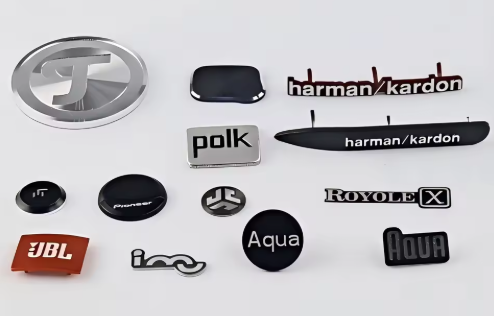
Patches
Patches are useful when your logo has fine details, multiple colors, or a shape that embroidery cannot reproduce cleanly.
Common patch options include:
- Woven patches: good for small text and detailed logos
- Leather or faux leather patches: good for premium lifestyle hats
- PVC or rubber patches: good for waterproof, outdoor, fishing, and golf styles
- Chenille patches: good for varsity, streetwear, and bold fashion looks
Side and Back Branding
The front logo gets the most attention, but side and back details can make the hat feel more complete.
Small side embroidery, a back logo, a woven label, an under-brim print, or custom seam tape can add perceived value without changing the entire hat structure.
4. Understand MOQ, Pricing, and Lead Time
MOQ, price, and lead time depend on how customized your hat is. A simple logo order is very different from a full cut-and-sew custom cap.
Typical MOQ Ranges
| Customization Level | Typical MOQ | What It Means |
|---|---|---|
| Stock blank hat + logo | 50–100 pcs | A ready-made blank hat with your logo added |
| Custom fabric + standard style | 200–500 pcs | You choose fabric, color, and decoration based on existing patterns |
| Full custom cut-and-sew hat | 500–1,000+ pcs | The hat is developed from scratch with custom panels, fabric, trims, and details |
If your brand is testing a new design, a low MOQ option can reduce risk. You can use stock blanks or semi-custom styles first, then move into full custom production after confirming market demand.
For lower quantity testing, you can also review JoinTop’s low MOQ custom hat options.
What Affects the Price
A custom hat from a professional factory is usually priced based on several factors:
- Fabric type and grade
- Logo method and stitch count
- Patch material
- Number of colors
- Custom trims, labels, sweatbands, and packaging
- Order quantity
- Production country
- Shipping method
Standard cotton hats usually sit at the lower end. Technical performance caps, waterproof fabrics, custom patches, special trims, or retail-ready packaging will raise the cost.
For water-resistant or outdoor-focused hats, technical details such as DWR coating may also affect cost and testing requirements.
Realistic Lead Time
A first custom hat order usually takes longer than brands expect. A realistic timeline may look like this:
| Step | Time Needed | What Happens |
|---|---|---|
| Artwork and tech pack preparation | 3–7 days | Finalize logo, colors, fabric, sizing, and details |
| Pre-production sample | 10–18 days | Factory makes sample units |
| Sample review and revisions | 5–10 days | You review, test, and approve or revise |
| Bulk production | 20–35 days | Factory produces the full order |
| Quality inspection | 2–3 days | In-house or third-party inspection |
| Sea shipping | 18–30 days | Shipment moves from port to warehouse |
For many first orders, the full timeline is around 8–14 weeks from first discussion to delivery.
Air freight is faster, but it can significantly increase logistics cost. It is useful for urgent launches, small test orders, or missed retail deadlines.
5. Use a Pre-Order Checklist Before Paying the Deposit
Before signing a PO or paying a deposit, go through this checklist.
- Have you approved a physical sample?
Photos are not enough. You need to hold the hat, wear it, check the fit, and review the logo in real life. - Is the logo centered and aligned with the seams?
Off-center embroidery is one of the most common quality complaints in custom hats. - Is the sweatband comfortable?
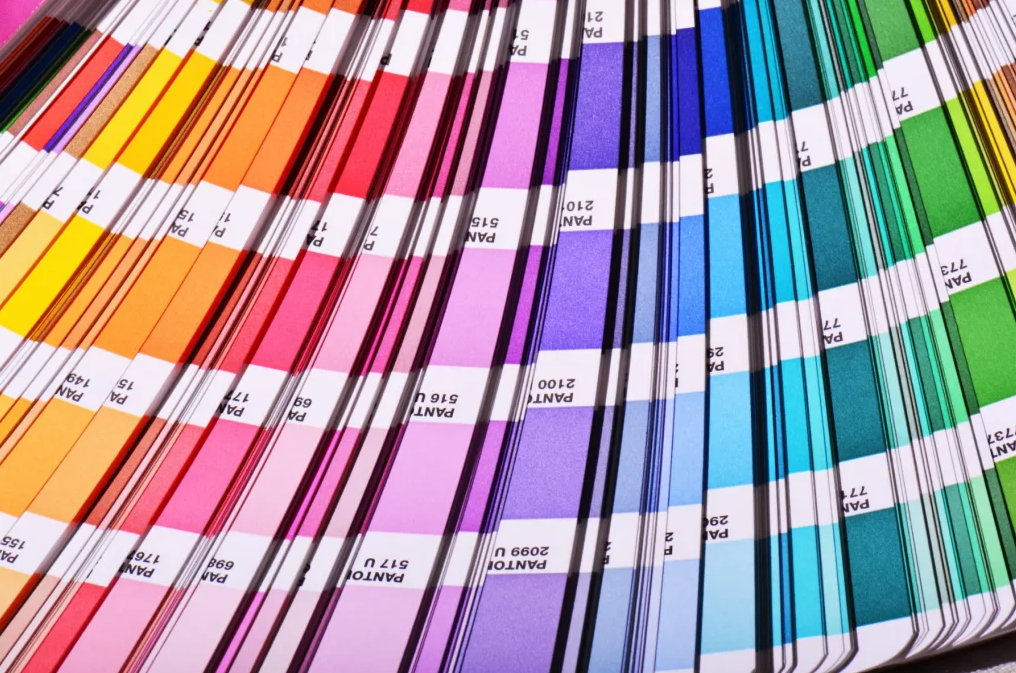
A hat can look great but still fail if the sweatband feels stiff, rough, or too tight. - Have you confirmed Pantone color codes?
Words like “navy,” “cream,” and “olive” can mean different things to different suppliers. Pantone codes reduce confusion. - Does the closure work smoothly?
Test snapbacks, buckles, straps, and Velcro several times before approval. - Is the production timeline confirmed in writing?
Ask for clear dates for sample completion, production start, production finish, inspection, and shipment. - Do you know the exact FOB port and Incoterms?
FOB Shanghai, FOB Ho Chi Minh, and FOB Chittagong can create different shipping costs and timelines. - Have you agreed on an AQL standard?
AQL inspection helps define acceptable and unacceptable defect levels before shipment. - Is the packaging confirmed?
Polybag, hangtag, barcode, sticker, inner box, master carton, and retail packaging should all be confirmed before bulk production. - Do you have a plan for receiving the order?
Plan warehouse receiving, spot-check inspection, product photography, product listings, launch emails, and fulfillment before the goods arrive.
6. How to Build a Hat That Feels Ready for Retail
A good custom hat is not only about logo placement. It should feel like a finished product from every angle.
Before approving bulk production, check these details:
- Crown shape from front and side view
- Brim curve or flatness
- Stitching consistency
- Logo size and placement
- Thread color match
- Sweatband comfort
- Label and tag placement
- Closure strength
- Packaging quality
- Fit across different head sizes
For retail brands, these small details matter because customers judge the whole product, not only the logo.
7. Where the Best Custom Hats Actually Come From
The best custom hats do not always come from one single production line.
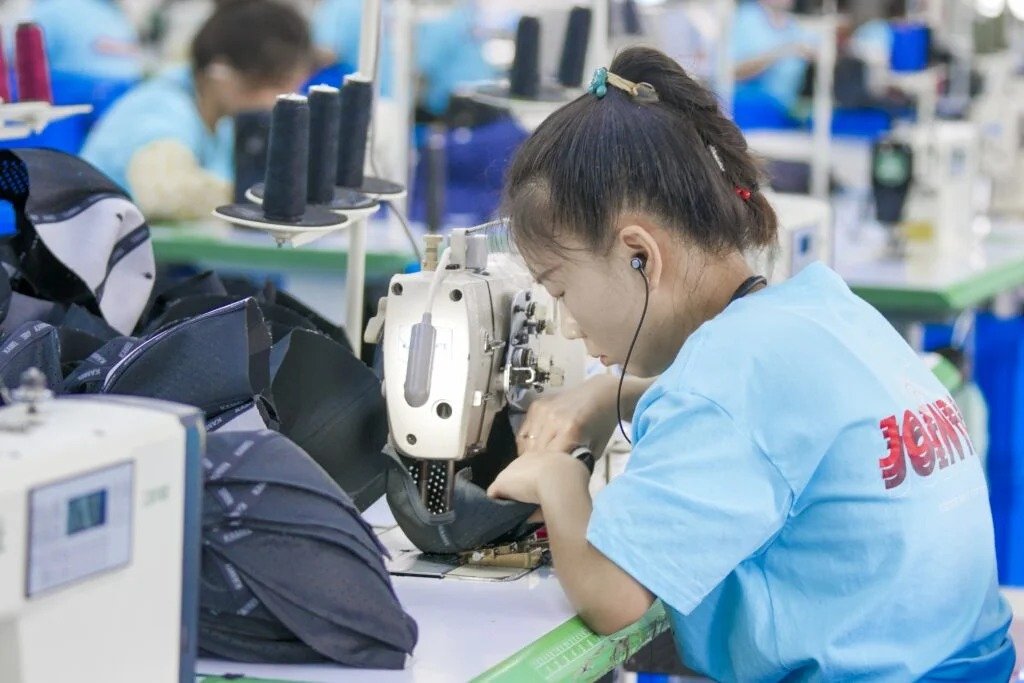
Different hat categories need different production strengths. Structured caps need accurate cutting and panel control. Performance hats need technical fabric knowledge. Knit hats need different machinery. Bucket hats and rope hats may require separate production experience.
This is why multi-location production can be useful for growing brands.
JoinTop works with production bases across China, Vietnam, and Bangladesh. This gives brands more flexibility when choosing the right production line for different styles, materials, order quantities, and delivery needs.
For example:
- China production can support detailed structured caps, embroidery, and complex development.
- Vietnam production can support performance and lifestyle headwear with stable volume output.
- Bangladesh production can support labor-intensive and seasonal categories.
For brands building a full headwear collection, this approach helps simplify sourcing. Instead of managing several suppliers for different styles, you can work with one team that understands design, sampling, production, quality control, and delivery.
8. When to Work With a Custom Hat Manufacturer
A custom hat manufacturer is a good fit when your brand needs more than a blank cap with a logo.
You may need a professional manufacturer if you want:
- Custom fabric selection
- Private label production
- OEM or ODM support
- Performance hat development
- Embroidery, patch, or mixed decoration options
- Low MOQ testing before scaling
- Consistent bulk production
- Quality inspection support
- Multi-country production options
- Help turning a design idea into a real product
If your brand is only testing a small merch idea, stock blanks may be enough. But if you want a product that can sit next to premium retail hats, you need stronger control over fit, material, structure, decoration, and quality.
Custom hats look simple from the outside, but small decisions can change the entire result.
The right hat style makes your logo look better. The right fabric improves comfort and retail value. The right MOQ helps you test without overcommitting. The right production plan helps you avoid delays, defects, and expensive surprises.
Before placing an order, slow down and confirm the basics: hat structure, fabric, color, logo method, MOQ, sample approval, inspection standard, packaging, and shipping terms.
That is how you move from “just another custom cap” to a hat your customers actually want to wear.
Ready to start your custom hat project? Contact JoinTop to discuss your design, MOQ, fabric options, logo method, sampling plan, and production timeline.

 English
  German
  Spanish
  French
  Amharic
  Portuguese
  Italian
  Swedish
  Turkish
  Belarusian
  Danish